-
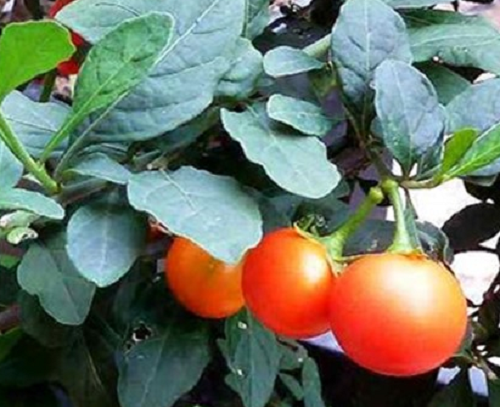
How to Grow and Care for Jerusalem Cherry (Winter Cherry)
1. Pot and soil. To grow Jerusalem cherry, choose a pot of appropriate size, and use loose, fertile, well-draining soil; in addition, you can add some humus fertilizer as a base fertilizer. 2. Light and temperature. Jerusalem cherry likes a warm, sunny growing environment, and it grows best at temperatures between 18-25 degrees
-

What are the care methods for the Japanese late cherry?
The Japanese late cherry is not heat-tolerant. In summer, if the temperature exceeds 35°C, we need to open both ends of the shed for ventilation. We can spray water outside the plastic shed, which both cools the temperature and avoids excessive watering that would make the vermiculite too wet. In summer, never expose it to direct sunlight! The above is about the difference between the Japanese early cherry and the late cherry
-
How to grow Prunus x cistena (purple-leaf sand cherry)? Growing methods and precautions
1. Light. Prunus x cistena likes sunlight. If the light is insufficient, its leaves will turn greenish, so if you want the leaves to be a bright purple-red, you should plant it in a place with plenty of light. 2. Soil. Prunus x cistena is not demanding about soil.
-
How to grow Japanese late cherry? A complete guide to care methods
Timing: Cuttings of Japanese late cherry can be taken from April to July, because this is the full bloom period of the cherry, when the survival rate of cuttings is highest, and the plant is in the peak of physiological activity, making rooting easy. Selection of cuttings: we generally cut 15 cm-long branches from robust mother trees.
-
What are the care precautions for Prunus x cistena (purple-leaf sand cherry)?
1. Winter care. Prunus x cistena has a certain degree of cold tolerance; mature plants only need their trunks whitewashed in winter. For saplings planted that same year, mounding soil around the roots or wrapping a ring of straw matting around the trunk can help Prunus x cistena get through the winter. For seedlings still developing
-
What are the common pests and diseases of the purple-leaf sand cherry?
1. Diseases. The common disease of the purple-leaf sand cherry is crown gall, a bacterial disease. Once infected, it causes the root stem mass of the purple-leaf sand cherry to overgrow into a gall-like shape, which is why it is called crown gall. This bacterium mainly spreads when watering trees, through rainwater and during the transport of seedlings, entering through tree wounds to cause disease.
-
What are the pest and disease control methods for Prunus x cistena (purple-leaf sand cherry)?
1. Disease control methods. A strict inspection system must be implemented, and inspections must be carried out before the transport of seedlings. Once crown gall disease is found, the trees must be destroyed immediately, and the site where the diseased trees were planted must be thoroughly disinfected with quicklime or bleaching powder and other agents. Within one week after disinfection, no new seedlings should be planted in that soil.
-
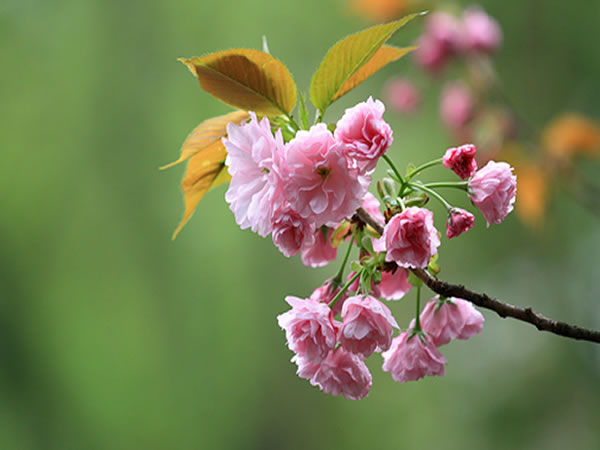
What are the common pests and diseases of Japanese late cherry?
Root nodule disease The site where root nodule disease occurs is on the ground or near the root crown close to the ground, thereby causing stunted plants and poor growth. When the disease occurs, root nodules of various shapes form on the roots of the plant, appearing brown, with rough epidermis often accompanied by cracking. Anthracnose In the early stage of anthracnose
-
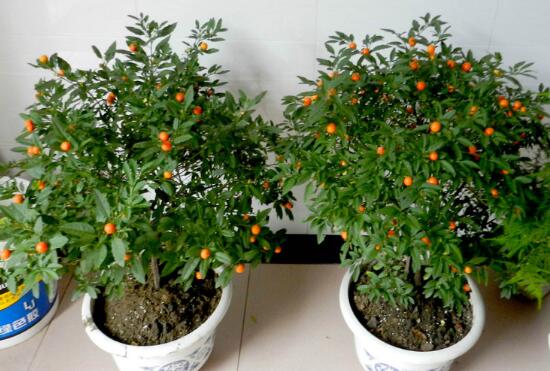
How to Propagate Jerusalem Cherry? Detailed Guide to Two Methods: Cuttings and Sowing
Jerusalem cherry, a very beautiful plant, is also known as the four-season berry because of its cute fruit that is present in all four seasons. Because Jerusalem cherry looks very attractive indoors, many people keep it at home. But is one pot of Jerusalem cherry too monotonous? It is time to propagate another pot. So how do you propagate Jerusalem cherry?
-
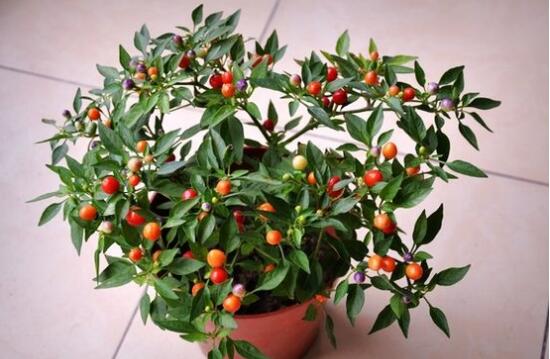
What to Do When Winter Cherry Gets Pests? Aphid and Anthracnose Control Methods
Winter cherry (Solanum pseudocapsicum), an indoor potted plant with excellent ornamental value, has strong adaptability and is very easy to grow at home, which is why it is so popular among flower enthusiasts. However, during the growing process, since most flower enthusiasts are beginners, improper care is very likely to occur, resulting in pests and diseases on the plant. So, what should you do when winter cherry gets pests?
条件筛选