-

-

Cherry Trees in Xin'an, Henan Become Money Trees for Farmers
Xin'an, Henan: Cherry Trees Become Farmers' "Money Trees"
-
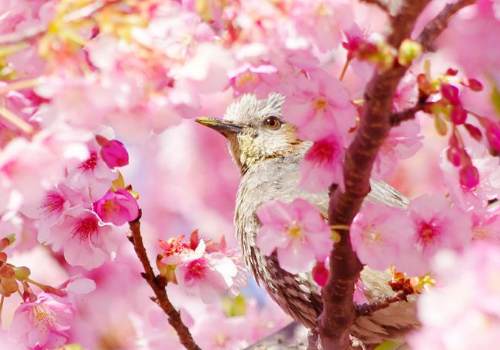
Cherry Tree Cutting Techniques and How to Handle Leaf Drop
Cherry trees are still relatively uncommon in China, and only some regions have them, so what about cherry tree cutting techniques? What should you do if the leaves drop? Cherry tree cutting techniques: selecting cherry tree cuttings. For cherry trees, choose a young and vigorous mother tree, cut one-year-old sturdy branches from the outer middle-upper part of its crown, keep the top shoot
-
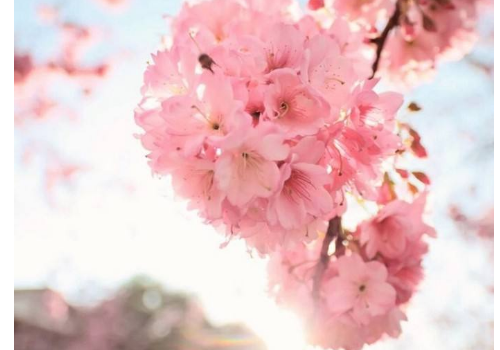
What is the difference between the cultivation techniques for flowering cherry trees and cherry trees?
Many people cannot tell flowering cherry trees and cherry trees apart, and many think they are the same plant, so what are the cultivation techniques for flowering cherry trees? What is the difference between flowering cherry trees and cherry trees? Cultivation techniques for flowering cherry trees: 1. Dig holes and plant: Before planting a flowering cherry tree, level the ground, then dig a hole 0.8 m in diameter and 0.6 m deep.
-

What are the treatment methods for cherry tree wounds?
During the growth of cherry trees, long-term exposure to the sun makes the bark prone to aging and damage, causing rot and forming hollows, which affects the growth and lifespan of the cherry tree. Therefore, once a wound is found on a cherry tree, treatment measures must be taken immediately. Generally, first use a sharp knife to shave and scrape the wound clean, then disinfect it with a disinfectant such as a 5-degree lime sulfur mixture or ink, and finally apply a protective agent such as tung oil to prevent the wound from rotting and promote its healing. If the cherry tree wound has already become a hollow, it should be repaired. The method is: first dig out the rotten wood inside the hollow, then scrape clean the dead tissue at the edge of the hollow, then disinfect with a chemical agent, and use leaf mold and charcoal powder to wrap the rotten area to promote the restoration of its normal physiological functions. Observe carefully and keep the leaf mold and charcoal powder wrapping moist. If it dries out, water it to maintain a certain humidity. After such treatment, the hollow of the cherry tree will slowly grow adventitious roots. Combined with annual soil improvement, the adventitious roots will continue to grow, and finally extend into the soil and gradually thicken. The adventitious roots will transform into a trunk, becoming a healthier main trunk that sprouts and produces flowers.
-
Red-leaf cherry blossom is a colorful-leaf landscape tree species with high ornamental value.
Red-leaf cherry blossom: a variety of the magnificent cherry blossom (Prunus serrulata), a deciduous small tree with large pink double flowers. Its leaves are purple-red for three seasons: in early spring the emerging leaves are deep red, from May to July they are bright red, then the older leaves gradually turn deep purple, and in late autumn when frost comes the leaves turn orange-red. The cherry blossom is a famous flowering tree; the red-leaf cherry blossom offers both flowers and foliage to admire, making it a precious ornamental colorful-leaf tree species for landscape gardens and urban greening, and also the most promising tree species to recommend first.
-
Timely Control of White Peach Scale on Cherry Trees
White peach scale on cherry trees is mainly found in cherry-growing areas and occurs commonly. Because the current climate is suitable and field humidity is relatively high, it has occurred quite severely in some fields. The damage has already caused leaves to basically fall off, and the pest population is extremely dense; up close and from a distance it looks completely white. It is estimated that the first-instar nymph stage of white peach scale should be around the end of September. The first-instar nymph stage is the best time to carry out spray control. Growers should strengthen field inspections and apply pesticide control immediately if infestation occurs, keeping the pest population base below the allowable economic level. Control methods
-
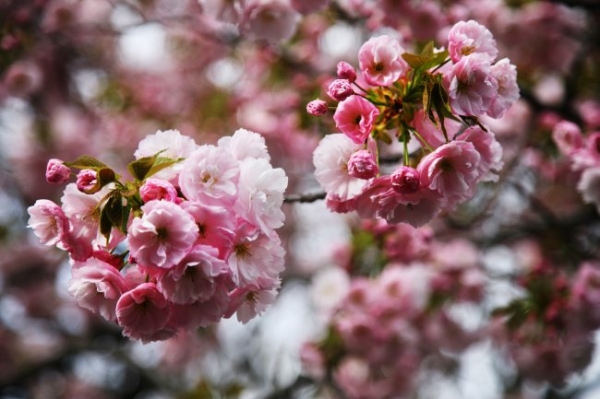
How many years does a cherry tree generally take to bloom after planting?
If you buy a cherry sapling from a market or nursery, it will generally bloom in the same year it is planted. If it is a sapling you propagated yourself by grafting, it will bloom the following year. Moreover, the cherry tree grows at a moderate rate, so remember not to try to pull up the seedlings to help them grow - be patient and wait for it to bloom. So
-
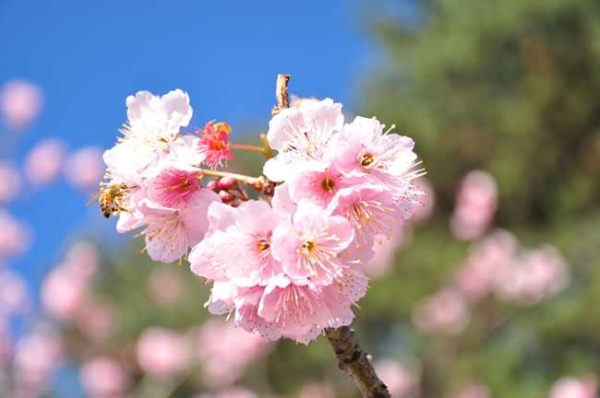
A detailed guide to planting cherry blossom trees, teaching you to grow cherry blossoms with ease
Cherry blossom trees should be grown in a pit. Before planting, dig a pit half a meter deep, fill it with 10 cm of fertilizer, and then plant. Note that when filling the soil, you can first gently lift the seedling roots upward so that the seedling roots spread out fully, then firm the soil, and then use a frame to support the seedling to prevent it from being blown over by strong winds
-
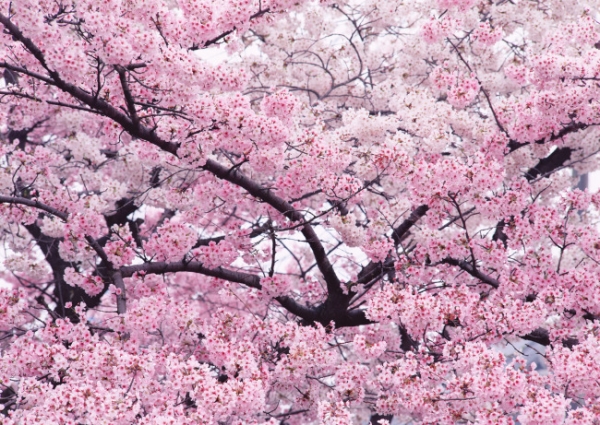
How Do Cherry Trees Reproduce? A Detailed Guide to Common Propagation Methods
Cuttings propagation When carrying out cuttings propagation, different branches should be selected according to different seasons. Usually, one-year-old hard branches are selected in spring, and one-year-old soft branches are selected in summer. Note that when planting, the soil should be kept breathable and watered frequently. Seed propagation Sow seeds collected from cherry blossoms.
条件筛选