-
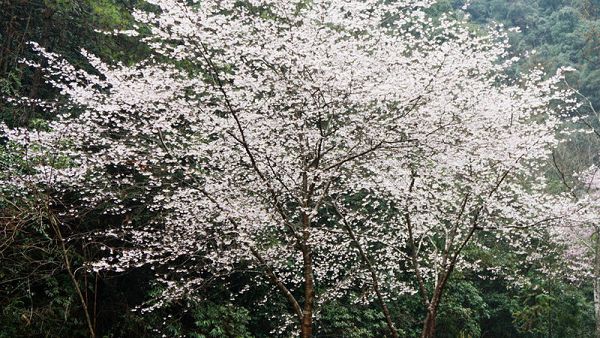
Detailed Explanation of Cherry Tree Cultivation Techniques and Management Methods
Cherry Tree Cultivation Techniques and Management
-
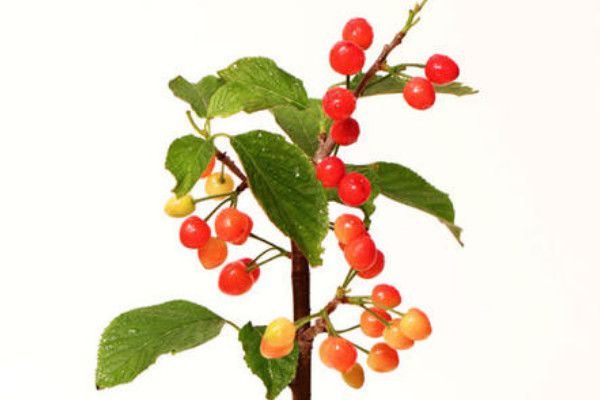
How to grow and care for potted ornamental cherry trees: methods and precautions
How to grow a potted ornamental cherry tree
-

What are the treatment methods for cherry tree wounds?
During the growth of cherry trees, long-term exposure to the sun makes the bark prone to aging and damage, causing rot and forming hollows, which affects the growth and lifespan of the cherry tree. Therefore, once a wound is found on a cherry tree, treatment measures must be taken immediately. Generally, first use a sharp knife to shave and scrape the wound clean, then disinfect it with a disinfectant such as a 5-degree lime sulfur mixture or ink, and finally apply a protective agent such as tung oil to prevent the wound from rotting and promote its healing. If the cherry tree wound has already become a hollow, it should be repaired. The method is: first dig out the rotten wood inside the hollow, then scrape clean the dead tissue at the edge of the hollow, then disinfect with a chemical agent, and use leaf mold and charcoal powder to wrap the rotten area to promote the restoration of its normal physiological functions. Observe carefully and keep the leaf mold and charcoal powder wrapping moist. If it dries out, water it to maintain a certain humidity. After such treatment, the hollow of the cherry tree will slowly grow adventitious roots. Combined with annual soil improvement, the adventitious roots will continue to grow, and finally extend into the soil and gradually thicken. The adventitious roots will transform into a trunk, becoming a healthier main trunk that sprouts and produces flowers.
-
Red-leaf cherry blossom is a colorful-leaf landscape tree species with high ornamental value.
Red-leaf cherry blossom: a variety of the magnificent cherry blossom (Prunus serrulata), a deciduous small tree with large pink double flowers. Its leaves are purple-red for three seasons: in early spring the emerging leaves are deep red, from May to July they are bright red, then the older leaves gradually turn deep purple, and in late autumn when frost comes the leaves turn orange-red. The cherry blossom is a famous flowering tree; the red-leaf cherry blossom offers both flowers and foliage to admire, making it a precious ornamental colorful-leaf tree species for landscape gardens and urban greening, and also the most promising tree species to recommend first.
-
Timely Control of White Peach Scale on Cherry Trees
White peach scale on cherry trees is mainly found in cherry-growing areas and occurs commonly. Because the current climate is suitable and field humidity is relatively high, it has occurred quite severely in some fields. The damage has already caused leaves to basically fall off, and the pest population is extremely dense; up close and from a distance it looks completely white. It is estimated that the first-instar nymph stage of white peach scale should be around the end of September. The first-instar nymph stage is the best time to carry out spray control. Growers should strengthen field inspections and apply pesticide control immediately if infestation occurs, keeping the pest population base below the allowable economic level. Control methods
-
What are the common types of pests and diseases affecting cherry blossom trees?
What pests and diseases affect cherry blossoms? How should they be prevented and controlled? There are many types of pests and diseases affecting cherry blossoms. The common ones are described below: 1. Shot-hole brown spot disease occurs in May and June, with small purplish-brown spots appearing on the leaves, which then gradually expand into circular shapes; after the diseased spots dry and shrink, they become small holes. The pathogen mostly overwinters on diseased branches...
-
What are the reasons for cherry tree bark splitting?
Why does cherry tree bark split? Please explain that when cherry trees have sufficient fertilizer or water, there are cases of bark splitting due to overly rapid growth. In this regard, the nursery applied urea in spring, which may have had a relatively obvious promoting effect on plant growth, causing its xylem to incre...
条件筛选