-

A Detailed Guide to the Latest Winter Cellar Storage Management Methods for Napa Cabbage
Winter is the harvest season for napa cabbage, and many people store napa cabbage in winter, especially in northern regions. When storing napa cabbage, the biggest fear is rot and loss of outer leaves, and these are all caused by improper storage. So how should napa cabbage be stored in winter?
-
Prevention Methods for Sweet Potato Cellar Rot and Storage Management Techniques
The biggest problem during sweet potato storage is cellar rot. Once cellar rot occurs, it may at best reduce the quality of the sweet potatoes, and at worst cause all the sweet potatoes in the cellar to rot, resulting in varying degrees of loss. Sweet potato cellar rot is mostly caused by physiological diseases and infectious diseases. Physiological diseases mainly
-
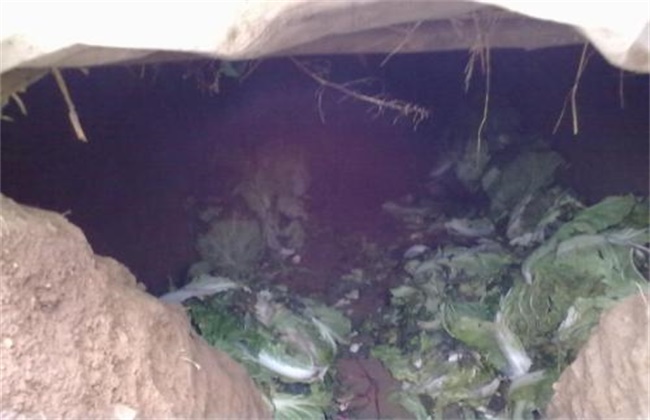
How to manage Chinese cabbage in winter cellar storage? These methods are very practical
Winter cellar storage management methods for Chinese cabbage
-
Key Technical Points and Detailed Methods for Cellar Storage of Sweet Potatoes
1. Timely harvest and careful selection of seed potatoes. In our area, sweet potatoes are generally harvested in late October, around the time of Frost's Descent. Harvesting begins when the soil temperature reaches 15°C and is completed at 2°C. Harvest on a sunny morning to facilitate moisture reduction, and when putting them into the cellar, select potato tubers free from disease, injury, freezing or flooding damage. 2. Cellar treatment. Whether new or old, all cellars must be sterilized and disinfected. Lime water or a 500-fold solution of carbendazim may be sprayed on the cellar walls, or a 1% copper sulfate solution or 50-fold formaldehyde solution may be used for sealed fumigation. 3. Chemical
条件筛选