-

How to Prevent and Control Pests During the Storage Period of Wood Ear Mushrooms
Wood ear mushroom is a type of fungus with relatively high nutritional value, and eating it regularly is good for our health. There are many ways to prepare wood ear mushroom; whether stir-fried or served cold, it is very crisp and popular with consumers. Friends who cultivate wood ear mushrooms will find a problem after harvesting them
-
Prevention Methods for Sweet Potato Cellar Rot and Storage Management Techniques
The biggest problem during sweet potato storage is cellar rot. Once cellar rot occurs, it may at best reduce the quality of the sweet potatoes, and at worst cause all the sweet potatoes in the cellar to rot, resulting in varying degrees of loss. Sweet potato cellar rot is mostly caused by physiological diseases and infectious diseases. Physiological diseases mainly
-
What to Do About Potato Rot During Storage? Causes and Preventive Measures
Potato is one of the main crops in Qinghai Province, with the characteristics of high and stable yield, a short growth period, and strong adaptability. In addition, it is rich in nutrients, serves as both grain and vegetable, and has high economic value, making it very popular among the general public. In recent years, with the development of the potato industry, significant production benefits have prompted the potato planting area to expand year by year. However, due to extensive scientific management during potato production, harvest, handling, and storage, a large number of seed potatoes rot during storage. According to surveys in recent years, in most high mountain areas of Qinghai Province
-
How to prevent potatoes from sprouting during storage? Practical tips shared
To prevent potatoes from sprouting during storage, you can spray the field with maleic hydrazide at a concentration of 2-3 g/kg in the late growth stage (that is, 2 to 3 weeks before harvest); you can also spray the whole plant with 2,4,5-T at a concentration of 0.5-1 g/kg 1 week before harvest to extend the dormancy period and storage period; in the late growth stage, mixed spraying of the whole plant with maleic hydrazide at a concentration of 3 g/kg and 2,4,5-T at a concentration of 0.3 g/kg has a better effect on preventing sprouting. In addition, after the potatoes are harvested,
-
Practical tips to prevent sprouting during potato storage
To prevent potatoes from sprouting during storage, the following methods can be used. (1) In the late growth stage (2-3 weeks before harvest), spray 2-3g/kg of maleic hydrazide in the field: (2) 1 week before harvest, spray the whole plant with 0.5-1g/kg of 2,4,5-T to extend the dormancy period and storage period: (3) 2-3 weeks before harvest, mix 3g/kg of maleic hydrazide with 0.3g/kg of 2,4,5-T and spray the whole plant for a better sprout-prevention effect. (4) After the potatoes are harvested, spray methyl naphthaleneacetate onto dry soil, then mix the potatoes with the dry soil
-
What control measures should be taken when pathological changes occur in garlic scapes during storage?
Abnormal changes of the scape tip 1. Browning of the scape tip (1) Symptoms The scape tip changes from yellow-green to yellow-brown or dark brown, dehydrates and shrinks into a thin flake-like form, is prone to decay, and is easily infected by mold, losing its toughness; dry-affected ones break easily, and wet-affected ones rot easily and are infected by mold. (2) Causes The tissues of the scape tip undergo physiological aging and death, and lose water and shrink. High temperature and high oxygen promote browning, and high humidity aggravates the degree of browning. (3) Control Harvest at the proper time, and strictly prevent high temperature, air-drying, or smothering during harvest and transport.
-
Key points to note during jujube storage
1. Thoroughly disinfect the storage room with CT storage-room disinfectant. 2. Lower the storage temperature to 0°C within 2 days before loading. 3. Jujubes should be harvested at the white-ripe stage, that is, when the fruit turns from green to white and the surface is slightly tinged with red. 4. Harvest with the fruit stalk attached; jujubes that have been knocked down with sticks must never be put into storage. 5. Jujubes sprayed with hormones such as ripening accelerators before harvest are not suitable for storage. 6. After harvesting, sort the jujube fruit, dip it in CT liquid preservative specially for jujubes, and pre-cool at 0°C while draining until the fruit temperature is 0
-
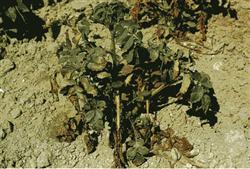
Practical tips for preventing sprouting during potato storage
Symptoms: Also known as potato verticillium wilt or premature ripening disease. In the early stage of the disease, the leaf tips turn yellow along the leaf margins, and yellowing spreads inward from the leaf veins; later, the leaves dry up and turn from yellow to brown, but do not curl, until all compound leaves die without falling off. When the rhizome is infected, the initial symptoms are not obvious. After the leaves yellow, the vascular bundles at the cut rhizome have already turned brown, and later the aboveground stems...
-
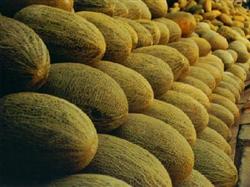
What is black spot disease during cantaloupe storage?
Black spot disease is one of the main diseases in cantaloupe storage, mainly occurring in the late storage period. Brown, slightly sunken round spots form on the melon surface, gradually expand and turn black, and may even become irregular in shape. The flesh beneath the spots becomes necrotic, black, and spongy, and separates easily from the healthy flesh. This disease strikes when the cantaloupe matures and ages and its disease resistance gradually...
-
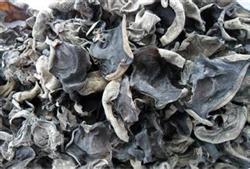
How to prevent and control pests during the storage of wood ear mushrooms?
How do you prevent and control pests in stored wood ear mushrooms? Please explain the methods. The following methods can be used for pest prevention and control when storing wood ear mushrooms: 1. Eliminate pest sources. The pests that damage wood ear mushrooms include the long-horned grain beetle, termites, grain moths, and so on. They often overwinter in warehouse cracks, debris, packaging materials, and other places, so before storing wood ear mushrooms, the indoor...
条件筛选