-
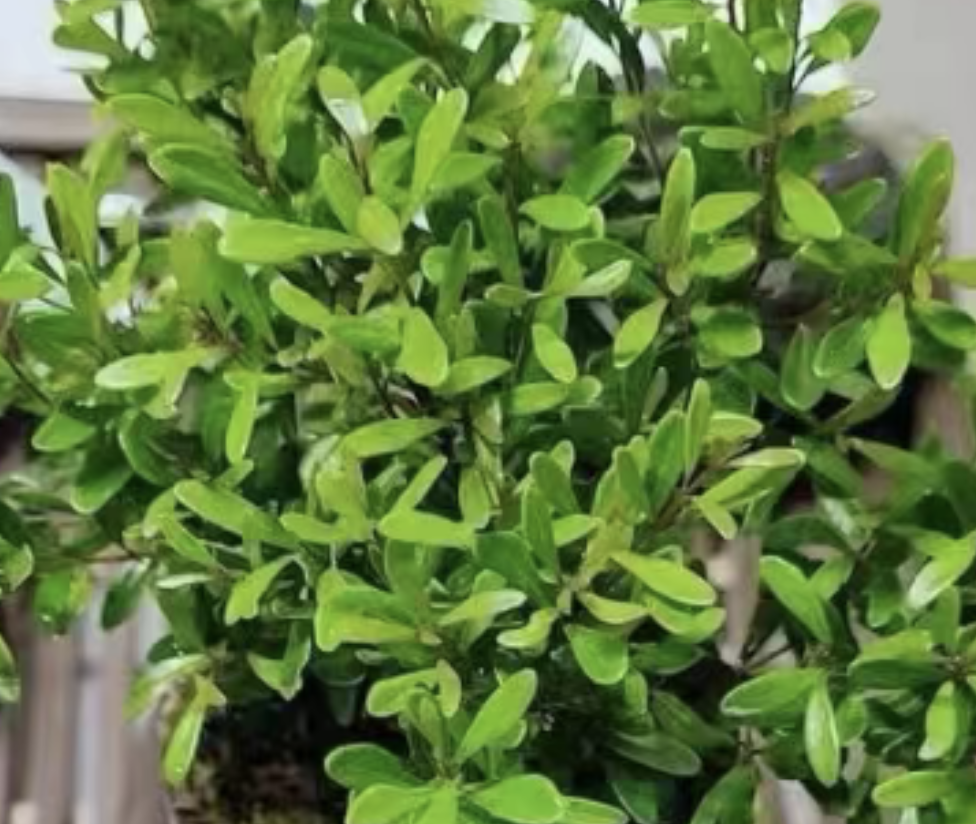
Having trouble with your small-leafed camphor tree (Cinnamomum camphora)? These 3 common diseases are most likely to show up
Is your small-leafed camphor tree looking a bit "droopy" lately? Maybe the leaves have spots, the branches are moldy, or the whole plant is wilting. Chances
-

Money Tree Lost All Its Leaves and Only the Trunk Is Left? Don't Throw It Away - Do This and It Will Most Likely Survive
Many friends who grow money trees (Pachira aquatica) have run into the situation where "all the leaves drop off and only a bare trunk is left." At the sight of this, they panic: "Is it beyond saving? Just throw it out!" Actually, don't rush to throw it away. As long as the trunk hasn't completely rotted through, following these steps will most likely get it to sprout new buds and grow leaves again - tried and tested!
-
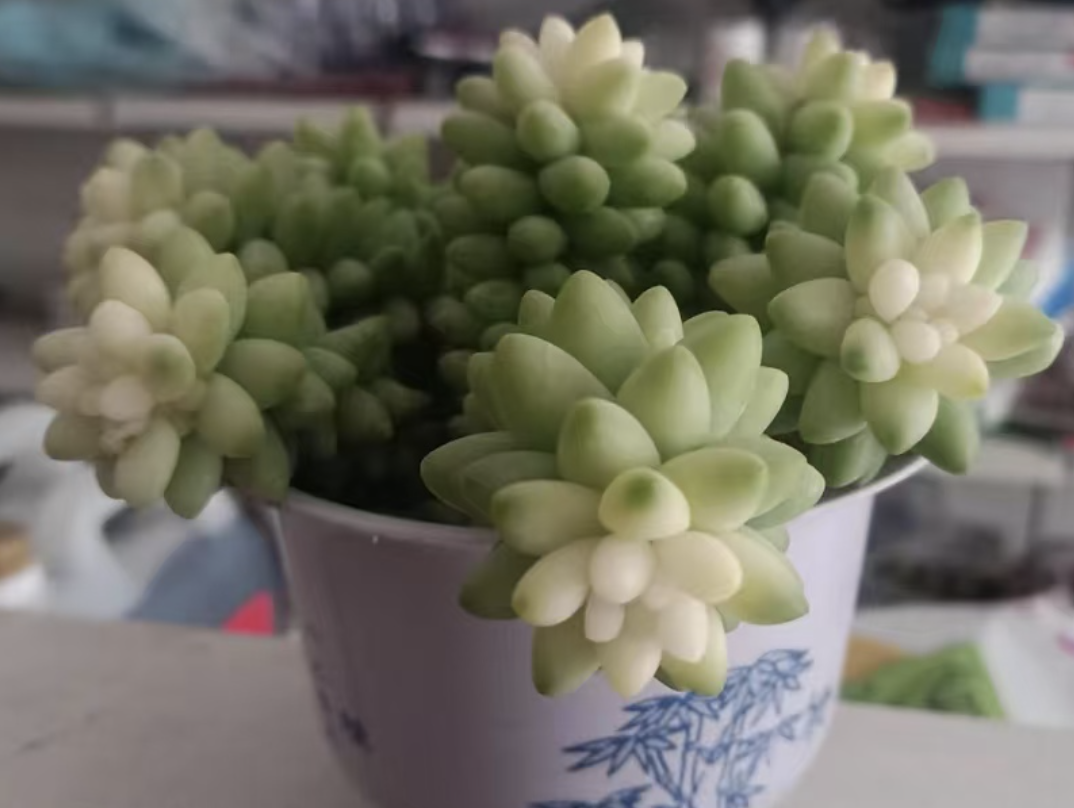
What is the most resilient and easiest succulent to grow?
With the progress of society, many people are busy with their daily lives and, during their free time, prefer to stay at home and enjoy flowers and plants
-
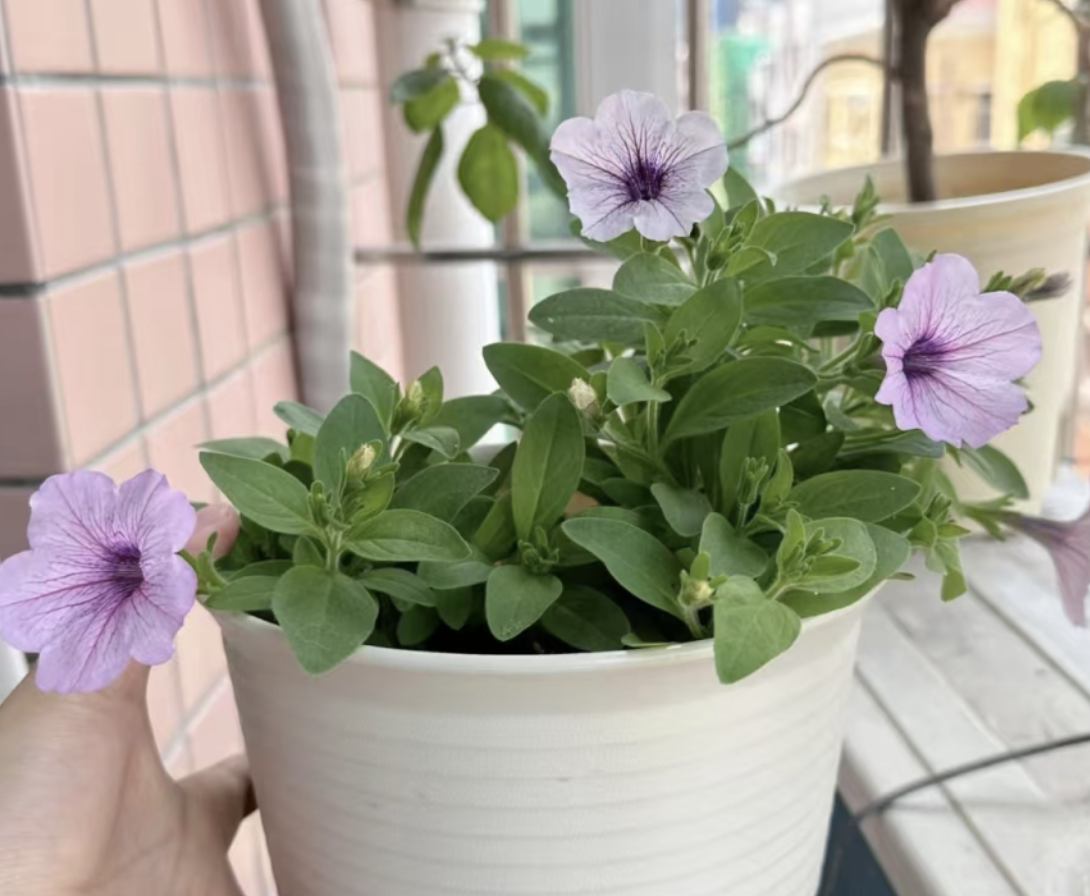
What are the 3 most popular flowers that bloom in May? Which flowers are easy to bloom and easy to care for?
April is likely one of the busiest months for many plant enthusiasts. Why is that? Because it's the perfect time for most plants to be repotted, pruned, or
-

When is the most suitable time to prune plant branches? Which potted plants should not be pruned in September?
In the blink of an eye, more than half of the year has passed, and from summer to autumn, the weather is getting cooler and cooler. Many flower enthusiasts begin a series of operations such as repotting and pruning at this time. However, during the process, attention should be paid: some plants that bloom in autumn and winter or bloom in spring and summer have already begun flower bud differentiation now. If you cut them with one snip at this time
-
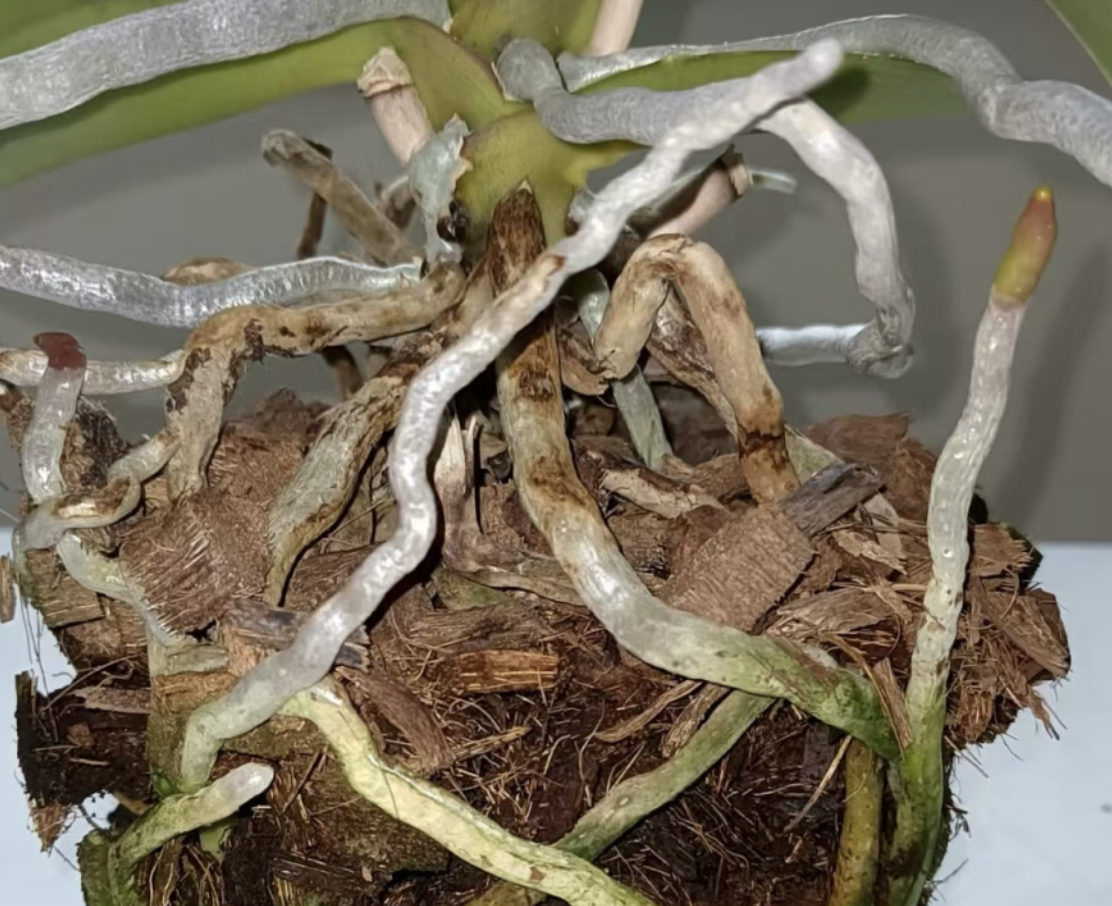
For Phalaenopsis orchids, is local sphagnum moss or Chilean sphagnum moss better? Which are the top three most expensive sphagnum moss varieties?
As we all know, Phalaenopsis orchids have an elegant appearance, and when they bloom, they look like fluttering butterflies — a sight that leaves a lasting
-

4 kinds of flowers that fear scorching sun the most, they only thrive when kept in a shady spot
It has been getting hotter and hotter lately, and the sun is getting more and more vicious. Many flower-growing friends are complaining: "Why does my flower wilt after being in the sun?" Actually, not all flowers are "sunflowers" - some flowers are naturally afraid of sun, and once exposed they get yellow leaves and scorched tips, which really breaks your heart! Clivia: This flower looks majestic, but it is actually very delicate. Many people think
-

What is the best and most cost-effective substrate for growing Phalaenopsis orchids at home?
Friends who grow Phalaenopsis orchids surely know: "To grow orchids, first grow the roots; to grow the roots, rely on the substrate." Unlike growing pothos or succulents in ordinary potting soil, Phalaenopsis is an epiphytic orchid with aerial roots that need to breathe air. If you use sticky garden soil, the roots will surely rot within half a month. So when choosing a substrate, never be careless. You have to pick those that are breathable, water-retentive yet not root-suffocating, and also cost-effective. After all, we are growing flowers at home, and there is no need to spend a lot of money on fancy but impractical things.
-

Can Phalaenopsis orchids be repotted in autumn, and when is the most suitable time to repot them?
"Can I repot my Phalaenopsis orchid in autumn?" Actually, the answer is quite flexible, but first let me share a key point with everyone - repotting a Phalaenopsis orchid doesn't depend on whether the season feels right, it depends on whether its "condition" feels right. Let's first sort out the autumn repotting question clearly, then talk about when it's most suitable, so even beginners can understand. Is autumn repotting okay?
-

Causes of Phalaenopsis Soft Rot and the Most Effective Treatment Methods
Many flower enthusiasts have experienced this: a perfectly healthy Phalaenopsis suddenly develops soft, sticky leaves, or even oozes pus, which is heartbreaking. So what exactly causes this troublesome soft rot? And what medication can treat it? Why do Phalaenopsis get soft rot? The main culprit is a bacterium called Erwinia, which particularly loves damp and stuffy environments.
条件筛选