-
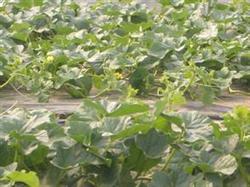
What are the precautions for using insecticides during the melon seedling stage?
Melon seedlings are sensitive to many insecticides and are highly prone to pesticide damage, so insecticides must be used with extra care. For pests such as ground beetles, a moat method can be used: dig a small ditch around the seedbed, line it with waterproof plastic sheeting, then fill it with water and add Shennongbao or Amaier to form a barrier, which is very...
-
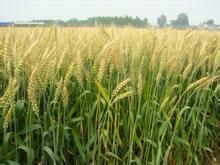
Correct application methods and precautions for slow-release nitrogen fertilizer
Traditional nitrogen fertilizer management for strong-gluten wheat is generally divided into two applications. The first is a portion of nitrogen fertilizer applied before wheat sowing in conjunction with plowing, accounting for 60%-70% of the total nitrogen application; the second is a topdressing applied from the spring green-up stage to the stem elongation stage of wheat in conjunction with watering, accounting for 30%-40% of the total fertilizer application. Some apply it before wheat overwintering...
-
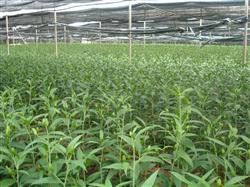
Which herbicides should be used with caution on flowers, plants and nursery stock?
When choosing herbicides, note that many herbicides are not suitable for use in gardens, flower nurseries and lawns. 1. Post-emergence herbicides for controlling broadleaf weeds. MCPA, 2,4-D, bentazone, dicamba, fluroxypyr, chlorimuron, clopyralid, haloxyfop and others must not be used in nurseries, gardens or Zoysia matrella lawns. ...
-
What are the precautions for using herbicides in wheat fields?
What should be noted when using herbicides in wheat fields? How should it be done? Applying herbicides to wheat requires the following strict practices: Strictly select herbicide varieties. There are many types of herbicides, and each herbicide has a certain spectrum of weed control. Some herbicides have a very narrow weed control spectrum, such as barban, which can only control wild oats; MCPA controls shepherd's purse, purslane, and wild oats very well, but its effect on cleavers is very poor; 2,4-D is effective against broadleaf weeds such as amaranth, but ineffective against grass weeds. Farmers should choose the right herbicide according to the most common weed species in the wheat field in order to achieve the desired effect. To control broadleaf weeds, herbicides such as chucaojing, dicaojing, tribenuron-methyl, and baijia mixture can be selected for good control results; however, metsulfuron-methyl, chlorsulfuron, and maicaoer can only be used early in wheat fields under a rice-wheat rotation system. If crops such as cotton, corn, peanuts, or beans are planted after rice, serious phytotoxicity will occur, leading to frequent incidents of almost total crop failure.
-
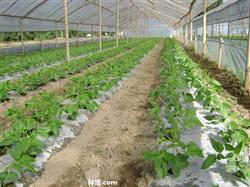
What are the precautions for using water-soluble flush fertilizer on greenhouse vegetables?
What should be noted when using flush fertilizer for greenhouse vegetable cultivation? Seeking answers. As a new type of topdressing, flush fertilizer is welcomed by the majority of farmers because of its features such as easy application, easy absorption and fast fertilizer effect. Especially in greenhouses with protected cultivation, it has been applied over a large area and achieved good economic benefits. Greenhouse veget...
-
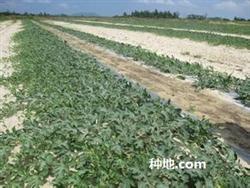
What are the precautions for applying herbicides to watermelon?
What should be noted when applying herbicides to watermelon? In order to reduce and prevent mistakes in applying chemical herbicides to watermelon, the following issues should be noted in application techniques. 1. Correctly select the herbicide. There are many herbicide varieties available for watermelon production, the most commonly used being 48% trifluralin emulsifiable concentrate, 25% nitrofen wettable...
-
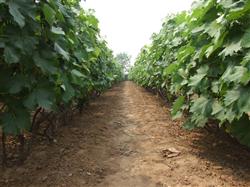
Precautions for Using Plant Growth Regulators on Fruit Trees
What should be noted when applying plant growth regulators to fruit trees? Plant growth regulators are synthetic organic compounds that promote, inhibit or otherwise alter a specific growth process in plants. Although they are trace substances, they can produce noticeable effects. But improper use often backfires, while rational use...
-
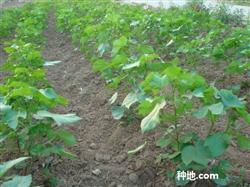
What are the precautions for applying biological potassium fertilizer?
How should cotton be supplemented with potassium fertilizer? For supplementing cotton with potassium fertilizer, it is generally best to use coarse fertilizer as a base dressing. At present, returning straw to the field should be strongly advocated. According to surveys, returning about 800 kg per 667 sq m can not only return 4 kg of potassium oxide to the soil, but also convert slowly available potassium in the soil into available potassium. Potassium fertilizer...
-
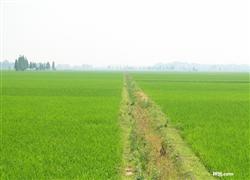
What are the precautions for applying urea to farmland?
What should be noted when applying urea to farmland? Please explain: urea is convenient to use and has high fertilizer efficiency, making it a nitrogen fertilizer much loved by farmers. It can be used as a base fertilizer, a topdressing, and also as a foliar topdressing. If applied improperly, it not only wastes fertilizer but can also cause "fertilizer burn" and harm crops. Therefore, when applying urea...
-
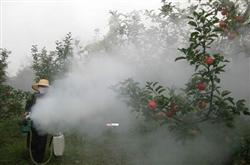
What are the precautions for spraying urea?
What should be noted when spraying urea? Here are the precautions for spraying urea: 1. Do not spray in extremely hot weather or before rain, to avoid burning the seedlings or losing fertilizer nutrients. The best time to spray is in the early morning or afternoon each day, and spray again 7~10 days after the first application. 2. When spraying on cereal crops or crops with smooth leaves...
条件筛选