-

What are the control methods for nutrient deficiency diseases in citrus
Zinc deficiency causes mottled leaf disease. Citrus mottled leaf disease is a common disease, with the typical symptom being mottled small leaves. When new leaves begin to turn green, the main veins and lateral veins appear markedly green, while the remaining tissue is light green to yellowish white and glossy. In severe cases, only the area near the main vein or thick lateral veins is green, and the new leaves are narrow and mottled, mostly upright, with short internodes and clustered branches. Mottled disease is caused by zinc deficiency. Many soils are deficient in zinc, such as soils formed from granite, gneiss, and serpentinite, which contain little zinc; acidic sandy soils lose zinc easily; in alkaline soils zinc readily forms insoluble compounds, thus causing zinc deficiency. In addition, soil that is too dry or too wet, low humus content or excessive application of organic matter, which hinders contact between roots and soil, as well as heavy pruning, all make zinc deficiency likely to occur. Foliar fertilization can achieve fairly good results in controlling zinc deficiency. It is advisable to spray 0.2%-0.3% zinc sulfate solution (with an equal amount of lime) once during the tender shoot stage, and spray 2-3 times for severe zinc deficiency.</p><p></p><p>Copper deficiency or boron deficiency causes dieback disease. In the early stage of copper deficiency in citrus, new shoots are long, soft, and slightly curved, the leaves are large and dark, and fruiting is low, so it is easily mistaken for excessive vigor. In severe cases, the tips of the shoots turn tea-brown and die, short weak clustered branches appear, and they dry out and drop early and gum exudes; when the branches mature, the wounds are reddish brown, and parts of the leaves are reddish brown. Citrus has a very small copper requirement, and ordinary spraying of Bordeaux mixture is already sufficient. However, copper deficiency is likely to occur in peat soil, acidic sandy soil, soil with high organic matter content, as well as on abandoned grazing land and abandoned cemetery land; excessive application of barnyard manure and phosphate fertilizer also causes copper deficiency; newly reclaimed citrus orchards that have not been sprayed with Bordeaux mixture or other copper preparations for several years are prone to copper deficiency. Boron deficiency in citrus: the growing points of buds die continuously, forming clustered buds; leaf veins swell, become corky or split; the fruit is small and deformed, with thick hard peel, and brown resin deposits are present in the fruit center and spongy layer. Boron is easily lost from acidic soil, hence boron deficiency. In soil parent materials such as granite, gneiss, and schist, boron content is extremely low; in alkaline soil its solubility is poor, so boron is also deficient. Excessive application of phosphate fertilizer or lime, or soil drought, all affect the availability of boron and the absorption of boron by roots; sour orange has weak boron uptake, so citrus grafted onto sour orange rootstock is generally deficient in boron. For copper deficiency, Bordeaux mixture or other copper fertilizers can be sprayed. To supplement boron, soil application can be used, or 0.05%-0.1% boron fertilizer solution can be sprayed at the bud stage, flowering stage, and small fruit stage.</p>
-
Integrated Control Methods for Anthracnose in Citrus Cultivation
After damage, it causes leaf spots, fruit drop, and branch dieback, weakening tree vigor and even killing the entire tree, greatly affecting citrus yield and tree vigor. In particular, the rainy and sunless conditions last autumn caused severe waterlogging in some citrus orchards, poor root growth, and weak tree vigor, which allowed the anthracnose pathogen
-
What to Do When Crops Suffer Herbicide Damage? A Full Guide to Remedies
Phytotoxicity refers to abnormal crop growth or physiological disorders after pesticide application. Phytotoxicity comes in two types: acute and chronic. So what should you do if crops suffer phytotoxicity? 1. Symptoms of phytotoxicity Acute phytotoxicity generally shows obvious symptoms a few hours to 3-4 days after spraying, such as burning, wilting, leaf drop, flower drop, and fruit drop; chronic phytotoxicity, on the other hand, produces obvious reactions only after a relatively long period following spraying, such as poor growth, deformed leaves, and delayed maturity. Common symptoms include spots of varying size, shape, and color on the leaf surface, localized tissue scorching, perforation or leaf drop, or leaf yellowing, chlorosis, or thickening.
-
These reasons may be causing your potted greenery's leaves to turn yellow
Growing potted greenery is now very common. Whether in homes, companies, parks or other places, they can be seen everywhere. They not only beautify the environment, but some can also purify the air. Most greenery is fairly easy to care for, as long as you understand their
-
What to Do If a Potted Money Tree Gets Frostbite? A Detailed Guide to Handling Cold Damage
The money tree (Pachira aquatica) is popular with many people because of its auspicious meaning of bringing in wealth and treasure. Whether in offices, shops, or homes, you will often see them around. Potted money trees come in large and small sizes, each with its own charm, and people generally choose according to their own preference. Now
-
What are the latest causes of soybean premature senescence?
Soybean is what we call yellow bean in daily life. It belongs to the annual herb of the genus Glycine in the Fabaceae family, and its height generally does not exceed 1 m. Soybean is fairly comprehensive in nutrition and rich in nutrients, and its protein content is especially abundant, many times higher than that of pork, eggs and the like, with very good quality as well.
-
Ant bite causing red, swollen, and itchy skin? What ointment should you apply to reduce the swelling and stop the itching?
Sometimes when playing outdoors, you may accidentally get bitten by an ant. After an ant bite, the area becomes red, swollen, and itchy, and many people don't know what to do about it. Below, I'll explain it to everyone. Ants are a type of insect, also known as yi, xuanju, kunfu.
-
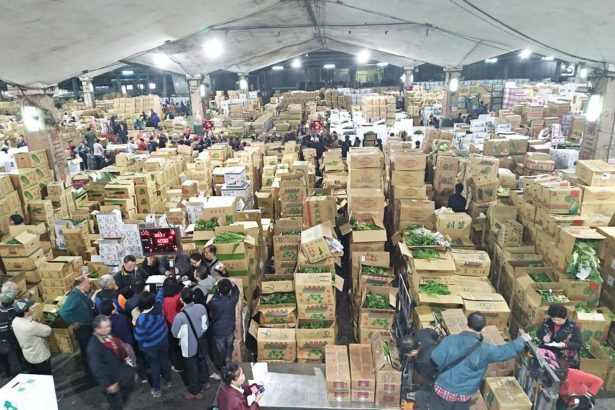
Beinong Taipei Fruit and Vegetable Market closed for 6 days within 12 days, causing fruits and vegetables to ripen on the plants, pile up, and prices to fall; farmers are heartbroken.
Beinong Taipei Fruit and Vegetable Market closed for 6 days within 12 days! Fruits and vegetables ripened on the plants and piled up badly, supply surged and prices fell, farmers are heartbroken.
-
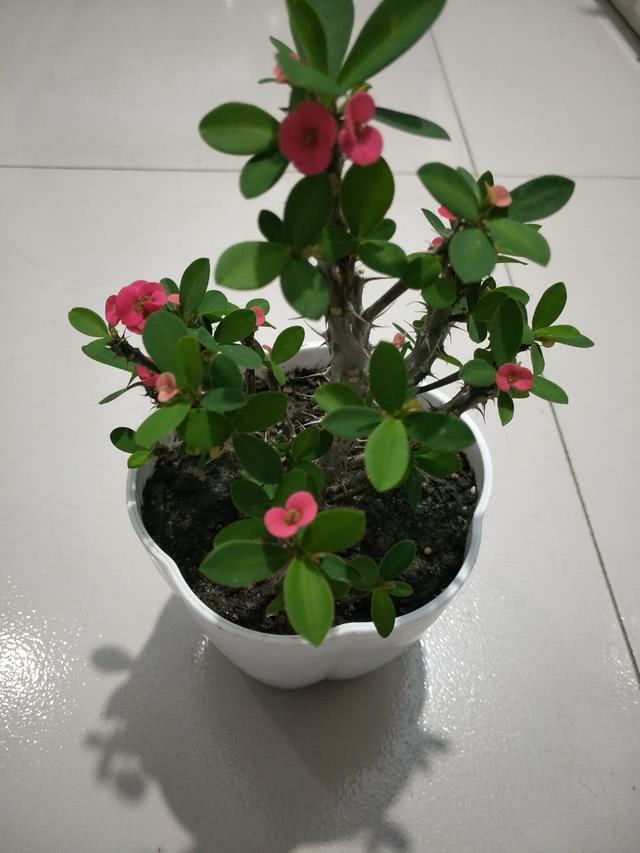
Scientific Cultivation Methods for Crown of Thorns: Debunking the Cancer-Causing Rumor
Crown of Thorns is also known as iron begonia. When it blooms, the small, delicate flowers cluster among the tender green, slender loquat-like leaves, a few dots of red amid a sea of green, most lovely. Crown of Thorns has tenacious vitality. When winter temperatures drop below 5°C, it will shed its leaves, but do not...
-

The culprit causing obesity is actually this kind of food, which many girls love to eat
High-calorie, high-density foods are the easiest to make people gain weight, especially foods that have been deep-fried, whose calories increase a great deal; they contain a lot of fat and oxidizing substances, make weight gain very easy, and also produce large amounts of carcinogens...
条件筛选