Scientific Cultivation Methods for Crown of Thorns: Debunking the Cancer-Causing Rumor
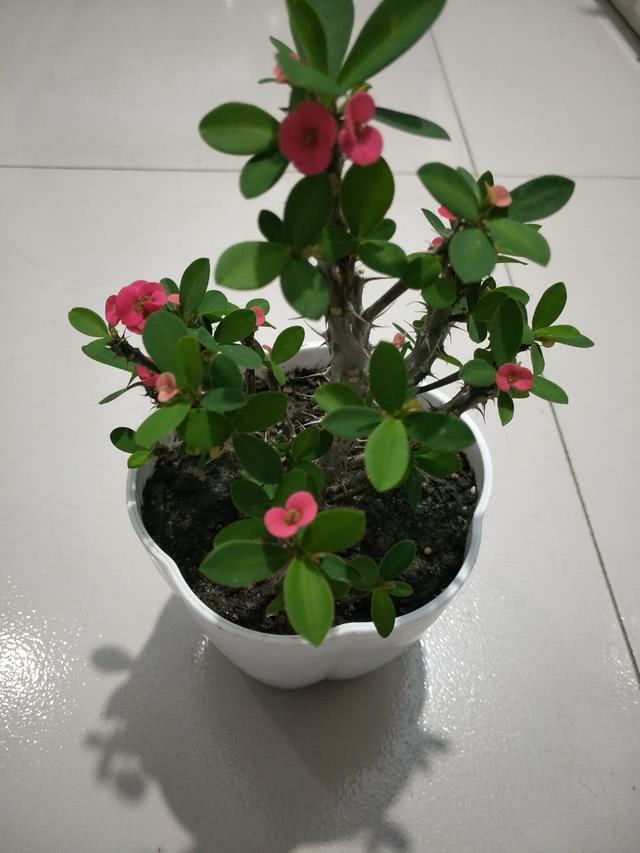
Crown of Thorns is also known as iron begonia. When it blooms, the small, delicate flowers cluster among the tender green, slender loquat-like leaves, a few dots of red amid a sea of green, most lovely. Crown of Thorns has tenacious vitality. When winter temperatures drop below 5°C, it will shed its leaves, but do not think it has died and throw it away; it is merely in short-term dormancy. When spring temperatures rise again, it will still sprout new leaves. Keep temperatures above 15°C and provide sufficient light, and Crown of Thorns will bloom continuously all year round.
Crown of Thorns loves sunlight. During the flowering period, ample sunlight brings out vivid colors in the bracts, while insufficient sunlight makes the flowers dull. If the Crown of Thorns you are growing only produces leaves and no flowers, besides excessive nitrogen fertilizer, it is very likely caused by a lack of light.
Crown of Thorns does not like heavy fertilizer. It is generally recommended to apply a decomposed organic liquid fertilizer once every 20 days during the spring growing season, such as diluted cake fertilizer water. During the bud stage, apply less nitrogen fertilizer and more phosphorus and potassium fertilizer to promote flower bud differentiation. For example, spraying a 1:1000 potassium dihydrogen phosphate solution once every 15 days can produce more flowers with vivid colors.
Crown of Thorns has a long flowering period, and most flowers bloom at the tips of new branches. Therefore, timely pruning during the flowering period is necessary for more blooms. After the first flush of flowers, shorten the overly long and unevenly growing branches. Generally, two new branches grow below the cut on a branch, and when the new branches reach 5-6 cm, they can bloom.
The leaves of Crown of Thorns are succulent, and the entire plant is covered with sharp thorns. The white milky sap contained in the stems is toxic and can trap small flying insects that stick to it; this is a form of self-protection for the plant. At the same time, it can irritate human skin and mucous membranes, and accidental ingestion can cause poisoning symptoms such as nausea and diarrhea. There is an online rumor that Crown of Thorns causes cancer, which has forced many flower lovers who enjoy growing it to part with it reluctantly and throw it away. In fact, this rumor has no scientific basis. Cancer is caused by the EB virus. Some scientists have confirmed that extracts from the branches and leaves of Crown of Thorns have the ability to induce the early antigen of the EB virus, but the plant itself does not produce the EB virus. Promoting cancer is not the same as causing cancer. Moreover, these cancer-promoting substances are found everywhere in daily life, from rubber to spices, from essential oils to substances extracted from plants, all contain this metabolite.
Therefore, when growing Crown of Thorns, as long as you avoid contact with the plant's own secretions, wear gloves when pruning, wash your hands promptly after pruning, place Crown of Thorns on a balcony or high place out of children's reach, and improve ventilation and environmental hygiene, you can both enjoy the beauty of Crown of Thorns and greatly avoid the harm it may bring.