-

A Complete Guide to Castor Bean Seed Selection and Seedling Cultivation Methods
In rural areas there is a plant that seems unremarkable but actually has considerable value, and this plant is called the castor bean. Castor bean seeds can be pressed for oil, with an oil content of about fifty percent. Castor bean seeds have already reached industrial scale in many countries around the world. Let's learn about
-
The Latest High-Yield Castor Bean Planting Techniques and Methods Tutorial
Castor bean, also known as damazi, laomale, caoma and other names, is an annual or perennial herbaceous plant of the genus Ricinus in the Euphorbiaceae family, often becoming a perennial shrub or small tree in tropical or southern regions. It originated in Egypt, Ethiopia and India, and later spread to Brazil, Thailand
-
How to Grow Castor Bean? The Latest Cultivation Techniques and Methods Tutorial
Castor bean is an annual or perennial herbaceous plant. The castor bean is native to Africa, and it is now cultivated throughout the tropical regions of our country. Castor bean has relatively high medicinal value, as it can reduce swelling and draw out toxins, promote blood circulation and remove blood stasis, and more. In addition, castor bean is one of the main raw materials for industrial oil in our country.
-
A detailed explanation of the latest key points of castor field management techniques
Castor is a very important oil crop in our country. The oil pressed from castor seeds has high viscosity, tolerates both low and high temperatures, and can maintain its original state without deforming under low and high temperatures. Castor is now cultivated on a large scale in 30 countries around the world. Our country also
-
Is Castor Oil Poisonous? Growing Castor Beans Has Promising Prospects
In our daily lives, rapeseed oil, peanut oil, corn oil, soybean oil, sesame oil, walnut oil and the like are common cooking oils, and most people have probably heard of castor oil too. So, is castor oil poisonous? 1. Is castor oil poisonous? Castor oil
-
A Detailed Guide to Castor Bean Planting Techniques and Yield Performance
The planting time and yield of castor beans vary by region. In South China and Southwest China, sowing is done in March-April; in East China and North China, sowing is done in April-May; in Southwest China, it can be sown in winter, spring and summer; in the tropical regions of South China, it can also be sown in winter; its yield per mu ranges from 200-500 kg
-
Castor Bean Cultivation Techniques Explained in Detail: Master All the Key Points of Cultivation and Management
The castor bean is native to Egypt, Ethiopia and India. It thrives in high temperatures, is not tolerant of frost, and adapts strongly to acid and alkaline soils. It is widely cultivated in China. Today we will introduce castor bean cultivation techniques. I. Site selection and land preparation. The castor bean is highly adaptable and suitable for cultivation in all kinds of soil. It
-
A Detailed Guide to Castor Bean Planting Techniques and Yield Performance
Summary Site selection and land preparation: The castor bean has strong adaptability and can be planted on all types of land. Begin plowing 4-6 weeks before sowing to let the soil mature. Selection for planting: choose the earliest-maturing fruits from vigorously growing plants, pick them, and dry them in the sun for storage. Fine sowing: generally
-
How many jin per mu can castor beans generally yield?
Abstract The average yield of castor beans is about 400-1000 jin per mu. Depending on the variety, region, and cultivation management, the yield varies greatly. Castor beans are mainly grown in northern China, generally 1 season per year. Double-season planting began in 2009, and the yield per mu in the early season
-
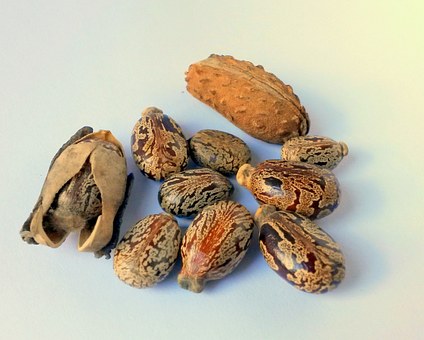
How much does a jin of castor seeds cost, and what are the planting methods and benefits?
Castor, also known as darmazi, laomale, and caoma, is a fairly common annual or perennial herbaceous plant in daily life. Because of its high oil content, it is used as an important raw material for the chemical, electromechanical, metallurgical and other industries, and it is now grown in many regions.
条件筛选