-
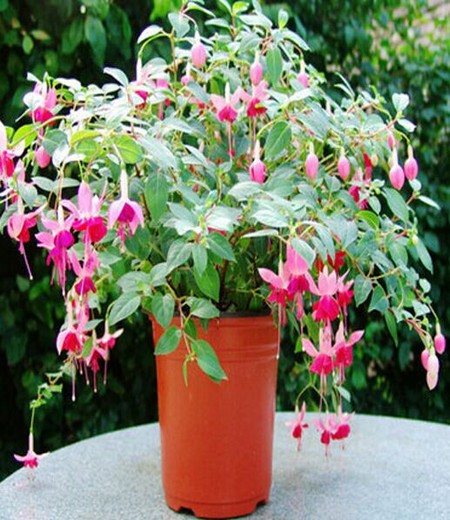
How to grow fuchsia in pots? Detailed guide to care methods and precautions
Propagation: Cuttings, can be done year-round except in summer. April-May or September-October is when cuttings root fastest. Use either the tips of shoots or the middle-to-lower parts, cut into 8 cm-10 cm sections and insert into a pot filled with sandy soil, place in a shaded spot, cover with glass, and roots will form in about 10 days
-
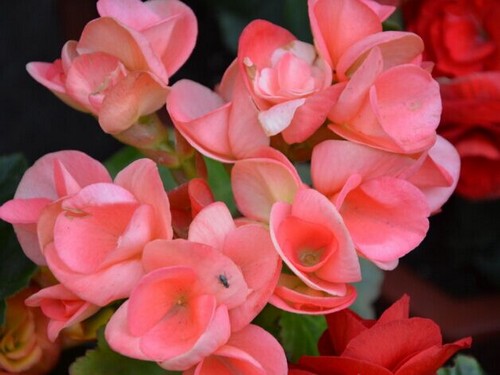
How to Grow Rieger Begonia? A Complete Guide to Care Methods and Precautions
Rieger Begonia (Begonia × hiemalis) is a greenhouse flower that blooms in winter. Because it is a hybrid variety, it combines many advantages: large and brightly colored flowers, rich colors, and gorgeous flower shapes that are mesmerizing. In recent years, Rieger Begonia has become very popular in the flower market, and its cultivation and consumption have increased sharply.
-
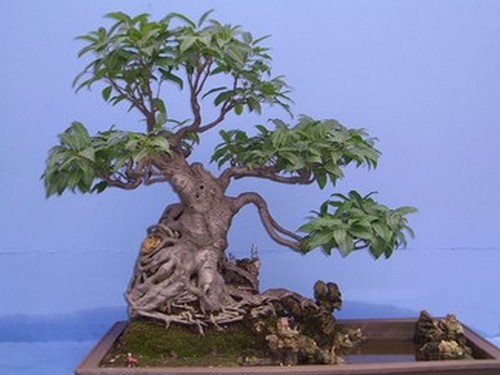
How to grow a Sorbaria bonsai? Detailed care methods
Sorbaria sorbifolia, also known as pearl spiraea, belongs to the genus Spiraea in the rose family. It is a deciduous shrub with lush branches and leaves, umbrella-shaped inflorescences, and dense small white flowers that look like accumulated snow. Its flowering period is April to May. It is suitable for clump planting, group planting, and mass planting. When grown as a home potted plant for ornamental purposes, its pretty and charming appearance in bloom is even more refreshing and delightful. Sorbaria sorbifolia is native to northern Asia.
-
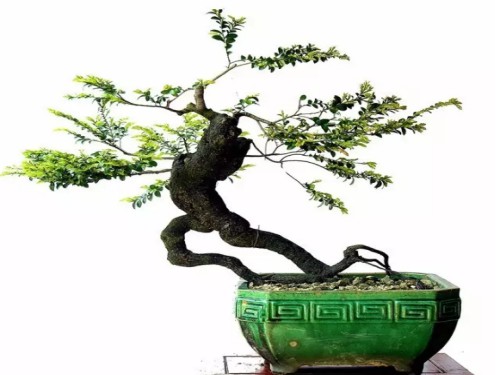
What are the care methods for a black bone tea bonsai?
Black bone tea is mainly a bonsai tree species grown for its foliage. The leaves of a black bone tea bonsai are relatively small and deep green, its bark and roots are black, and its wood is very hard, yet its growth rate is very slow. Large, fully formed tree-style works have only been seen in bonsai magazines from Taiwan, China.
-
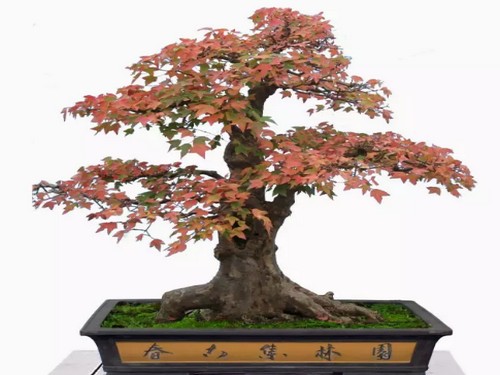
How to grow a trident maple bonsai? Detailed guide to cultivation and care methods
There are various planting methods: container growing, ground planting, and building a brick-lined pool for planting. Each planting method has its own characteristics, and since each person's situation differs, they should be treated separately. The tall, imposing, vigorous and powerful trunk, and the domineering root flare, all fully embody the majestic beauty and striking presence of the trident maple. The trident maple is one of the tree species with the most elegant charm.
-
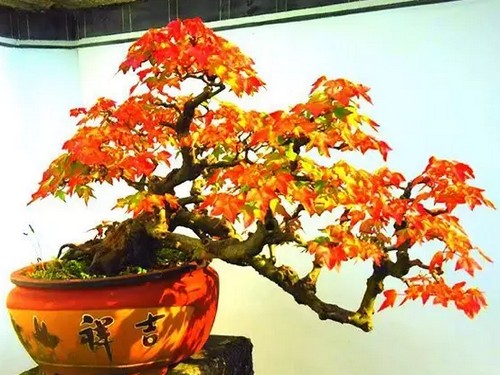
How to grow a trident maple bonsai? Care methods and precautions
Playing with bonsai in your spare time can be said to be one of life's pleasures. Though these little seedlings and small stumps may not look like much, once you plant them in a suitable pot they take on an entirely different charm. In fact, working with bonsai is not difficult. First, you need to understand its habits and be able to grow it well and keep it alive in a pot. Then you just need to add a bit of artistic appreciation.
-
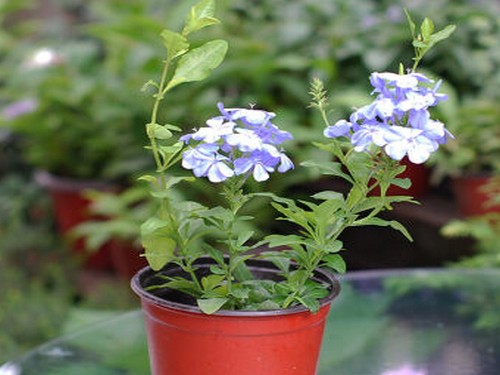
Detailed Guide to the Care Methods and Techniques for Potted Blue Plumbago (Plumbago auriculata)
I bought a pot of Taiwan blue plumbago (Plumbago auriculata); it was very beautiful and attracted a bunch of neighbors to grow this flower too. After all these years, my mother plant has grown more and more luxuriant, and the cuttings have spread far and wide. But the neighbors' blue plumbago has not grown very well; they do not know how to care for blue plumbago, the leaves are yellow, and the plants are very unhealthy.
-

How to care for a small-leaf banyan bonsai? Teach you the correct care methods
The small-leaf banyan's advantages are its beautiful form, beautiful root base, beautiful branches, beautiful bark color, beautiful leaves, and beautiful aerial roots. The banyan has vigorous roots, dense branches and leaves, grows easily, tolerates pruning, and has a long lifespan. It is also wonderfully varied and uniquely shaped, making it an excellent material for cultivating stump bonsai, and it is highly favored by many bonsai enthusiasts. Nowadays
-
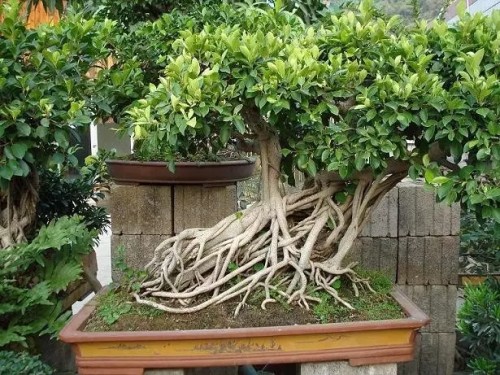
How to care for a Ficus microcarpa bonsai? Methods and tips explained in one article
Ficus microcarpa is a plant commonly seen in the south, and like all Ficus plants it has dense aerial roots. These aerial roots grow very elegantly, like a hanging curtain, yet they point firmly straight down to the ground, and their feel is not smooth at all but full of strength. Once they enter the soil they can grow root systems, supporting the crown as it keeps extending
-
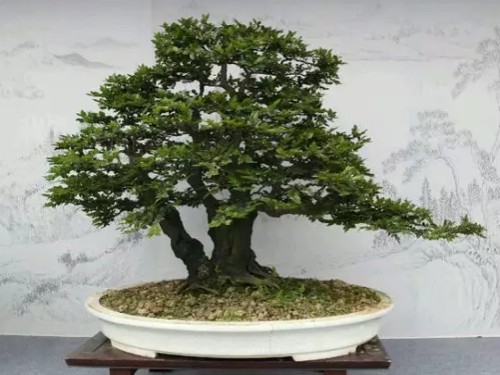
How to care for a Black Bone Tea bonsai? Master these key methods
Black Bone Tea, also called black ebony, is a tree species unique to the area around Taishan in Jiangmen and Yangjiang, Guangdong. It is a bonsai species newly discovered in the past decade or so. Because its growing range is relatively small, it grows slowly, is easy to care for, and can be artificially cultivated. As rare things are precious, it has attracted people's attention
条件筛选