Detailed Explanation of Key Points of Cage Rearing Technology for White-Feathered Broiler Chickens
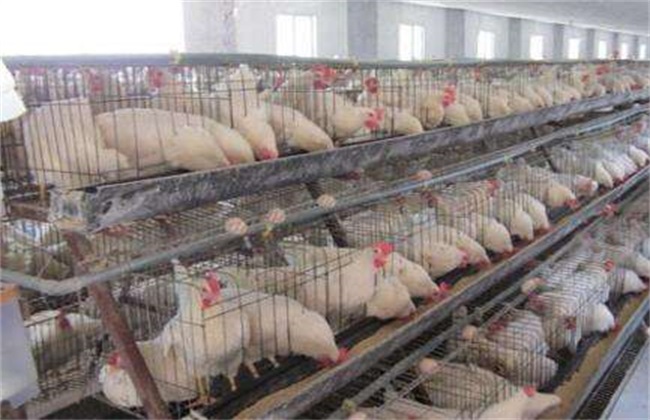
In recent years, the demand in our country's chicken meat market has only grown, never shrunk, and among the many broiler chicken breeds, the white-feathered broiler is the most popular. White-feathered broilers have many advantages, such as high feed conversion efficiency, low input, easy management, and fast weight gain. Therefore, the current scale of white-feathered broiler farming is very large, and the main rearing method for white-feathered broilers is cage rearing. So how should white-feathered broilers be raised in cages? Let's take a look together below at the cage rearing technology for white-feathered broilers!
1. Cage House Preparation
Before cage rearing, we must first prepare the rearing cages and house for the white-feathered broilers. The cages and chicken house should first be washed once with clean water, making sure to cover everything without leaving any dead corners. Because the cage rearing density of white-feathered broilers is relatively high, disinfection work is naturally indispensable. Disinfection should mainly be done by spraying or fumigation, as only this can ensure thorough, all-round disinfection. If disinfection is not thorough, it will have a great impact on later feeding and management. When disinfecting, control the amount of disinfectant used properly and rotate the types of disinfectant. During fumigation disinfection, the chicken house must be sealed tightly with no gaps, and the disinfectant should mainly be potassium permanganate or formalin.
2. Preparation Before Rearing
Before rearing, we also need to prepare various feeding utensils, such as feed troughs, waterers, and various disinfection tools. Besides these, the most important thing is the preparation of feed. The feed must meet the nutritional needs of white-feathered broilers. If it is a prepared complete-price feed, then pay attention to its storage time, which must not exceed half a month at most, to avoid feed spoilage. Then also prepare other rearing materials, such as fuel, vaccines, medicines, etc., and prepare them all completely as required. Finally, do a good job of preheating and temperature testing in the chicken house, creating a good growing environment for the white-feathered broilers.
3. Feeding Management
During cage rearing, we should control the feeding method well according to the growth stage of the white-feathered broilers. During the brooding period, manual feeding should be the main method; when adding feed, put the feed into the feed tray and let them eat freely. Feed about 6 times a day, following the principle of small amounts and frequent feeding to increase the feed intake of the chicks. Then during the growing period, the main filling method is feeding by feeder machine, and feeding about twice a day is enough. Adjust the number of feeding times according to the increase in the age of the broilers in days. When necessary, do a good job of manual feeding to avoid a lack of feed affecting the growth of the broilers.
4. Density Control
When white-feathered broilers are raised in cages, because the density is relatively high, we should also focus on controlling the rearing density well. During the brooding period, the cage rearing method is generally mainly a combination of whole-house brooding and upper-tier cage brooding. The rearing density during this period should be maintained at about 25 birds per cage, and basically no crowding will occur. Then during the growing period of the white-feathered broilers, the rearing density should be adjusted according to seasonal changes. In summer, the rearing density should be appropriately reduced, while in winter it should be appropriately increased. Usually, about 8-9 birds are raised per cage.
The above is a brief introduction to the cage rearing technology for white-feathered broilers. That is all for today's introduction. This article is for reference only, and I hope it can be of some help to everyone!