Is the Persian buttercup poisonous? Understanding the toxicity of the Persian buttercup and care precautions
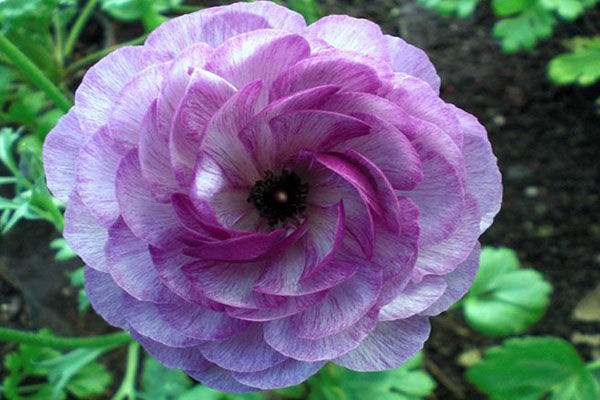
1. Cannot be touched
This plant belongs to the Ranunculaceae family, and all plants in this family are toxic. We can only admire it and cannot touch it casually. Generally speaking, it contains strongly volatile irritants, and if it comes into contact with the skin, it can easily cause inflammation and blisters. Therefore, everyone should still not touch it casually. Although this is not a very serious matter, good health is always better than a minor illness.
2. Cannot be eaten
Generally speaking, if cattle, sheep, horses, donkeys and the like eat it, they may be poisoned, and if humans eat it, adverse symptoms will also occur. In fact, its roots contain protoanemonin. If swallowed, the mouth will become burning hot, then swell up, after which chewing will become very difficult, and it will cause diarrhea, the pulse will also become slow as a result, breathing will be a major problem, and in addition the pupils will dilate. Therefore, in more severe cases it may even lead to death.
Besides the roots, its stems, leaves and fruits are all toxic, but quantity is still a major factor, because this plant tastes very pungent, so generally not many people eat it, and therefore the number of poisoned people will not be large either.
3. Medicinal value
Although it is toxic, in fact it also has potential for medicinal use. Generally, when used medicinally, it can reduce inflammation and relieve pain, and can also remove rheumatism, so it is relatively economical and practical, because it contains a great many chemical components. However, it is still not suitable for us to grow this plant indoors, because although it looks very beautiful, its volatility may pose a potential danger.