-
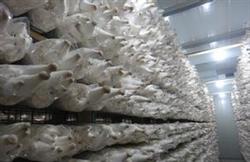
Key Techniques and Methods for Thinning Buds in King Oyster Mushroom Cultivation
During the cultivation of king oyster mushrooms, growers often fail to carry out the necessary bud thinning in time, which leads to many small mushroom buds growing on both sides of the mushroom bag after primordium differentiation, ranging from a few to as many as dozens. However, due to the limitations of nutrients and space, most of these buds cannot develop into marketable mushrooms and lose their commercial value...
-

Detailed Explanation of High-Yield Cultivation Techniques for Transplanting Oyster Mushroom Buds
In bed-style cultivation of oyster mushrooms, it is common for mushroom buds to grow unevenly, and this is even more serious in outdoor sunken-bed cultivation. Of these densely packed small mushroom buds, no more than 3 to 4 grow into edible mushrooms, and the vast majority gradually wither after three to five days. On one hand, this consumes a large amount of nutrients; on the other hand, if the withered mushroom buds are not dealt with in time, they will rot and deteriorate, causing pests and diseases and reducing the yield of the next crop. If these mushroom buds are selectively transplanted and cultivated, it can not only reduce pest and disease damage, but also increase yield by 20%. The method for transplanting oyster mushroom buds is introduced as follows: 1. Preparatory work. For transplanted
条件筛选