-

How to Grow Broadleaf Garlic? Detailed Explanation of Cultivation and Management Techniques
Plant name: Broadleaf Garlic Family: Liliaceae Variety (suitable for pot cultivation): Broadleaf Garlic Color: Light purple, purplish red General attributes - Region of origin: Central Asia - Bulb type/nutrient storage organ: Bulb - Variety habit *Height: 20cm *Flowering: Spherical, dozens of flowers *Flower shape: Star-shaped *Leaf color and shape: Blue-gray; oval - Requirements for breaking dormancy: Low temperature, 9°C
-
How to control broad mites in greenhouses and sheds? Understanding the occurrence pattern is key
In greenhouse fruit and vegetable production, curled and shrunken growing points of plants, deformed and cracked fruits are often seen, causing serious losses to production. Because the temperature and humidity inside the greenhouse are very suitable for the growth and reproduction of broad mites, and fruit vegetables are their main targets, and the mites are extremely small and invisible to people, timely control is impossible. Therefore, in recent years, the area of occurrence and damage has been growing larger and larger, which should attract great attention from producers. Broad mites belong to the class Arachnida, order Acariformes, family Tarsonemidae, and are harmful microscopic pests. They mainly damage cucumbers, eggplants, and tomatoes among greenhouse vegetables.
-
Broadcasting Methods and Key Sowing Techniques for Codonopsis pilosula
First rake off the surface dry soil, use a scraper to level the bed surface, evenly broadcast the seeds over the bed surface, lightly sweep the bed surface several times with a broom, mix the seeds into the topsoil, and then compact. After sowing, cover the bed surface with 1 layer of rice straw, millet straw, corn stalks, etc., and then water appropriately, keeping the soil moist regularly to facilitate seedling emergence. Sowing rate: 15 kg per hectare for drilling, 15-20 kg per hectare for broadcasting. Codonopsis pilosula seeds are small; to sow evenly, the seeds can be mixed with an appropriate amount of fine sand before sowing. Direct
-
-
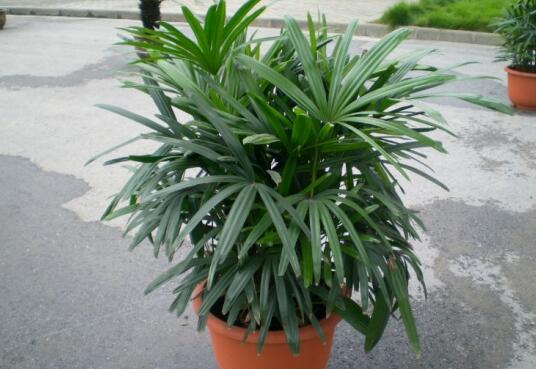
What to do when the leaves of broadleaf lady palm turn yellow: apply light fertilizer frequently, control the amount of watering, pay attention to shading
Broadleaf lady palm is a highly ornamental plant, and keeping it at home brings people many benefits. However, no matter how beautiful a plant is, if its leaves turn yellow, it will affect its overall beauty. So what should you do when the leaves of broadleaf lady palm turn yellow? Below, the editor will walk you through it. 1. What to do when the leaves of broadleaf lady palm turn yellow
-
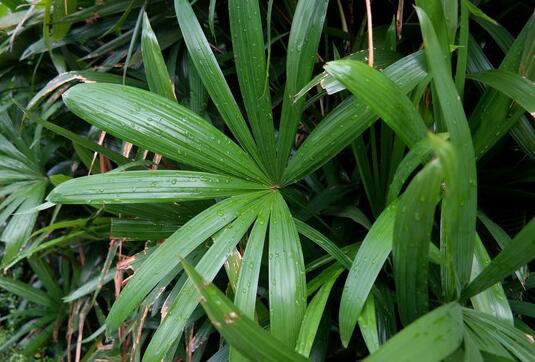
How to repot the broadleaf lady palm? Early March is the most suitable time for repotting
During the cultivation of the broadleaf lady palm, it needs to be repotted once every 2-3 years, which allows it to grow better. However, there are many things to pay attention to when it comes to repotting. So how do you repot a broadleaf lady palm? What are the precautions for repotting a broadleaf lady palm? Let us walk you through it below.
-
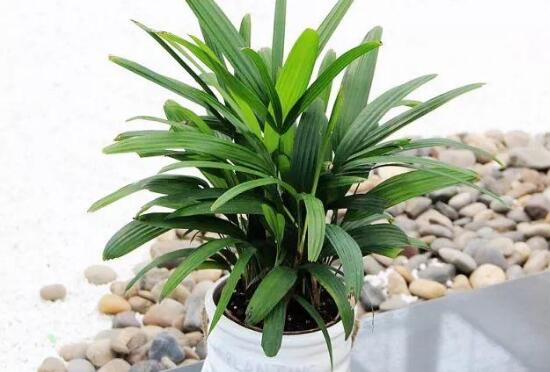
How to grow potted broadleaf lady palm? Warmth-loving care methods and precautions
Gardeners are probably familiar with the broadleaf lady palm, also called Guanyin bamboo; it is a common indoor ornamental plant. In daily life, because the broadleaf lady palm looks very dignified, it is favored by many gardeners. So how do you grow a broadleaf lady palm? For this, the editor has carefully compiled the care methods and precautions for the broadleaf lady palm, very comprehensive.
-
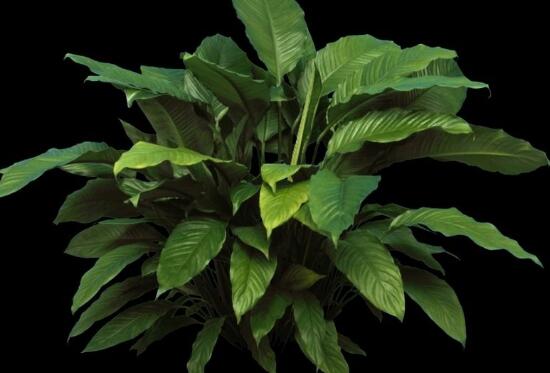
Aglaonema modestum: Benefits and Uses, Broad Leaves Ideal for Both Ornamental Display and Medicinal Purposes
Gardeners are certainly familiar with Aglaonema modestum. Its leaves are broad and green, and it is extremely shade-tolerant, making it very suitable for growing indoors. In everyday life, many people grow Aglaonema modestum, mostly because it looks beautiful. However, if you think Aglaonema modestum is only good-looking, you are greatly underestimating it
-
-
How to grow Rhapis excelsa (broadleaf lady palm)? Keep these care tips in mind
During the growing season of Rhapis excelsa, water should be sprayed on the leaves frequently; it is well suited to pot cultivation. Each fertilization should use a small amount but be done frequently. Organic fertilizer should be the main type, with trace fertilizers as a supplement. Rhapis excelsa needs a large amount of water; when watering, remember to pour from the growing point downward, letting clean water flow from top to bottom to the roots, keeping the potting soil moist
条件筛选