-

How Are Candied Jujubes Processed? A Full Breakdown of the Production Flow
Candied jujubes are dried preserves made from fresh jujubes. The processing technique is as follows: 1. Raw material selection: Generally, varieties with large fruit, small pits, loose flesh, thin but tough skin, and relatively little juice should be chosen. The best fruit maturity is when the green color begins to fade and the fruit turns milky white. 2. Grading: Grade the jujube fruits by size, removing deformed fruits, fruits affected by pests or disease, overripe fruits, and damaged fruits. 3. Slitting: To facilitate sugar penetration and flattening into shape, the fruit surface is usually slit. The jujube fruits are fed into the channels of a jujube cutting machine (slitting machine) to be slit, with the cutting depth
-
How to grow Dawn Redwood (Metasequoia glyptostroboides) from seed? A full breakdown of the key techniques
The techniques for growing Dawn Redwood from seed are: 1. Seed collection: Dawn Redwood flowers in early to mid-March, and the cones reach maturity from mid-October to early November of the same year. When the cone scales turn from green to yellowish-brown, crack slightly, and a small amount of seed falls out, the seeds are ready to collect. After the cones are collected, spread them out to air-dry or expose them briefly to the sun; the scales open and the seeds fall out. 2. Seed treatment: Before sowing, soak the seeds in cold water for 3 to 5 hours so they absorb water and swell fully, which aids germination and ensures even emergence. 3. Sowing: From late March to early April,
-
How to grow azaleas? A full breakdown of cultivation and management key points
(1) Potting and repotting: Use yellow mud + leaf mold as the main components, mix in a little river sand as the growing medium, ensure the soil is on the acidic side, and avoid heavy clay soil. When first potting, choose as small a pot as possible, then gradually move to larger pots; azaleas do not need repotting every year, and repotting and soil replacement should only be considered when the roots have filled the pot and water no longer drains out easily. (2) Cutting propagation: The plum rain season is the best time for cuttings, when the new azalea shoots are already semi-lignified and the temperature and humidity are suitable, which is very favorable for the rooting and survival of the cuttings. Take healthy new shoots about 5-7 cm long, remove the lower leaves, keep 3-4 top leaves, and use mountain soil mixed with yellow sand as the base
-
How to Store and Keep Sweet Potatoes Fresh? A Full Breakdown of the Technical Points
Sweet potato (Ipomoea batatas) is a traditional product of Shanting District. Since 2000, 3 townships in this district have processed sweet potato jujube for foreign trade companies every year, with an annual processing volume of 1.6 million kg of sweet potato jujube, and have thus developed a set of sweet potato cellar storage and preservation techniques with very good results. The key technical points are introduced as follows: 1. Cellar. Choose a place with relatively high terrain and soil mainly of red loam to build the cellar. The depth of the cellar is preferably about 3 m, and the two storage chambers for sweet potatoes should be no less than 1.8 m in height and no less than 2.5 m in length and width.
-
How to Safely Transport Live Fish? A Full Breakdown of Practical Methods
1. Sealed transport: Sealed transport places the fish and water in a sealed, oxygen-filled container for transport. Its characteristics are small volume and easy portability; for general adult fish transport, within 8 hours there is no need to change the water midway, the seal is tight, and the survival rate is high. A single oxygen fill can keep fry alive in the container for more than 20 hours, and it is even more convenient for long-distance transport of large quantities of fry and fingerlings. Methods such as oxygen-filled sealed transport in plastic bags and oxygen-filled sealed transport in plastic buckets can be used. 1. Oxygen-filled sealed transport in plastic bags: Fill the plastic bag with clean clear water, with the water volume accounting for 1/3 of the bag's total capacity
-

A detailed guide to kapok grafting propagation techniques, with a full breakdown of methods and steps
Kapok grafting propagation techniques
-
How to Propagate Rosemary from Cuttings? A Full Breakdown of the Detailed Method and Steps
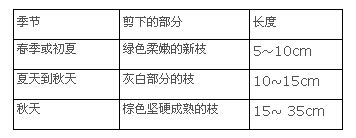
Rosemary cuttings can be rooted in soil or in water, then planted in soil once roots form. Gardeners can choose whichever propagation method they prefer. I. Rosemary water-rooting method: 1. Using clean scissors, cut new slender shoots from a healthy, vigorous rosemary plant. Be careful to avoid shoots with flowers.
-

Narcissus growing tips: a full breakdown of care essentials
Environmental requirements of narcissus 1. Narcissus prefers a warm, humid climate, and is especially suited to places with no severe cold in winter, no extreme heat in summer, and plenty of rain in spring. 2. It likes water and tolerates fertilizer, requiring loose, organic-rich, adequately moist neutral or slightly acidic loam, but it is also drought-tolerant and tolerant of poor soil. 3. Narcissus likes sunlight
-
How to care for air plants? A full breakdown of care methods for all four seasons
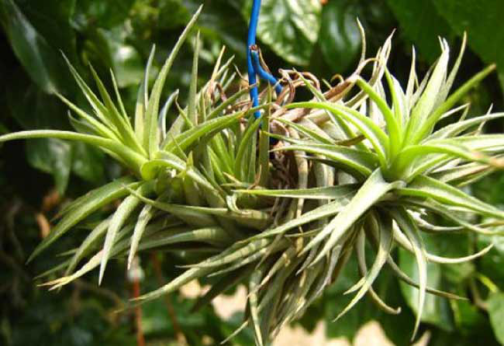
Spring Spring is the season most suitable for air plants to grow, with suitable temperatures and gentle light; keep the temperature below 28°C, and every variety can enjoy an all-day sunbath. With good ventilation, you can water freely. Summer Summer is the season that needs the most attention in terms of care; in June they can get half a day of light. In midsummer
-
How to grow edelweiss? A full breakdown of the cultivation methods
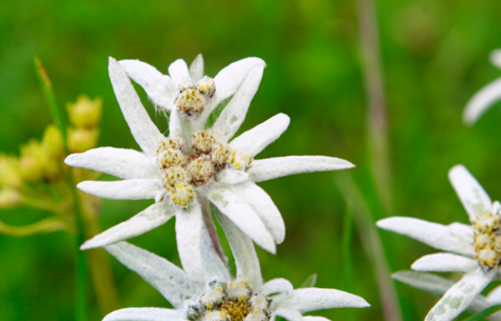
1. Soil: Edelweiss grows best in loose, fertile humus soil, so the potting soil should ideally be leaf-mold loam. After sowing, do not just leave it alone; once the seedlings emerge, they need thinning, and when the plants have 3 true leaves they can be transplanted into pots. During the growing season, the potting soil should not be too wet; slightly moist is enough. Fertilize once a month.
条件筛选