-

How to Break Garlic Dormancy? A Complete Guide to Methods and Tips
After the garlic bulbs are harvested, there is a physiological dormancy period of about two months. To sow early so that green garlic, garlic sprouts (blanched garlic shoots) and garlic scapes reach the market sooner, the dormancy of the seed garlic can be broken by the following three methods. 1. Low-temperature treatment method: From late July to early August, put the seed garlic into plastic woven bags, soak in cold water, and sow after 15-20 days under low-temperature conditions of 3-5°C; seedlings will emerge 3-7 days after sowing. 2. Moist garlic awakening method: 15-20 days before sowing, soak the seed garlic in cold water for 5-10 minutes, take it out and drain, then spread it flat on
-
What to Do When Oyster Mushroom Mycelium Breaks or Degenerates? Causes and Prevention Methods
After inoculation, normally growing mycelium is dense and pure white, advancing forward in a fan shape, and the cottonseed hull substrate decomposed by the mycelium turns yellowish-brown. If a section of mycelium breaks and becomes disconnected, it is called "mycelium break." This situation is caused by excessive water content in the substrate and high temperatures during cultivation. Choosing appropriate humidity and temperature can prevent the "mycelium break" phenomenon. The degeneration and shrinkage of mycelium that has already grown well on the substrate is called "mycelium degeneration." If the substrate is too dry and too loose, the mycelium that grows will be thin and weak; excessively high temperatures during cultivation, poor ventilation, or pest infestation
-
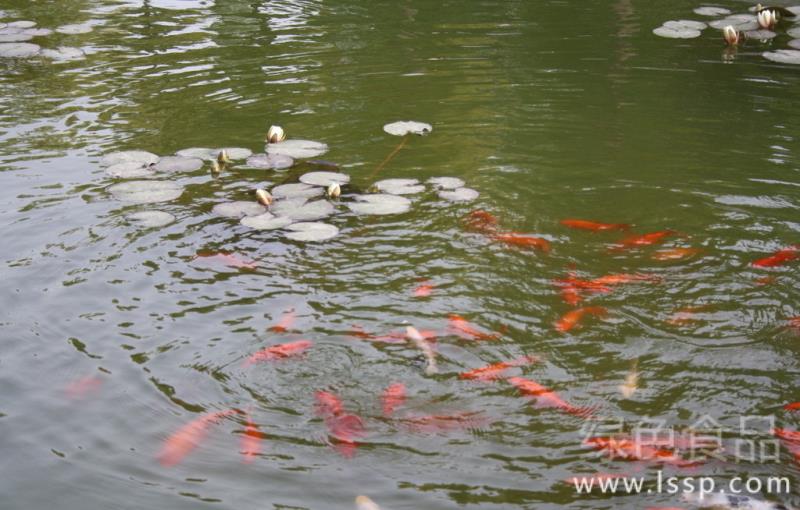
How to scientifically manage fish ponds when diseases break out frequently under high summer temperatures
How to manage fish ponds well in summer when diseases break out frequently under high temperatures
-
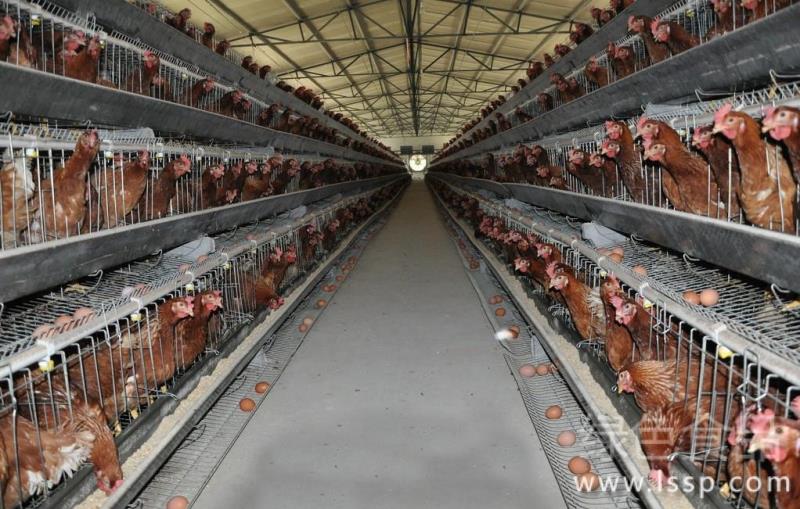
How to Reduce the Egg Breakage Rate and Cut Losses in Laying Hen Profits
Egg breakage affects laying hen profits; how to reduce the egg breakage rate
-
New breakthrough in the treatment of self-biting syndrome in foxes, raccoon dogs and minks
Self-biting syndrome is a common disease of captive fur-bearing animals such as foxes and minks. In recent years, it has occurred in many farms and households in China, causing great economic losses. There had been no specific prevention or treatment measures for this disease, and the key point was that the cause had not been identified. Regarding the cause, people had put forward many hypotheses or claims, but these had not truly served to guide prevention and treatment. Since the early 1990s, researchers have carried out some research work on the cause of the disease. In the course of research and experiments, the cause of self-biting syndrome was identified,
-
How to prevent and treat fish outbreak of hemorrhagic disease in autumn
Fish are prone to outbreak hemorrhagic disease in autumn. This disease has a sudden onset, spreads quickly, lasts a long time in its epidemic period, and has a high mortality rate and causes great losses. Once it breaks out, it is difficult to control, and the condition easily recurs. Fish farmers should strengthen their awareness of prevention to prevent the occurrence of this disease. 1. Fish fry disinfection: Before fish fry are put into the pond, they must be disinfected by soaking in 1%-2% salt water. The soaking time depends on the fish's physique and the temperature. When conditions permit, fish fry can be soaked with outbreak hemorrhagic disease vaccine. 2. Timely water changing and oxygen increasing: Keep the water quality fresh and change the water frequently. If
-
What to Do If a Dog Breaks a Bone? A Detailed Look at Common Surgical Diseases in Dogs
[Causes] Various direct or indirect forces can cause fractures. For example, falls, twisting or spraining during running or jumping, crushing by heavy objects, muscle traction, and sudden intense contraction can all cause fractures. In addition, in puppies suffering from rickets, osteomalacia and other diseases, fractures of the long bones of the limbs often occur even when the external force is not great. [Key Points of Diagnosis] The characteristic symptoms of fracture are: deformation, displacement of the two fracture ends (such as angular displacement, longitudinal axis displacement, lateral displacement, rotational displacement, etc.), and the affected limb showing abnormal postures such as shortening, bending,
-
Important breakthrough made in hybrid japonica rice breeding
On the 18th, the reporter learned from the Shanghai Academy of Agricultural Sciences that agricultural scientists in Shanghai have made a breakthrough in hybrid japonica rice breeding in the Yangtze River Basin. Following the acquisition of the first hybrid late japonica rice restorer line in the Yangtze River Basin to obtain national plant variety protection rights, the first southern hybrid late japonica rice combination to pass national variety approval has also been bred. At present, a series of strongly heterotic combinations have become an important support for the "seed source" of hybrid japonica rice in the Yangtze River Basin. Researchers from the Crop Breeding Institute of the Shanghai Academy of Agricultural Sciences used intermediate materials between indica and japonica subspecies as "bridge parents"
-
What Is the Current State of the Silkie Chicken Market? A Full Breakdown of Raising Precautions
The Silkie chicken is one of China's precious chicken breeds. It gets its name from its black skin and black bones, and it is renowned at home and abroad for its high tonic, medicinal and ornamental value. Its breeds include the Taihe Silkie and the Chinese Black Phoenix chicken, among others. The feeding and management of Silkie chickens is basically similar to that of other chicken breeds. 1. The current market state of Silkie chickens. In recent years, as people's health awareness has increased, market demand for Silkie chickens has risen sharply. At present, Silkie chickens are in fairly short supply in most rural markets in China, and prices are climbing. Therefore, farmers who seize this favorable opportunity to raise Silkie chickens in small batches or large
-
How to control the black locust geometer moth? A full breakdown of practical methods
Control methods for the black locust geometer moth: 1. Manually dig the pupae out of the soil and feed them to poultry. 2. During the adult emergence period, pile sand at the base of the trunk or tie a 5 to 7 cm wide plastic film band to prevent the wingless moths from climbing the tree. 3. During the young larval stage, spray a 3000-fold dilution of 20% diflubenzuron, or a 2000-fold dilution of 50% phoxim emulsifiable concentrate or 20% fenvalerate insecticide emulsifiable concentrate. 4. Use light traps to kill the adults.
条件筛选