-

Retained placenta in livestock can be treated by boiling Angelica sinensis in sweet rice wine
Retained placenta in livestock is a relatively common condition among obstetric diseases. Under the guidance of my father, the author has used Angelica sinensis boiled in sweet rice wine to treat retained placenta in livestock, with obvious results. "Angelica sinensis," which some farmers call "blood skin vegetable," has been used by the author since 1988 to treat 22 cases of retained placenta in yellow cattle and water buffalo, 1 case of retained placenta in a dairy cow in June last year, and 1 case of retained placenta after miscarriage in livestock (a pig) in May this year, all with practical results. This medicine is simple to use, economical, and convenient, and is hereby reported as follows for the reference of colleagues. 1 Drug processing
-
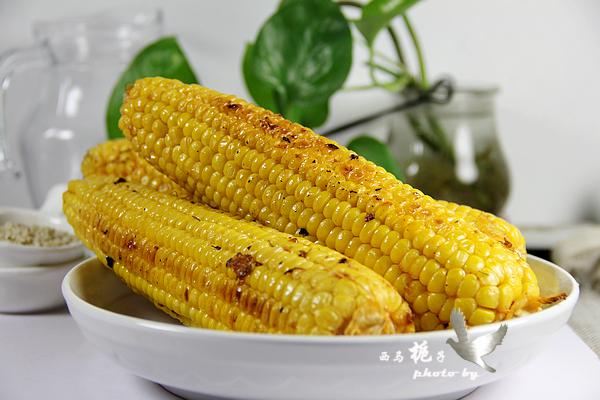
Stop just boiling corn, add one seasoning for a new flavor
Are you still just boiling corn? Change it up a bit, just add one seasoning and give it a try, it's
-

How can fig trees be planted for a higher survival rate? What is the folk remedy of boiling fig leaves in water?
I believe friends who like eating fruit will all know the "fig." It is a perennial deciduous shrub, and its fruit is pear-shaped, turning purplish-red or yellow when ripe. In terms of edible value, it is rich in vitamins and minerals and has many benefits for human health. At the same time, some people among the folk also boil its flowers and leaves in water,
-

The Principles of the Boiling-Water Stem Method and a Detailed Guide to Suitable Cut Flowers
When you buy fresh flowers and take them home, do you often find them wilting by the next day? Today I will teach you a super practical boiling-water stem preservation method. It is simple to do and can also extend the vase life. 1. Why do you need to scald the stems? When the temperature rises, fresh flowers dehydrate very easily, and the flower heads wilt and droop at the slightest provocation. 2. The principle of scalding the stems, put simply, is
-
How to Make Tofu from Autumn-Harvested Soybeans: A Home-Style Method from Bean Selection and Coagulant to Setting
How do you make tofu from autumn-harvested soybeans? This article explains the key points of harvesting and sun-drying soybeans and selecting beans, as well as the complete process of soaking beans, grinding the slurry, boiling the slurry, adding coagulant, and pressing, with notes on the false-boiling phenomenon, so even beginners can make good tofu.
-
-
-
-
-
条件筛选