-

Don't mix pesticides blindly - remember these three rules
Pesticides are a particular thing, a medicine that follows rules; while killing insects and preventing disease, they must also be used skillfully to play their greatest role, otherwise blindly mixing them on a whim will not only...
-

Rex rabbit farming carries risks, so never follow the trend blindly
Never follow the crowd blindly when farming Rex rabbits
-

Rice grown on transferred land makes it into major supermarkets through blind taste tests
Rice grown on transferred land enters major supermarkets through blind taste tests
-
Tuliu.com "Big Data": Putting an End to Blind Land Transfers
Tuliu.com "Big Data": Putting an End to Blind Land Transfers
-
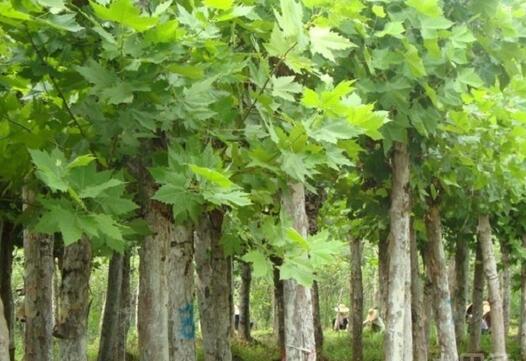
Is growing London plane seedlings profitable? Farmers blindly following the trend drives prices down
Is growing London plane seedlings profitable? Farmers blindly following the trend in planting London plane trees drives prices down
-
Garlic prices make a comeback; analysts warn against blindly expanding planting
"Garlic you ruthless" makes a comeback; analysts remind: do not blindly expand planting
-
Lifetime ban on food crime offenders must be fully implemented with no blind spots
Ensure "lifetime ban on food crime offenders" leaves no blind spots
-
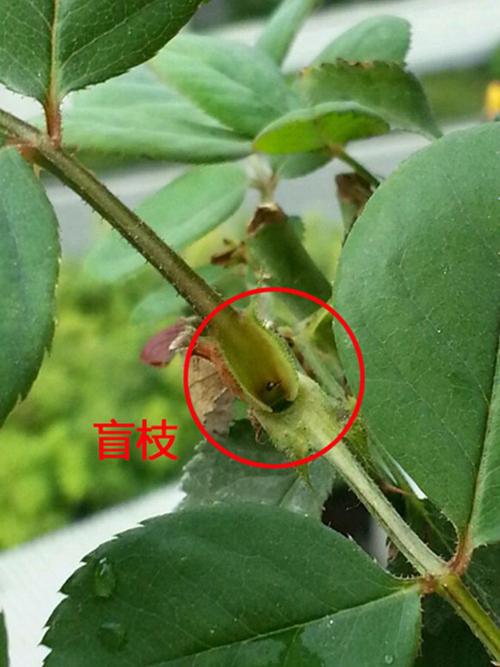
Why isn't your rose blooming? Learn to identify and prune blind shoots
Many people nowadays love growing roses, but in the process of growing them, when everyone else's roses are blooming, why won't your own roses bloom? It turns out blind shoots have appeared. How do you identify blind shoots? What is the correct way to prune them? As long as roses are cultivated properly
-
What causes blind stems and blind flowers in tulips?
Tulips are perennial bulbous herbaceous plants of the genus Tulipa in the lily family. They have an upright stature and large, colorful flowers, with high ornamental value. However, if not properly cared for, tulips are prone to blind stems and blind flowers. The symptoms of blind flowers are as follows: the branches and leaves develop normally; in weak-growing plants, the flower buds dehydrate and appear white, pointed like a leaf tip, and the flower stem shrinks; in strong-growing plants, the flower stem is short, the petals remain green or white, and they curl together with the stamens and pistils, unable to open fully. Blind stems mean that the aboveground part of the plant produces only one oversized leaf, with no leafy branches
-
Tulip Blindness Prevention and Cut Flower Production Techniques
Tulip (Tulipa gesneriana L.), also known as foreign lotus and grass musk, is a perennial bulbous ornamental flower of the genus Tulipa in the Liliaceae family. It is one of the most famous flower varieties in the world today and has long been known as the "king of flowers" [1,2,3]. China still lags behind in box-type cut flower production technology, the causes of blindness formation, and prevention techniques for tulips, which has restricted the development of tulip cut flower production. The flower base of the Hebei Academy of Forestry Sciences, while vigorously developing soilless cultivation of tulips, has conducted preliminary research on
条件筛选