-
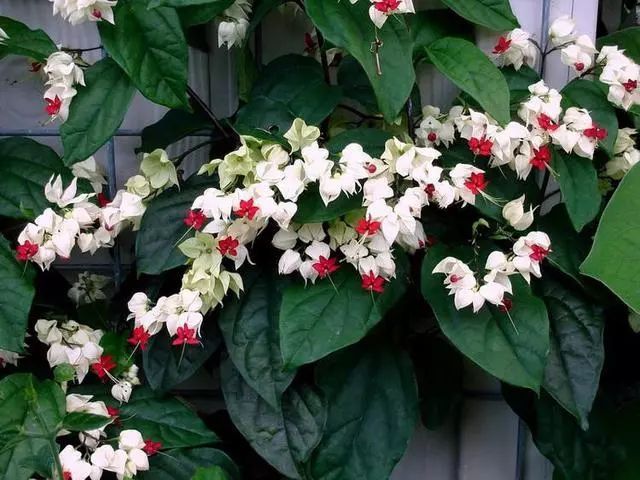
Bleeding Heart Vine has a unique flower shape, is easier to grow than pothos, blooms for over 200 days, and makes a beautiful bonsai
The flowering plant I'm sharing with you today is the Bleeding Heart Vine (Clerodendrum thomsoniae). It's easier to grow than pothos, blooms for over 200 days, and can even be trained into a bonsai. Its flower shape is unique, and when it blooms it looks like little creamy-white "star fruit." At the cracks on its tips...
-

Detailed explanation of the grafting method for bleeding heart, a step-by-step guide to correct operation
Bleeding heart is a variety that many flower enthusiasts greatly enjoy. After successfully cultivating bleeding heart, some enthusiasts want to propagate it themselves, and grafting is an excellent choice for bleeding heart. Before grafting bleeding heart, first select a suitable peony variety for pot cultivation
-
What are the key points for propagating bleeding heart? Explained clearly in one article
Bleeding heart (Lamprocapnos spectabilis) is a perennial herbaceous flowering plant. It is named this way because its leaves resemble those of the peony and its flowers resemble a pouch. Bleeding heart can be said to be another kind of Chinese rose; giving it to a lover carries the same meaning as a rose. Bleeding heart can be propagated by division or by cutting the rhizome into sections.
-
How to propagate Bleeding Heart Vine? Master these propagation key points
Bleeding Heart Vine (Clerodendrum thomsoniae) is a semi-climbing vine, so pot cultivation is limited by pruning, which keeps the plant quite short. Because Bleeding Heart Vine has strong adaptability, grows easily, and produces many flowers, if you prune promptly after the flowers fade in summer, it may bloom a second time before the end of the year. Generally
-
Bleeding heart is the top choice for growing flowers, blooming in strings more beautiful than wind chimes
As someone who has seen countless flowers, Huahua can be said to have a strong resistance to beautiful things, but the first time I laid eyes on the flowers below, I was caught off guard and amazed... These flowers are like wind chimes Gardening Encyclopedia Summer snowflake...
-
What kind of vine is Bleeding Heart Glorybower (Clerodendrum thomsoniae)?
Bleeding Heart Glorybower is a perennial plant of the Verbenaceae family. Generally, when grown in pots, it is kept quite short due to the restriction of pruning. In fact, it is a semi-climbing vine whose branches can reach over one zhang (3.3 m), and because this flower is relatively robust and easy to grow and produces many blooms, it is a very beautiful potted plant.
-
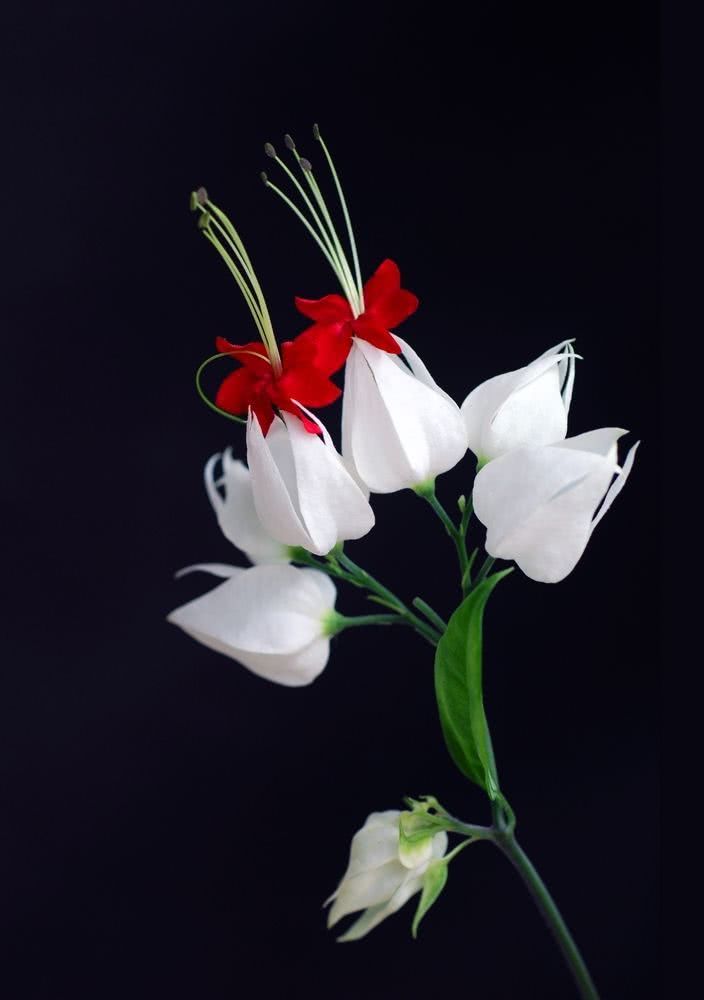
Bleeding heart vine has a stunning appearance and is a highly attractive ornamental flower.
Bleeding heart vine: a shrub in the Verbenaceae family, young branches four-angled, covered with yellowish-brown short tomentum, hairless when old. Leaves papery, narrowly ovate or ovate-oblong, apex acuminate, base nearly rounded, margin entire; cymes axillary or pseudoterminal, dichotomously branched...
-
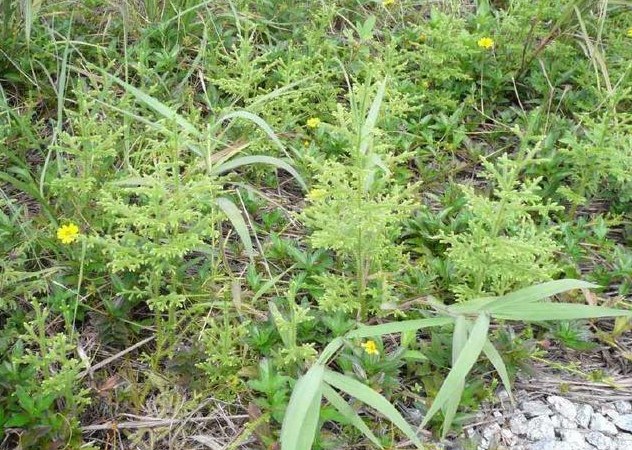
The wild grass by the grave can clear the lungs and treat the liver, and can also treat uterine bleeding
Today I'm going to introduce you to a kind of wild grass that grows by graves. This wild grass is called lantern grass, and as the name suggests, its fruit looks very much like little lanterns. This lantern grass is extremely common in the countryside...
-
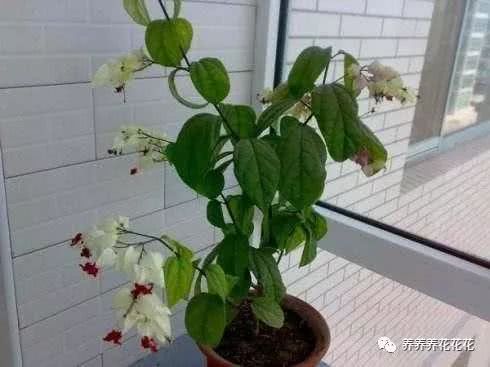
Bleeding Heart Vine Leaves Wilting After Repotting? Do This and It Will Recover in a Few Days
Xiao Qi Teaches You How to Grow Flowers Step by Step: After repotting Bleeding Heart Vine, the leaves wilt. This is normal. Generally, after repotting, plants will show leaf wilting. This is because the roots get damaged after repotting. Once damaged, the roots' absorption func...
-
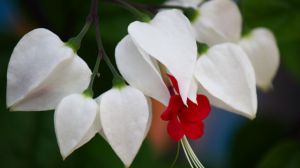
How to Grow and Care for Bleeding Glory-Bower (Clerodendrum thomsoniae)
Soil: To grow bleeding glory-bower, it is best to use well-drained, fairly fertile and loose soil. Light: Sunlight should be plentiful; when the sun is intense, shade it appropriately. Watering: Just keep the soil constantly moist, and be sure not to overwater. Fertilizing: During flowering, fertilize once every 7-10 days; do not fertilize too frequently, and do not use too much at a time.
条件筛选