What should be done about tail biting in pigs? An analysis of prevention and control methods for pig farmers
What should we do about tail biting in pigs???
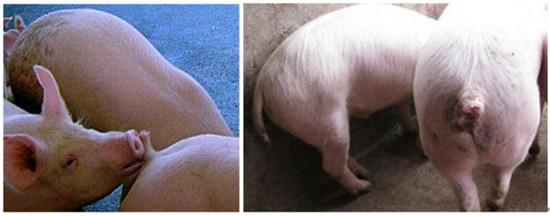
Handling methods
1. Isolation: if the first bite wound is found on a pig's tail, both the bitten pig and the pig doing the biting can be isolated from the pen, which prevents the problem from spreading.
Handling methods
1. Isolation: if the first bite wound is found on a pig's tail, both the bitten pig and the pig doing the biting can be isolated from the pen, which prevents the problem from spreading.
If nothing is done, you run the risk of a bigger problem. For example, an infected tail can be so itchy that the bitten pig actually enjoys being bitten. And the pig doing the biting has tasted blood, which leads to the whole group of pigs being bitten.
Tail biting mostly stems from
redirected exploratory behavior. Pigs start biting tails or ears. Once they taste blood, things go from bad to worse. Pigs love the taste of blood. It is not aggression that causes the biting, but pure enjoyment.
2. Tail docking: dock the tails of piglets immediately at birth. So when sows farrow on large pig farms, newborn piglets get the "three cuts": first tail docking, second ear tagging, third umbilical cord cutting.
Other prevention methods: hang iron rings, car tires, wooden strips, ropes and salt licks in the pig pen, and you can also place straw, cinders or coal lumps in the pen to divert the pigs' attention.