-

How to rescue azaleas after frostbite? Teach you the correct remedy
Although azaleas like cool, humid conditions and fear dry heat, frostbite can still occur when buying flowers in winter or during care. When this happens, handle it as follows: when the temperature drops below 0°C, a thin layer of ice will form on the outside of the flowerpot, the surface of the potting soil will also freeze, and the leaves will be frozen stiff. At this time, do not rush
-

Which parts of fruit trees are prone to frostbite in winter
Locations where fruit trees are prone to frostbite in winter
-

Antidote to snakebite hidden in the immune system
New research suggests that immune cells called mast cells help protect mice from certain snakebites and bee stings. Although mast cells are best known for their role in helping produce the symptoms of anaphylactic shock, asthma and allergies, scientists also recognize other supporting roles these cells play in the immune system's fight against infection. The venom of many insects and reptiles contains chemicals that can activate mast cells, so researchers generally believed that mast cells' role was to worsen the harm of snakebites or insect stings.
-
How spicy is this red chili? One bite and it hits you right in the head
According to a Daily Telegraph report on April 1, this red chili called "Naga" grown in Dorset is so spicy that the people who grow it have to wear gloves when peeling the chilies to sow seeds, and their bodies must be positioned upwind so that their eyes do not get stung. Joan Michaud, who grows this red chili with her husband Michael Michaud in West Bexington, said: "I wouldn't eat this stuff, but some people will definitely like it." Heat test: Naga is terrifying American spice trade
-
What to do when deer bite wool? Rock salt can be used for prevention and control
Deer wool-biting disease, also called pica for wool, is a chronic metabolic disease caused by disorders of the digestive tract and nervous system functions, resulting in abnormal taste. The main causes are that in late winter and early spring, long-term feeding of rain-soaked, sun-dried hay or improper feeding management, incomplete nutrition, and excessive deer herd density can all cause the disease. The incidence rate sometimes reaches 100%. At the beginning of the disease, only individual deer gnaw and bite, and later most deer bite each other, and some also eat the bitten-off wool, swallowing it in clumps after slight chewing, and as the stomach moves it can roll into
-

Kaohsiung Xiaogang Airport quarantine officer let prohibited meat products slide? It's fake! The Council of Agriculture held a late-night press conference to condemn the false report
Kaohsiung Xiaogang Airport quarantine officer let prohibited meat products slide? It's fake! The Council of Agriculture held a late-night press conference to condemn the false report
-
Crackdown on prohibited pesticides launched in Dalingshan Town, Guangdong
Dalingshan Town in Guangdong strictly investigates prohibited pesticides
-

What nutrients can you get from a single bite of vegetables?
From the image, we see the absorption rate of calcium. Although milk is claimed to be very high in calcium, unfortunately, its absorption rate is only 30 percent...
-
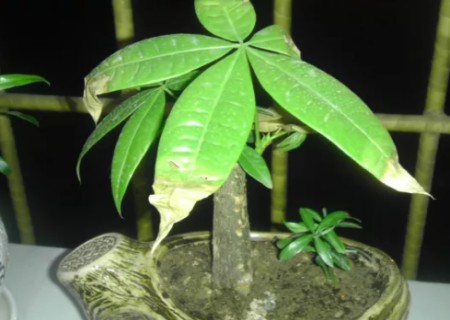
What to Do If Your Money Tree Gets Frostbite? Teach You the Correct Remedial Methods
It is now deep winter, and many plant enthusiasts are worrying about frostbite appearing on their money trees (Pachira aquatica). Indeed, after all, the money tree does not have strong cold resistance. If winter care and management work is not done properly, it can easily lead to frostbite, and in severe cases, it may even freeze to death! Frost damage in money trees
-
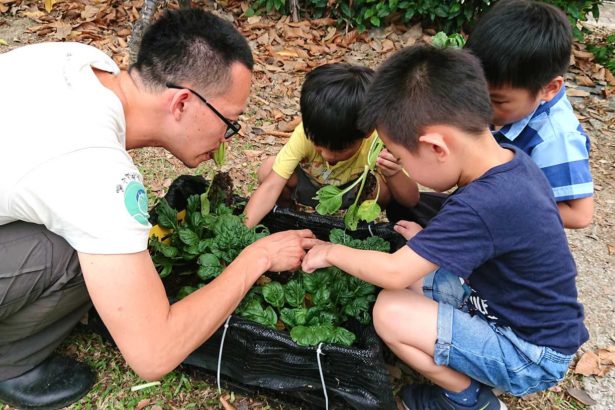
Farmers' market goes into kindergarten: kids love eating bean sprouts they grew themselves, and the white butterflies come to steal a bite
When the farmers' market goes into the kindergarten - kids love eating the bean sprouts they grew themselves, and the white butterflies are so cute, don't come and steal a bite
条件筛选