-

A Detailed Guide to Selecting and Growing Birch Seeds
In rural areas, people can see many different kinds of trees, and the birch tree is one of them; it is mainly distributed on hillsides and in forests. Birch sap has certain health benefits, its ornamental value is also relatively high, and its economic value is good too, so growing this tree has promising prospects
-
Where do hazelnuts come from? A look at the latest main producing regions
The hazel tree is a nut tree species in the birch family, genus Corylus. There are about 20 species worldwide, widely distributed in the temperate regions of Asia, Europe and North America. Nine species have been confirmed by academia, namely the American hazelnut, European hazelnut, Turkish hazelnut, etc., but the only one with real edible value is the European
-
A Detailed Tutorial on the Latest Hazelnut Planting Techniques and Methods
The hazelnut is a shrub or small tree of the genus Corylus in the birch family, one of the world's four major dried nuts, with strong adaptability, able to grow in mountainous areas, hilly land, gullies and riversides; planted artificially it begins to bear fruit in 2-4 years, enters full fruiting in 5-7 years, and wild hazel stands reclaimed by hand show obvious economic returns in 2-3 years
-
What are the latest planting conditions for hazelnut trees?
The hazelnut tree is a shrub or small tree of the genus Corylus in the birch family, one of the four major dried nuts, and has very high planting prospects. It usually grows wild in shrub thickets on shady mountain slopes at altitudes of 200-1000 m, has strong cold resistance, prefers a humid climate, and is relatively light-loving; sufficient sunlight can promote its growth
-
How much does a white birch sapling cost? Detailed planting methods
The white birch is a very beautiful tree, not only is its trunk straight and slender, but its bark is pure white and pristine, making it extremely eye-catching. White birch mainly grows in northern regions because it cannot tolerate high temperatures. The white birch also has high economic value and is the ideal choice as a street tree.
-
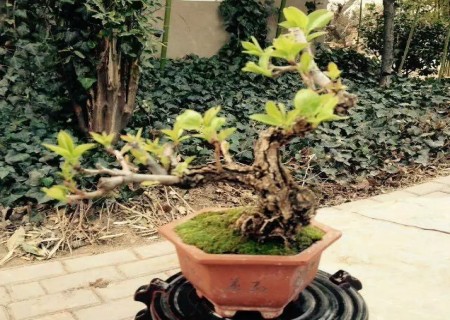
Detailed Explanation of the Making Methods and Steps of Tangli (Birchleaf Pear) Bonsai
When the green carp comes, I hear from afar the spring stream shattering sound by sound; I smell the light yellow buds first opening on the tangli I planted with my own hands. When Minor Heat quietly passes, the new pears gradually hang low, and I invite the neighbor girl from the east to gather fruit and stroll slowly home. Last year I gathered fine snow from the branch tips; today crimson pear leaves drift down, lightly kneading two or three strokes of grass color into the scroll, sipping spring wine and only then feeling its faint sweetness. Still it is the season for loving the two words "startled swan" as I drift into dreams
-
Key Technical Points for Planting Birchleaf Pear Rootstock Seedlings in the Rainy Season
Birchleaf pear (Pyrus betulifolia) is an excellent rootstock for grafting pear cultivars, being drought-resistant, cold-resistant and tolerant of poor soil. It is generally planted in spring and autumn, but in remote mountainous areas short of water, the difficulty of transporting water and spring drought often affect the survival rate of planting. Fruit growers in our region have experience with planting birchleaf pear rootstock seedlings in the rainy season, which gives a high survival rate, rapid orchard establishment and low cost. The specific methods are as follows. 1 Plant after the continuous rainy season arrives, when the underground water content is close to saturation; planting in the rain or rushing to plant before the rain is best. 2 Dig up birchleaf pear sucker seedlings from nearby hillsides; generally a seedling diameter of 0
-
-
-
条件筛选