-

How to Grow and Care for Tuberous Begonias
Tuberous begonia is a plant in the Begoniaceae family. Its flowers are large and beautiful, combining the grace, color and fragrance of famous flowers such as camellias, peonies and Chinese roses, making it the crown of the begonias. Below we introduce the growing methods for tuberous begonias. 1. Soil Tuberous begonias require loose, fertile
-
How to Grow Begonias? Detailed Guide to Cultivation Methods and Care Tips
The soil for cultivating begonias should be loose and fertile; compost soil, leaf mold and charcoal soil can be used. Normally place it in a spot with scattered sunlight for care; in summer move it to a semi-shaded spot indoors, and in winter move it to a spot with ample sunlight where the temperature is not lower than 10°C. Water frequently to keep the soil moist, but not
-
Why Potted Wax Begonias Do Not Bloom and How to Care for Them
There are many varieties of begonia, and among them, the wax begonia (four seasons begonia) is one of the more common and widely grown varieties in daily life. Why does everyone like the wax begonia? Because its greatest feature is that it blooms in all four seasons, and its colors are bright and beautiful, with clusters of blossoms and a natural fragrance.
-
What to Do About Root Rot in Rieger Begonias? A Detailed Guide to the Latest Treatment Methods
The Rieger begonia (Begonia × hiemalis) is a flowering plant that is deeply loved by the public. Not only are its flowers beautiful, but its leaves are also emerald green and large. Grown as a potted plant, it has very high ornamental value. Moreover, the Rieger begonia's flowering period is also very long. As long as the potted environment is suitable and the care work is done
-
How to Pinch Back Rieger Begonias? A Detailed Guide to the Latest Method
Rieger begonia (Begonia × hiemalis) is a flower that is very well suited to decorating indoor spaces in winter. Its colors are rich and varied, and its blooms are large and full. When it flowers, placing it at home lets you enjoy pleasing blossoms and also sets off the festive cheer. But if you want Rieger begonia to bloom
-
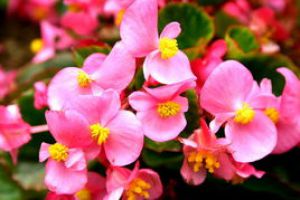
How to deal with root rot in wax begonias? Detailed rescue methods
Once root rot occurs, the leaves and flowers of the wax begonia will become wilted and droopy, ruining its ornamental value. If we want to deal with this problem, we need to take corresponding measures according to the condition of our own plant: if unsuitable soil is causing the root rot, then replace it with breathable soil; if too much fertilizer is causing the root rot, then neutralize the fertilizer; if waterlogging in the soil is causing the root rot, then drain the water out; and if the situation is relatively serious, we need to cut off the rotted roots and regrow the plant.
-

What soil is best for growing wax begonias?
We know that one of the things plants need most while growing is potting soil, so what kind of soil should wax begonias actually grow in? Our top recommendation is nutrient soil, because this kind of soil contains a great many minerals, is very loose and soft, has a high capacity to retain water and fertilizer, and is free of pests and diseases; in addition, light clay soil, leaf mold, and nutrient-rich potting soil are all good choices.
-
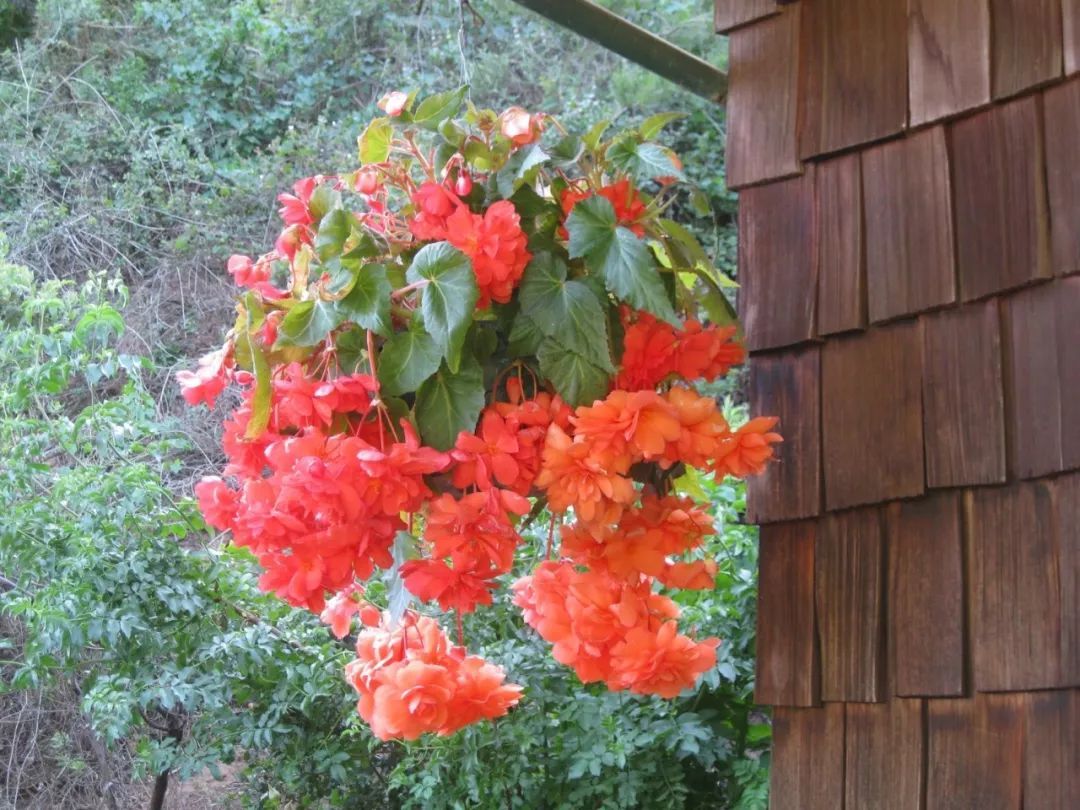
How to grow potted begonias indoors? 7 methods to make them bloom all year round
Begonias are very suitable potted flowers for growing indoors. They like cool, shady environments with scattered light, and can also be grown in combination with other flowers. They are actually a tropical perennial flower, very suitable for indoor potted care, and with proper care...
-
Wax begonias bloom all year round and are easy to care for; they can grow indoors
Wax begonia, also called bedding begonia, is a potted flower I really love. It likes a warm, humid environment with plenty of sunlight, and with proper care it can bloom all year round. I generally grow it as a perennial, ...
-
Grow wax begonias this way, and before you know it, they'll fill a whole pot
To sow wax begonias, choose a pot that is well aerated and well drained and slightly shallow, along with loose, nutrient-rich soil, and pick April or May as the sowing time. When sowing, first put the coarser soil in the lower half of the container...
条件筛选