-

What preparatory work needs to be done before buying calves?
What preparations should be made before buying calves
-

Before repotting flowers, here are the precautions you need to know
In the March days when grass grows and orioles fly, it is the perfect season to repot plants! However, how can you repot without harming the flowers and plants, and at the same time give them a beautiful and comfortable new home? Today, the homepage editor will focus on explaining the various precautions for repotting! The two sides of repotting: if you want to give plants a larger living space
-

What are the care methods for plum blossom before winter
1. Strengthen the management of fertilizer and water. After the beginning of autumn, apply an organic fertilizer liquid to the pot soil once every 7-10 days, mainly phosphorus fertilizer, and at the same time apply 1-2 additional applications of a 0.1%-0.2% potassium dihydrogen phosphate aqueous solution, and be careful to prune away the tender shoots that sprout in autumn, because the tender shoots cannot mature by the beginning of winter
-
Which flowers cannot be kept at home? Understand clearly before growing flowers
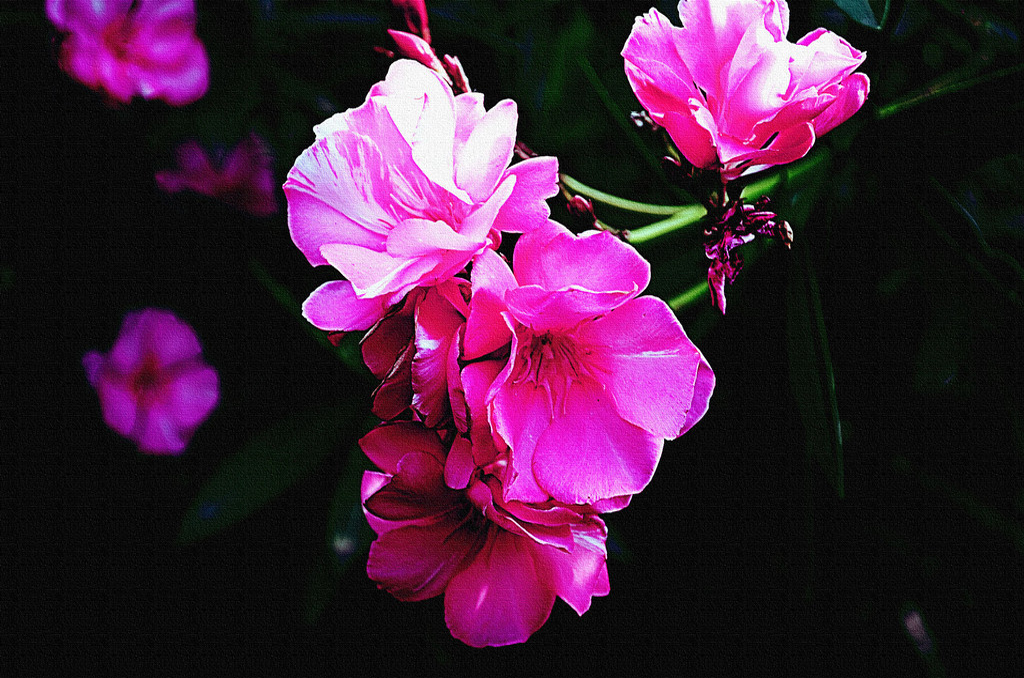
Oleander. Oleander is a common plant in the south. The flowers of oleander are fragrant. The flowers grow mainly at the tips of the branches, clustered together like an open umbrella. Oleander flowers are funnel-shaped, with overlapping petals, in three colors: red, yellow and white, among which red is its natural color
-

Is Amaryllis Poisonous? Learn About Its Toxicity Before You Grow It for Peace of Mind
Recently, quite a few readers have emailed us asking: is amaryllis poisonous? Is amaryllis also called "Hedinghong" (red arsenic), and is it toxic? I say amaryllis is basically not poisonous. Yes, some people do call it Hedinghong. In fact, its other names are: baizhilian, huazhoulan, gutinghua, also called baiquilian, zhudinglan, and also zhudinghong, among others.
-
What are the precautions before fish farming
1. Diversify the shape of fish ponds: Fish ponds are often rectangular or dug-pond style, so as to give full play to the three-dimensional benefits of the aquaculture water body. The area of a single fish pond is generally about 0.067 hectares (mu, the same below), the pond depth is 2.5-3 m, the length-to-width ratio is 5:3, and the side slope coefficient is 2-3. In construction and shaping, it is possible to start with the easy and then the difficult, and build some transitional fish ponds, such as "concentric"-shaped, high-low type, "grid"-shaped, "field"-shaped and other shapes, among which the "concentric"-shaped fish pond is the most ideal transitional fish pond. 2. Promptly provide a matching irrigation and drainage system: requirements
-
A Detailed Guide to Managing Wheat Seedlings Before Winter by Leaf Color
1. Causes of yellow leaves in wheat seedlings and their management. First, soil drought, which mostly occurs in wheat fields with insufficient subsoil moisture or where moisture escapes through cracks in the soil. Its characteristics are slow tiller emergence, grayish-green leaf color, short and small heart leaves, slow or stalled growth (known as "shriveled-heart seedlings"), gradual yellowing and drying of the middle and lower leaves, and few, thin roots. The key management point is to apply 15 kg of ammonium bicarbonate per mu along with irrigation. Second, nitrogen deficiency, in which seedlings are thin and weak and grow upright, tillering is reduced, leaves are narrow and short, and the lower leaves gradually turn yellow and dry starting from the leaf tips and progressing upward. The key management point is to use urea per mu
-
Rushed Food Waste Ban: EPA Protests as Swine Fever Chaos Hits Home Before the Disease Does
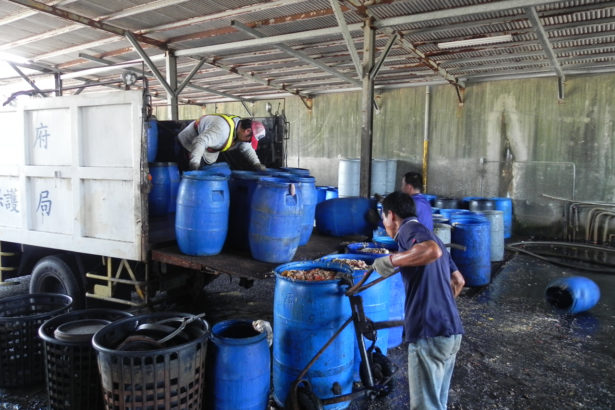
The Battle Over Epidemic Prevention and Food Waste 04"Rushed Food Waste Ban: EPA Up in Arms, Saying "Swine Fever Hasn't Even Arrived, and the Country Is Already in Chaos"
-

Feeding and Management Methods for Foxes Before and After Breeding
Feeding and Management of Foxes Before and After Breeding
-
The correct method for soaking and pre-sprouting black locust seeds before sowing
The method for soaking and pre-sprouting black locust seeds is as follows: the seed coat of black locust is thick and hard, and soaking softens the seed coat so that the seeds absorb water in advance and swell. For pre-sprouting, mix the swollen seeds with moist sand at a specified volume ratio of 3 parts sand to 1 part seeds, and place the mixture in a sunny, sheltered spot to sprout. To prevent the seeds from becoming sticky and spoiling, turn the mixture several times a day. After 4 to 5 days, when one third of the seeds have split open and shown white, take them out and sow.
条件筛选