-

What are the standards for ecological agriculture? Jiang Gaoming explains it this way
Due to work reasons, the author is often asked what kind of agriculture can be called ecological agriculture? What is the difference between ecological agriculture, traditional agriculture, and organic agriculture? Is ecological agriculture a return to primitive agriculture? Because of a lack of understanding of the connotation of ecological agriculture, plus some people deliberately
-
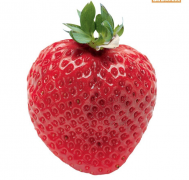
Strawberry is also called strawberry; planting methods and the use of organic and inorganic fertilizers
Strawberry is also known as strawberry. The plant is short and low-growing, and at planting time it has more than 8 true leaves. The method for growing strawberries in pots is also relatively simple. It blooms from late winter to spring. The flowers are white. It can be grown in the open ground, appreciated as a potted plant, and its fruit can be eaten. Propagation and Cultivation (Propaga
-
How many years does it generally take for a jabuticaba tree to bear fruit?
Jabuticaba is also called jaboticaba, Brazilian grape tree, and small stone fruit. It is an evergreen shrub of the genus Plinia in the myrtle family. Its fruit looks like grapes, is spherical, and changes color from green to red to purple, and finally to purple-black. So, how many years does it take for a jabuticaba tree to bear fruit? 1. Planting jabuticaba
-
How many years does it generally take for Turnjujube (Hovenia dulcis) to bear fruit after planting?
Turnjujube can also be called Japanese Raisin Tree, Wanzi Pear, Hovenia dulcis var. kiukiangensis, Chicken Claw Cluster, Golden Hook Pear, and so on; each region has a different name for it. So, do you know how many years it takes for Turnjujube to bear fruit? Let us take a look together! 1. How many years does Turnjujube take to bear fruit? Turnjujube generally needs 5-6 years to begin
-
How many years does it take for a ginkgo tree to bear fruit from planting?
Ginkgo nut, also known as ginkgo fruit, comes from a dioecious plant, so some ginkgo trees bear fruit and some do not. So how many years does it take for a ginkgo tree to bear fruit? 1. How many years does it take for a ginkgo tree to bear fruit? A grafted ginkgo tree will begin to bear fruit in 3-4 years.
-
Can Di Huan Be Eaten Raw? One Article Explains the Correct Way to Eat Di Huan
Di Huan, also called Di Hu Lu, Tu Chong Cao and so on, is a relatively precious medicinal herb with good health benefits and high nutritional value. Di Huan is edible. Can Di Huan be eaten raw? 1. Can Di Huan be eaten raw? Di Huan can be eaten raw; the texture is crisp and tender and the taste is sweet.
-
Can Celtuce Be Eaten Raw? Things to Note Before Eating It Raw
Celtuce, also known as lettuce, asparagus lettuce, and qianjincai, is one of the main vegetables in spring and in autumn and winter. The enlarged flower stalk is edible, and the stem is crisp and tender, high in water content, and delicious. So can celtuce be eaten raw? 1. Can celtuce be eaten raw? Celtuce can
-
Can this wild fruit, zhiguai, be eaten raw directly?
Zhiguai is also called qiujiang zhijiu, jizhualian, jingouli, zhiguai'er, chouqizi, jizhuazi, etc. It is a deciduous tree, so can zhiguai be eaten raw? 1. Growth habits of zhiguai. Zhiguai is a plant of the Rhamnaceae family and the genus Hovenia, mainly distributed in Henan, Shaanxi
-
How many years does it generally take for Japanese Purple Fig to bear fruit?
Japanese Purple Fig is also called fig, Yiriguo, milk fig, honey fig, tree sweet potato, Wenxianguo, etc., and is an excellent variety for both fresh eating and processing. So, how many years does it take for Japanese Purple Fig to bear fruit? 1. How many years does it take for Japanese Purple Fig to bear fruit? Japanese Purple Fig generally begins to bear fruit in the second
-
How many years does it take for a baobab tree to bear fruit?
The baobab tree, also known as the boabab tree, the monkey bread tree or the sour gourd tree, is a large deciduous tree of the Malvaceae family and the genus Adansonia. It is distributed in South Africa, Botswana, Tanzania and Madagascar, among other countries in tropical or subtropical Africa, and is cultivated in small quantities in the tropical regions of Fujian, Guangdong and Yunnan in China.
条件筛选