-
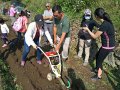
Take a little urban-rural excursion to observe the field-based learning at the Beitou Hudi Community Garden.
Driven by the Garden City policy, community gardens in Taipei City have been sprouting up everywhere in recent years. The Taipei City Government Department of Economic Development has further actively integrated and connected community gardens with urban agriculture, hoping that through positive exchanges of technology and experience between the two,...
-
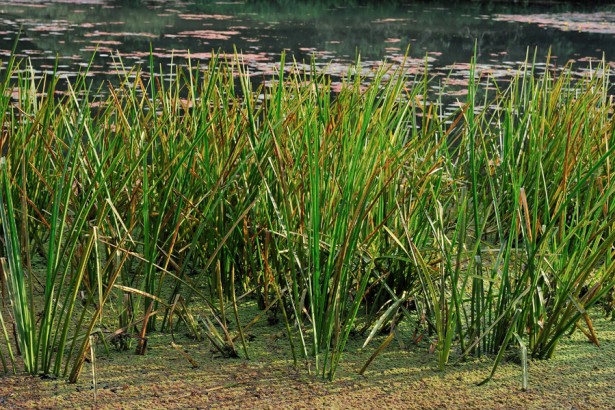
Fushan Botanical Garden in Taiwan, China, built a sound ecological environment based on the concept of tree specimen conservation
Fushan Botanical Garden's monthly plant information service is now online
-

What to Do When Monstera Gets Bugs? Pest and Disease Control Is Mainly Based on Spraying Pesticides
If a person does not receive timely treatment after falling ill, it may trigger other diseases, and in severe cases it can endanger our health or even our lives. In fact, the same is true when growing Monstera (Monstera deliciosa). If it gets bugs or shows signs of disease, it should be treated promptly.
-

What to Do When Roses Get Bugs: Light-Based Pest Control for Potted Plant Diseases and Pests
Because of the beauty of roses, many flower lovers choose to grow them indoors so they can enjoy the lovely view up close. But indoors is certainly no match for the wild, and because conditions are poorer, potted roses can be troubled by bugs. So what do you do when roses get bugs? Soil, light and water failing to meet the standard
-

How Often to Water a Bird's Nest Fern? Water Flexibly Based on Climate and Growth
In bird's nest fern care, watering not only keeps the soil moist but also helps the plant maintain high humidity, which is very important for its growth. So how do you water a bird's nest fern? How often should you water a bird's nest fern? Below, the editor will tell you the secrets of watering.
-

Detailed Explanation of Key Techniques for Straw-Based Cultivation of Lotus Root in Shallow Ponds
Straw-based cultivation of lotus root in shallow ponds gives high yields, is easy to harvest, saves water and labour, and the planting area is expanding year by year. The average yield is 4000 kg of lotus root per mu, more than 30% higher than that of ordinary shallow-pond lotus root. 1. Choosing suitable varieties. For seed lotus root, choose early-maturing varieties with thick, round rhizomes, white skin, crisp and tender flesh, sweet taste, good quality and high yield, such as 'Elian No. 4', 'Elian No. 5', 'Jinan White Lotus Root', etc. 2. Building the lotus pond 1. Site selection and material preparation: the lotus pond should be chosen in a sunny place without shade from trees, such as village-edge wasteland, abandoned house sites, disused pits and ponds, low-lying abandoned land, etc.
-
What types can dogs be divided into based on coat characteristics?
The dog's coat is an important skin derivative that protects the dog from adverse external environmental influences and maintains a constant body temperature. The form and color of the coat are important characteristics of dog breeds, and a gorgeous coat is a second life for many toy dogs. The dog's coat consists of top hair, undercoat, and decorative hair. Top hair, also called outer hair, is the main part that constitutes the dog's coat color; it is generally long and coarse, with medullated hair making up the majority, and it mainly serves to keep the dog warm. Decorative hair refers to the hair growing on the ears, tail, and lower limbs that serves a decorative function. According to coat length, dogs are generally divided into
-
Experimental Demonstration and Application of Factory-Based Soilless Seedling Raising of Cotton in the Dongtai Area
Factory-based soilless seedling raising of cotton is a seedling revolution in the history of cotton cultivation. It breaks the decades-old cultivation system of raising seedlings in nutrient pots and transplanting them, making cotton seedling raising and transplanting a simple, rapid, time-saving, labor-saving and cost-saving cultivation method, and opening up a new path for cotton cultivation. In 2003, Dongtai City introduced factory-based soilless seedling raising and transplanting trials. In 2004 and 2005, this technology was introduced successively in Tangyang and Luegang for soilless seedling raising and large-area transplanting trials and demonstrations. The details are summarized as
-
Types of Animal-Based Feed for Raccoon Dogs and Methods of Use
Animal-based feed is an important part of the raccoon dog's diet composition, and it has a great influence on the raccoon dog's health, reproduction and fur quality. The animal-based feeds used in artificial raccoon dog farming mainly include fish, meat, fish and meat offal, milk, eggs and dried animal-based feed products. (1) Fish is the main source of animal protein. Except for poisonous fish such as pufferfish, most marine fish and freshwater fish can be used as feed for raccoon dogs. In addition to containing relatively high protein, fish also contains fat, vitamin A, vitamin D and inorganic salts, etc. The digestibility is almost
-
Detailed Explanation of the High-Efficiency Field-Based Wild-Simulated Cultivation Technology Model for Oyster Mushrooms
Under the premise of producing the same mushroom yield, field-based wild-simulated cultivation of oyster mushrooms can reduce investment in production facilities and labor intensity, facilitate operation and management, and the fresh mushrooms produced have a strong wild mushroom flavor, enhancing the commercial value of oyster mushrooms. This model is highly practical, easy to operate, suitable for large-scale and industrialized production, and has high promotional value. Oyster mushrooms, with their advantages of high yield, strong adaptability and large consumption volume, occupy a major position in the edible mushroom production of our province. However, using houses, greenhouses, caves and other facilities to cultivate oyster mushrooms has long been
条件筛选