-

What to Do About Black Cane on Roses? Don't Throw It Out Yet - 3 Tricks to Bring It Back from the Dead
A perfectly good cane suddenly turns black, withering from the tip downward, and feels soft to the touch - this is what's called "black cane" on roses. At the first sign of black cane, many people panic, thinking the plant is beyond saving, and just pull it up by the roots and throw it away. Don't rush! As long as the black hasn't reached the roots, following these steps will most likely bring your rose back. Roses are
-

Can a Phalaenopsis orchid still grow back after its root tips turn black? Handle it this way
A perfectly healthy Phalaenopsis root tip, and for no apparent reason it turns black. These are the orchid's "lifeline," responsible for absorbing water and nutrients. Can it still grow back after turning black? How should you handle it? Can it still grow once the root tip turns black? Actually, there is no need to panic too much. As long as the Phalaenopsis root system has not completely rotted and the pseudobulb is still firm, there is hope. The root
-
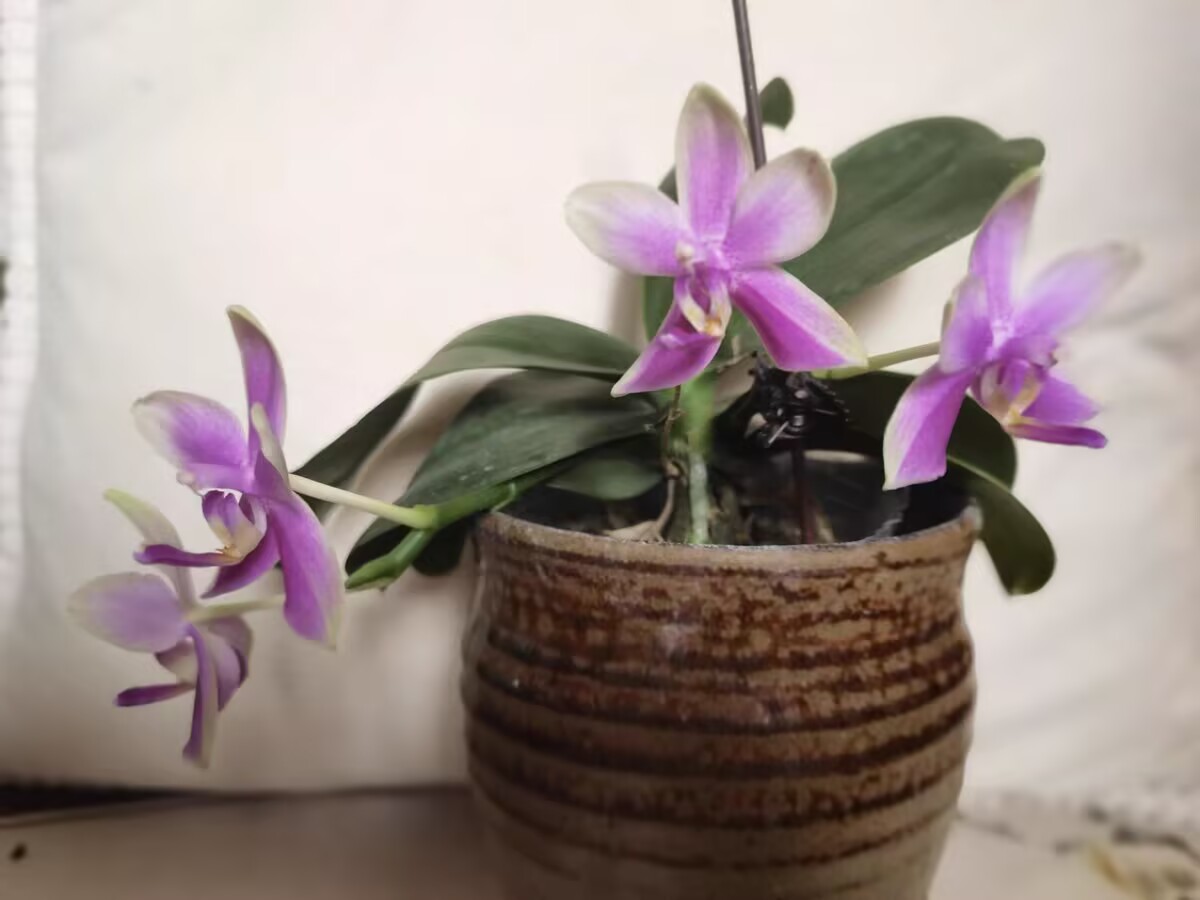
What Causes Phalaenopsis Petals to Flip Backward?
Many flower enthusiasts encounter the problem of phalaenopsis petals flipping backward suddenly during maintenance. In fact, this phenomenon is mostly caused
-

Why do Phalaenopsis orchid petals curl backward?
Many flower lovers who grow Phalaenopsis orchids suddenly notice their petals curling backward. In fact, this phenomenon is mostly caused by an unsuitable growing environment or by natural growth patterns. Below, let's talk specifically about the causes and solutions. 1. Causes 1. When the ambient temperature stays above 30°C, the moisture in the petals evaporates quickly
-

What are the reasons and drawbacks of post-bloom Phalaenopsis orchids being difficult to care for?
In the process of growing Phalaenopsis orchids, when the blooming period ends, caring for the post-bloom plants gives many people a headache. These plants are not only quite difficult to care for, but also come with many potential problems. A deeper understanding of the reasons helps us better meet the care challenges and understand the possible negative effects of post-bloom plants. Pha
-

How to Make Garlic Water for Phalaenopsis and Its Drawbacks
Phalaenopsis - how to care for this beautiful orchid is a challenge many flower lovers face. Today, we will share a simple and practical care tip - watering Phalaenopsis with garlic and clean water - and take a deeper look at its pros and cons. Garlic, a common seasoning in daily life, contains allicin, which has strong
-

What to Do About Sunburned Phalaenopsis Leaves, and Can Damaged Leaves Grow Back?
During care, the leaves of Phalaenopsis orchids sometimes get scorched for various reasons, which is undoubtedly a frustrating thing for flower lovers. When Phalaenopsis leaves are scorched, how should we respond? Can already damaged leaves recover to their original state? The main cause of scorched Phalaenopsis leaves is usually light.
-

How Florists Ride the Guofeng Wave to Stage a Comeback
In today's fast-paced era, the charm of traditional culture is becoming ever more prominent, and the enthusiasm for intangible cultural heritage keeps heating up, becoming a cultural trend that cannot be ignored. Amid this wave, many industries have seized the momentum and achieved new breakthroughs and development. Taking advantage of the traditional Spring Festival holiday, major flower shops and online platforms have
-

Feasibility and Drawbacks of Planting Multiple Phalaenopsis Orchids Together
In the process of caring for Phalaenopsis orchids, many flower enthusiasts may consider planting multiple Phalaenopsis orchids together in the hope of creating a more lush and colorful ornamental effect. However, is this practice really advisable? Theoretically speaking, Phalaenopsis orchids can be planted together in multiple plants. In actual practice, some merchants or flower enthusiasts, in order to increase
-

Is it normal for croton to drop leaves in winter, and can they grow back after dropping?
As a tropical plant, croton (Codiaeum variegatum) is favored by many plant lovers for its richly colored and highly variable leaves. However, in the cold winter, many growers find that croton begins to drop leaves, which inevitably raises the question: is it normal for croton to drop leaves in winter? After the leaves drop, can they still
条件筛选