-

Autumn duck herding has its finer points: duck farmers need to master these techniques
Watching the duck shed. To make it easier to move the duck grazing site, a shed can be built from bamboo strips large enough to hold a simple bed, with a rain cloth over the outside. Brooding. Buy back ducklings about 40 days before the late rice harvest, spread soft rice straw on the indoor floor, and brood them in separate small pens, keeping the room temperature at 20°C-26°C.
-
How to nurse weak autumn ducks back to health? Scientific methods are key
In autumn, temperatures gradually drop, the temperature difference between day and night is large, and daylight hours become shorter. Autumn ducks hatched the previous year, after laying eggs for most of the year, are already very fatigued; if there is the slightest carelessness in management, they will stop laying and molt. Laying ducks hatched in early spring begin laying from late September to mid-October. At this time the weather gradually turns cooler, and the temperature difference between day and night is too great. Especially for free-range laying ducks, the food they can find in late autumn is scarce, which causes nutritional deficiency, affects egg production, and makes newly laying ducks "drop eggs." Therefore, rural laying duck farming has
-
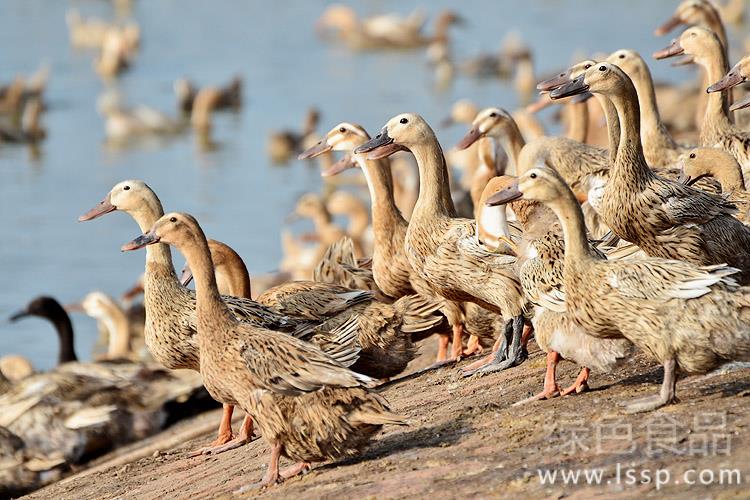
Autumn ducks can also achieve high-efficiency results: points to note when raising autumn ducks
Autumn ducks can also achieve high-efficiency results: points to note when raising autumn ducks
-
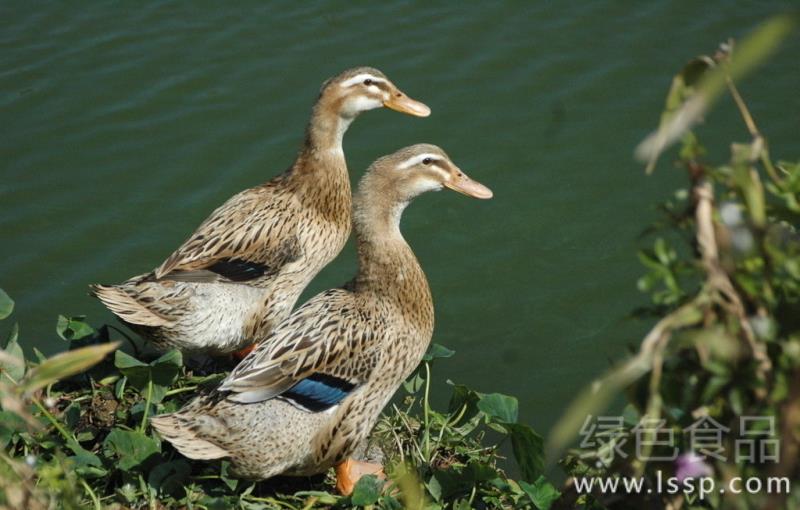
Autumn temperatures are favourable and forage is abundant: what should you pay attention to when brooding and fattening ducks?
Autumn temperatures are favourable and forage is abundant: points to note when brooding and fattening ducks
-
Detailed Explanation of Key Techniques for Autumn Conditioning of Laying Ducks
Autumn Conditioning Techniques for Laying Ducks
-
Autumn Conditioning Methods and Key Feeding Management Points for Laying Ducks
Autumn Conditioning of Laying Ducks
条件筛选