Autumn temperatures are favourable and forage is abundant: what should you pay attention to when brooding and fattening ducks?
After autumn begins, temperatures slowly drop, and once the rice fields are harvested, the space they free up also provides conditions for fattening adult ducks. Autumn is also suitable for brooding ducks; brooding after autumn means fewer disease outbreaks and a higher survival rate, and the ducks can be ready for market at about 60 days.
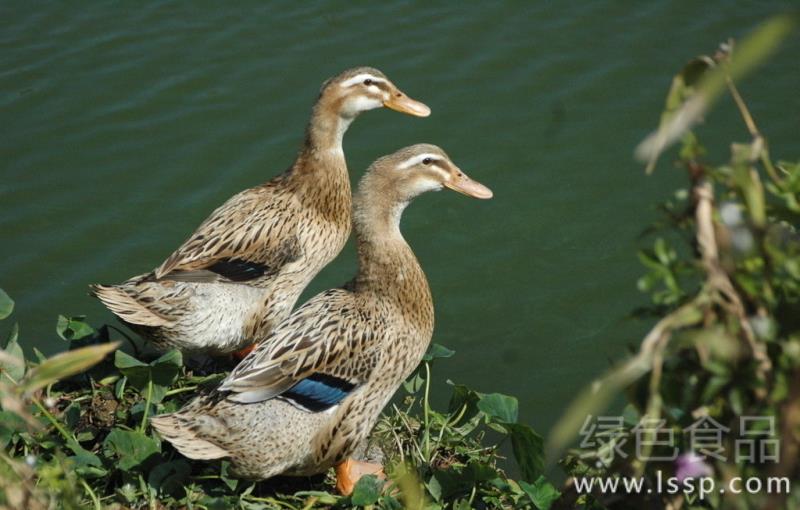
Duck
Force-feeding for fattening
This means rapidly fattening ducks in a short period by supplying excess energy and protein. When ducks reach 50—60 days of age and weigh about 1.5 kg, force-feeding can begin. In autumn, 12—14 days of force-feeding can raise a duck's weight to more than 2.5 kg in a short time.
Feed for force-feeding: in the early stage, the feed is mainly rice bran and wheat bran, with an appropriate amount of corn and soybean cake, plus a suitable amount of vegetable leaves, with a crude protein level of about 15%. Afterwards, gradually reduce the bran-type feed and increase protein and starch feed. The formula for the final seven days: corn 58%, wheat flour 22%, millet flour 7%, soybean cake meal 10%, bone meal 2%, salt 0.44%, trace elements 0.54%.
Points to note: force-feeding must be done on schedule. Feed three times a day, once every 8 hours. Before each feeding, check the duck's digestion; if food is still retained in the neck, stop feeding or feed less, and add rhubarb and sodium bicarbonate tablets to the drinking water. After feeding, promptly provide plenty of clean drinking water and allow the ducks proper access to water; keep the duck house clean, keep the environment quiet, the light dim, and do not drive the ducks roughly or shout loudly, so as to avoid triggering stress in the ducks, reducing their appetite and affecting fattening.
Autumn temperatures fluctuate; when high temperatures occur, take care to prevent heatstroke and cool the ducks, keep the duck house ventilated, cool and comfortable; build a shed or plant trees in the exercise yard.
Autumn brooding
First, during the brooding period, keep the density of ducklings on the wire floor below 30 per sq m. If the density is too high, the ducklings lack space to move, which leads to weaker constitution and lower disease resistance.
Second, install exhaust fans and ventilate while keeping the temperature appropriate. After ducklings reach 5 days of age, their feed and water intake increases, and their excretion increases accordingly. During this period, besides removing harmful gases such as ammonia, keeping the temperature is also very important; ventilate when adding feed or when the temperature is high at noon.
Ducklings
In addition, duckling feed is crucial; whether the feed is good depends on whether the energy-to-protein ratio is balanced. Because ducklings' physiological, nervous and digestive systems are all immature in the early stage, the starter feed for ducklings must be nutritious, health-promoting and highly palatable, meeting the ducklings' growth needs; use complete crushed feed produced by a professional feed mill.
Autumn weather is changeable, alternating between cold and heat, and ducklings are susceptible to various bacterial and viral diseases, which also spread to one another. Usually fowl cholera, duck serositis, duck plague and duck viral hepatitis all cause losses. Rearing well matters more than prevention, and prevention matters more than treatment. In farming, strictly control the environment, maintain the temperature, keep ventilation unobstructed, and prevent harmful gases and pathogenic microorganisms from accumulating in the duck house; immunise the ducklings against duck plague, duck hepatitis and duck serositis; give the ducks enough space to move to strengthen their immunity; feed, drinking water and the duck house must all meet hygiene standards.