-
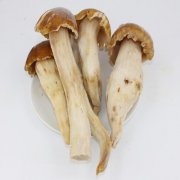
Can chicken-of-the-woods mushroom (Termitomyces) be cultivated artificially? With cultivation techniques and price per jin
Can Termitomyces be cultivated artificially? Yes, it can be cultivated artificially. Termitomyces is an edible mushroom with relatively high nutritional value. So how much does it cost per jin? Let's take a look below at how to cultivate Termitomyces artificially. Step one, culture substrate formula
-
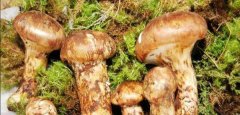
Can matsutake be cultivated artificially? Differences from wild ones and how much per jin
Can matsutake be cultivated artificially? Yes, it can, but artificially cultivated matsutake is very different from wild matsutake, so let's take a look at their differences below. Also, the prices of fresh and dried matsutake. Differences between artificial matsutake and wild matsutake: the color is different; wild matsutake
-
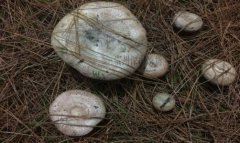
Can Lactarius deliciosus be cultivated artificially? Detailed explanation of cultivation techniques and growing conditions
Can Lactarius deliciosus be cultivated artificially? Yes, it is possible, but this mushroom is very difficult to cultivate because its spawn is relatively hard to collect. It also has many different names, such as pine mushroom, Chongyang mushroom, etc. So how do you go about artificial cultivation? Let's take a look together at artificial
-
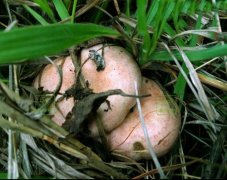
What month does the verdigris mushroom grow, can it be cultivated artificially, and what is its nutritional value
The verdigris mushroom is a fungus that grows in pine or coniferous forests, broadleaf forests or mixed woodlands. Can the verdigris mushroom be artificially cultivated? At present, artificial cultivation is not yet possible. So in which month can the verdigris mushroom be harvested? Each year, summer and autumn are its growing season, and the yield is abundant after rain
-

How can you tell if a tomato has been artificially ripened? What are the harms of eating one?
The tomato, also known as the love apple, is a vegetable that can be eaten both raw and cooked, and it is very popular in the market. But as growing techniques keep improving, many vegetables are now ripened with hormones, and tomatoes are no exception. So how can you tell if a tomato has been artificially ripened? What are the harms of eating one?
-
Can wild chives be cultivated artificially? A detailed explanation of high-yield cultivation techniques
Abstract Soil preparation: prepare the soil first and then apply fertilizer; the soil fertility needs to be sufficient, and decomposed powdered manure can be chosen. Spacing: open a furrow every 10 cm, then plant the seeds in it, and they will sprout in about a week. Transplanting: plant about 10 seedlings in each hole; after transplanting
-
Can wild Yunlong vegetable be cultivated artificially? Learn about its growing environment
Wild Yunlong vegetable is very rare on the market, and many people have never even seen it. Many people say that since this vegetable is so rare, we can just plant it ourselves. In fact, growing wild Yunlong vegetable is not an easy task; it has strict environmental
-
How to cultivate sand onion (Allium mongolicum) artificially? Detailed greenhouse cultivation techniques
Summary Sowing: First disinfect the seeds, then sow them; July to October is the most suitable period. Temperature: A greenhouse temperature of around 10-25 degrees is favorable for its growth; the greenhouse also needs to be ventilated every day, and in the evening the curtains inside the greenhouse should be lowered. Management: Sand onion is a light-loving plant, so supplementary lighting must be done well. Fertilizing: Neither watering nor fertilizing should be excessive. Diseases and pests: Ants will attack sand onion, so precautions must be taken.
-
Can Akebia trifoliata be cultivated artificially? Detailed explanation of key cultivation techniques
Akebia trifoliata, surely many people have never heard of this thing, let alone its effects, functions and cultivation techniques. In fact, Akebia trifoliata is also one of the wild fruits, and in the past some people would take this fruit to the streets to sell. In recent years, due to less natural
-
Can oyster mushrooms be cultivated artificially? Key points of high-yield cultivation techniques
The oyster mushroom, this delicious fungal food, is very common in our daily lives, and because it has high nutritional value and is very beneficial to people's health, it is loved by many people, which also gives it good market prospects.
条件筛选