-
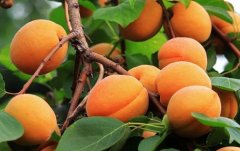
How to Plant Apricot Seeds? Detailed Planting Steps and Timing
Do you like eating apricots? The pits left over after eating apricots can be planted to grow apricot trees. Do you know how to plant them? The planting time for apricots is after the Start of Winter and before the Start of Spring. They are a major cultivated fruit tree in low mountain and hilly areas. 1. Take the seeds left over after you finish eating apricots
-
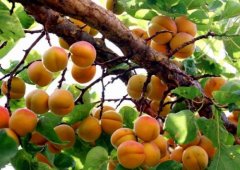
How to Plant Apricot Seeds and a Detailed Guide to Apricot Pit Sowing Time
How are apricots grown? Would you like to find out? In fact, the pit you leave after eating an apricot can be planted to grow an apricot tree. If you want to grow one yourself, take a look at the introduction below. After you finish the fruit, the core inside is the seed, and it can be directly
-
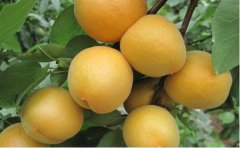
What Causes Scab on Apricots? Detailed Explanation of Prevention and Control Methods
Peach scab on apricots comes from the fungus Cladosporium carpophilum. It also affects nectarines, plums and peaches. Most apricots with peach scab are grown in home orchards, because commercial growers take preventive measures to prevent it. Apricots and Peach Scab
-
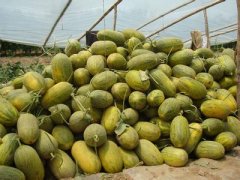
What are the growing conditions and sweetness levels of Hami melons and small white apricots from Xinjiang?
June is the season of abundant fruit, and Xinjiang has also welcomed the concentrated harvest of its local specialty fruits. Today's fruit transport and logistics systems, along with a variety of sales channels including e-commerce, are becoming increasingly sophisticated, driving Xinjiang fruit to travel ever farther. Hami melon cultivation and open-field
-

A Detailed Guide to Clever Fertilization Methods and Key Planting Techniques for Japanese Apricot (Green Plum)
The Japanese apricot is a fruit with a unique flavor, tasting sour and crisp, making it irresistible to many people. There are many varieties of Japanese apricot; besides some edible varieties, there are also some that can be grown for ornamental purposes. After being salted, the Japanese apricot can also be used as medicine, having the effect of promoting
-
How to Plant Large-Board Apricot Seeds? A Detailed Guide to Sowing and Raising Seedlings
The apricot is the fruit of the deciduous tree apricot (Prunus armeniaca), an important economic fruit tree. Its fruit is sweet and juicy, and usually ripens in June-July. After eating the flesh, you can also plant the seeds. So how do you plant large-board apricot seeds? How to Plant Large-Board Apricot Seeds? In November, take out the apricot pits and soak them in clean water
-
Is the Siberian apricot an evergreen or a deciduous tree?
The Siberian apricot, also known as apricot, wild apricot, Siberian apricot, and Xibor-Guilese, can be used as a sand-dune shelterbelt and landscaping tree species. So is it an evergreen or a deciduous tree? How much does a sapling cost per tree? 1. Is the Siberian apricot an evergreen or a deciduous tree? The Siberian apricot is a deciduous shrub
-
Apricot Tree Planting Methods and Techniques Explained in Detail
Summary Propagation and seedling raising: Apricot trees can be planted by grafting, sowing, or transplanting. Planting: Plant in deep, well-drained sandy soil, and apply an appropriate amount of decomposed organic fertilizer to each hole. Fertilizer and water: During the growing period, apply an appropriate amount of urea, potassium sulfate compound
-
A detailed guide to planting apricot saplings, quickly master the key planting points
Summary Choose deep, well-ventilated sandy loam soil, plant at a planting distance of 2 m and a row spacing of 3-4 m, and apply about 20 jin of farmyard manure in the planting hole; during the growing period, spray potassium dihydrogen phosphate and urea, and keep the soil in a moist state; in the later stage, head the apricot
-
Apricot Cultivation Methods and Key Technical Points Explained
Abstract Sapling planting: It is advisable to choose a deep, breathable sandy loam plot; each planting hole can be given 20 jin of farmyard manure; the saplings to be planted should have two-thirds of their leaves removed and be covered with a shade net. Fertilization and irrigation: An appropriate amount of urea, potassium sulfate fertilizer, etc. can be applied; after planting, water once every 3-4 days
条件筛选