-

The three main causes of cotton diseases: climate, seeds and cultivation
The occurrence of cotton diseases is closely related to climate, seed quality and cultivation practices: low temperature and high humidity easily cause seed rot and sprout rot, poor-quality seeds produce weak seedlings, and continuous cropping, low-lying waterlogged land, rough land preparation and sowing too early all worsen the disease.
-
What are the temperature, light, water and soil requirements for apple cultivation?
The basic parameters of apple cultivation include temperature, light, water and soil conditions. This article introduces the environmental requirements for apple cultivation and the key points for selecting varieties and rootstocks, helping fruit growers scientifically choose sites and establish orchards for stable and high yields.
-
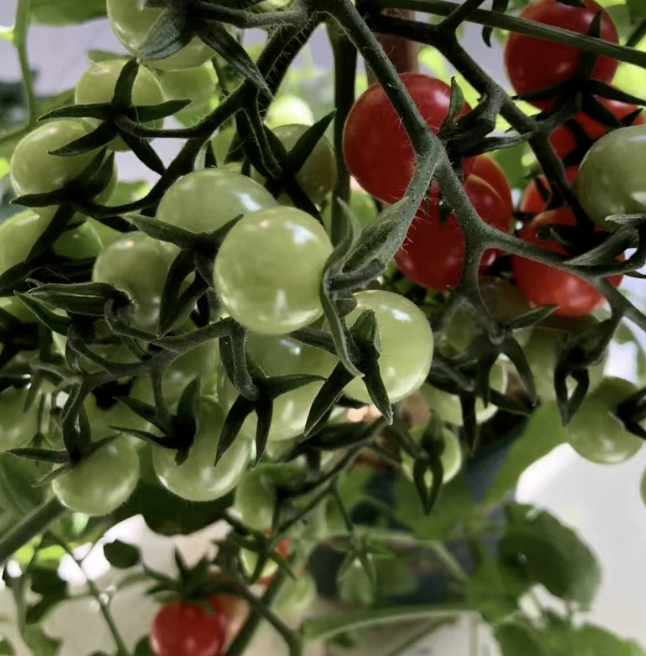
Reasons and Solutions for Cherry Tomatoes Flowering but Not Fruiting
Some tomato growers might find that their cherry tomatoes only flower but don’t bear fruit, and the fruits are small and sour. Don’t worry! Here are some
-

Detailed steps for repotting and changing the soil of a Phalaenopsis orchid: what do you do when the roots are too long to fit into the pot?
"You can't repot a Phalaenopsis orchid well without a few tricks." This remark comes from a shop owner with years of experience, because having a professional repot it costs 25 yuan each time. Is this just the owner's smooth talk to make money, or is it really true if you try it? The editor can say responsibly that the answer is actually half and half.
-

Don't panic if your Christmas cactus (Schlumbergera) has soft leaves! Identify the 5 main causes and treat them accordingly, and the leaves will soon be firm again!
When the leaves of a Christmas cactus are thick and green, it looks especially lively, but soft leaves are a common problem in care - some become wrinkled and dull, while others wilt so much they droop at the slightest touch. In fact, soft leaves are mostly caused by improper care, so find the cause and treat it accordingly, and it will soon regain its plumpness! 1. Lack of water and dry wilting: the potting soil is cracked and the leaves are shriveled
-
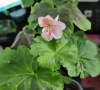
Propagate These 4 Common Flowers from Cuttings in Autumn: Snip a Stem and Leaf, Stick It in Soil, and Easily Turn One Pot into Many
Autumn has suitable temperatures and just the right humidity, without the scorching sun of summer or the bitter cold of winter, making it practically the "golden season" for flower cuttings. For many easy-to-grow, hardy plants, no complicated steps are needed - just cut off a stem and leaf, stick it into the soil, and it will take root and grow into new life. The several common plants below are perfect for
-
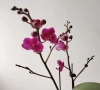
Phalaenopsis Care Guide After Start of Autumn in North and South: Ventilation and Mold Prevention in the South, Moisture Retention and Frost Protection in the North
Once the Start of Autumn passes, Phalaenopsis orchids successively enter their golden growth period and flower bud differentiation period. If you want its branches covered with "butterflies," care must follow the climate - the temperature and humidity differences between North and South are significant, so care methods cannot be generalized! Today I will share practical care tips with everyone; follow them, and your Phalaenopsis will rebloom year after year.
-
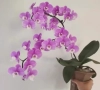
Reasons and Solutions for Phalaenopsis Leaves Turning to Water and Falling Off
The worst thing about growing Phalaenopsis is encountering leaves turning to water - originally plump leaves suddenly become soft, turn yellow, and rot at the slightest touch. If you are not careful, the pathogens will spread, and the whole plant may even wither! Don't panic, as long as you deal with it promptly, there is a good chance it can be saved ~ Emergency treatment: stop the damage first! Prevent the pathogens from spreading 1. Resolutely remove diseased leaves. When you find leaves
-

Causes and Solutions for Dry Air Roots on Phalaenopsis Orchids
A perfectly healthy Phalaenopsis orchid is growing along, and then suddenly those exposed aerial roots dry up. Some get all wrinkled like shriveled kelp, and others turn dark brown outright. Actually, there is no need to panic about this. First figure out why the aerial roots are drying up, then treat the problem accordingly. Why do aerial roots dry up? The most common reason is air that is too dry. Phalaenopsis
-

What medicine should be used for stem rot in Phalaenopsis? Detailed explanation of causes and solutions
Growers of Phalaenopsis have probably all heard of "stem rot." Once a Phalaenopsis gets this disease, the leaves droop and the stem rots at the core, and if it is not treated in time, the whole plant may die. Today let's talk about how this disease comes about, what medicine to use, and how to save it. How does stem rot find its way in? The main cause is too much moisture,
条件筛选