-

What to Do About Root Rot in a Banyan Tree? Cause Analysis and Treatment Methods
To solve the problem of root rot in a banyan tree, first take it out of the pot, keeping the root ball intact, use scissors to cut off the rotten roots, disinfect the pot and replace it with clean soil. Plant it, firm the soil and water it thoroughly, then place it in a ventilated spot. After that, keep the soil dry, and it will grow new roots in about half a month.
-
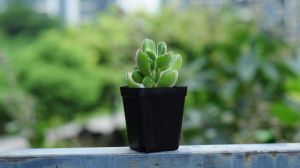
What to Do If Bear's Paw (Cotyledon tomentosa) Has Root Rot? Cause Analysis and Treatment Methods
There are many causes of root rot in Bear's Paw (Cotyledon tomentosa): if it is caused by overwatering, then reduce the amount of watering appropriately and do not water too frequently. If it is caused by poor soil drainage, then replace it with well-draining soil as soon as possible, and it is best to also switch to a pot with holes. If it is caused by too much fertilizer, then reduce the amount of fertilizer appropriately and do not fertilize too frequently.
-

What to Do About Tulip Root Rot? Cause Analysis and Solutions
There are many causes of root rot in tulips: if it is caused by excessive watering, then reduce the amount of watering appropriately and keep the watering frequency under control. If it is caused by poorly aerated soil, then replace it with loose, well-aerated soil. If it is caused by too much fertilizer, then keep the fertilizer amount under control.
-
What to Do About Root Rot in Succulents? Cause Analysis and Treatment Methods
For root rot in succulents, first remove the rotten parts, then choose a method based on the symptoms and causes. If it is crown rot, apply crushed charcoal and sulfur powder. If it is a fungal infection, apply sulfur powder, then spray the plant with a mixed solution of benlate and mancozeb. If it is black rot, spray with benlate and apply sulfur powder.
-
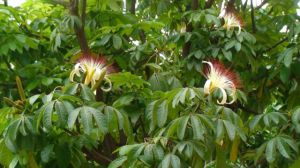
What to Do When Pachira Leaves Turn Yellow? Cause Analysis and Solutions
There are many reasons why Pachira leaves turn yellow: if it is caused by improper watering, then control the amount of water well and water reasonably. If it is caused by improper light exposure, then give it an appropriate amount of light and do not let it be exposed to direct strong light. If it is caused by too much fertilizer, then fertilize scientifically. If it is caused by low temperatures, then pay attention to keeping it warm.
-
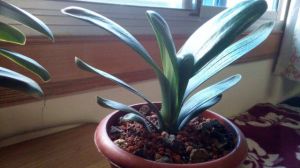
What to Do About Yellow Leaves on Clivia? Cause Analysis and Solutions
Proper lighting: Clivia easily develops yellow leaves after strong sun exposure, so give it diffused light or shade it; reduce water: waterlogged soil affects root respiration, so change your watering method and water only when the soil is dry; fertilize appropriately: fertilizer that is too concentrated or not fermented causes yellow leaves, so use decomposed fertilizer or dilute it properly. If it is normal aging, simply cut off the yellow leaves.
-
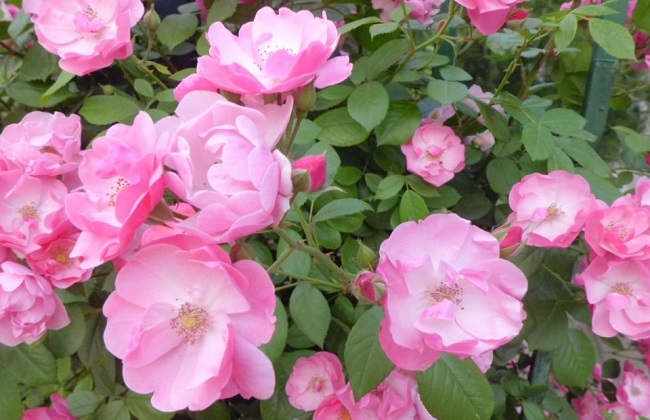
Why doesn't climbing rose bloom? Analysis of the reasons for not blooming
Why doesn't climbing rose bloom? Reasons why climbing rose doesn't bloom
-

-
An Analysis of 11 Causes of Yellowing Leaves in Lucky Bamboo
Gardeners who grow lucky bamboo have surely encountered yellowing leaves at some point. In fact, there are many factors that can cause lucky bamboo leaves to turn yellow.
-
Why Does a Pothos Get Root Rot? Cause Analysis and Rescue Methods
There are many causes of root rot in pothos, such as overwatering, infection by pathogens, poor water quality, and other such problems, all of which can cause root rot in pothos. Of course, if your pothos shows signs of root rot, don't panic. First analyze the cause, then treat it accordingly.
条件筛选