-

How much exactly does planting affect the flowering period?
The flowering time of campanula is also closely related to the planting time. Campanula likes a cool environment, so planting in spring or autumn is most suitable. But different planting times lead to earlier or later flowering. Under natural conditions (open-field planting), if sown in January or February with a suitable environment, campanula will grow to full size by summer.
-

What factors affect the profitability of meat sheep farming?
Factors affecting the profitability of meat sheep farming
-
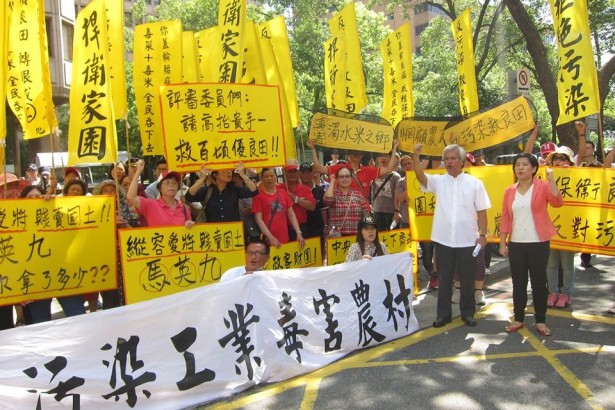
Changnan Industrial Park Development Project May Turn Fertile Farmland into Factories and Affect High-Speed Rail Safety
Changnan Industrial Park Development Project: Fertile Farmland to Factories, High-Speed Rail Safety May Be Affected
-
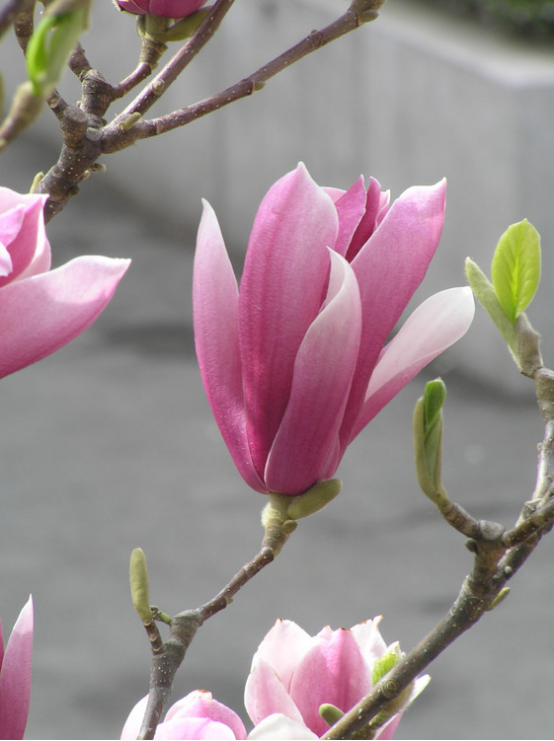
Carry out pest control during the flowering period to ensure flowering is not affected
Control methods: 1. Remove pest-infested plants in the field and prune infested branches, take them out of the field promptly and burn them
-

What factors affect the survival rate of apple grafting
Reasons affecting the survival of apple grafting
-
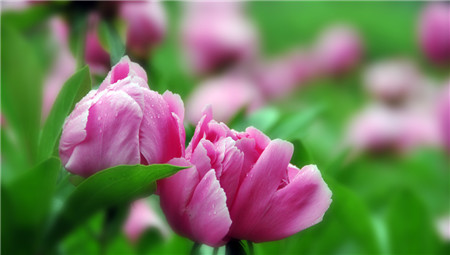
What factors affect peony flowering?
The flowering process of peonies is affected by various factors, and the main influencing factors include four aspects. (1) Temperature: In the same region, the timing of the peony flowering period is closely related to spring temperature changes. Temperature can affect the entire flowering process. With a warm spring versus a cold spring, the flowering period can differ by 4-5 days or even 10-20 days
-
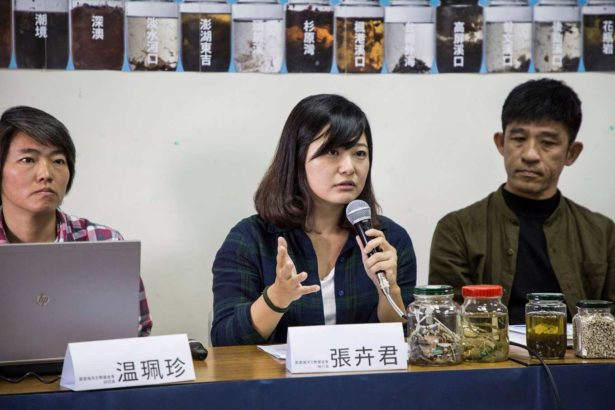
Black Tide Survey: Microplastics Found in Seas Around All of Taiwan! Everyday Plastics Dominate, with the Bajhang River, Houjin River and the Northeast Coast Most Affected
Black Tide Survey: Microplastics Found in Seas Around All of Taiwan! Everyday Plastics Dominate, with the Bajhang River, Houjin River and the Northeast Coast Most Affected
-
Analysis of Factors Affecting the Pigmentation of Sanhuang Chickens and Existing Problems
In recent years, with the development of the domestic poultry industry and the continuous improvement of people's living and consumption standards, consumers have become increasingly discerning in their demand for meat products, and people in East China are particularly fond of Sanhuang chickens. In fact, the yellow color deposited in the shanks and subcutaneous fat of chickens is all lutein, and lutein is a general term for a class of natural pigments. Since chickens cannot synthesize lutein themselves, all lutein present in the chicken body comes from the feed. So, what causes the differences in chicken pigmentation? The following analysis examines this one by one.
-
What are the factors affecting the efficacy of fishery drugs?
1. Dosage and dosage form of the drug. The effect of a drug varies with the dosage, and may even change qualitatively. For example, when the astringent metal drug zinc sulfate is used topically, a low concentration has an astringent effect, a medium concentration has an irritant effect, and a high concentration has a corrosive effect. Different dosage forms of a drug, even when the drug dosage is the same, also differ in the strength, effect and duration of action. 2. Route of administration. The route of administration, time of administration, number of administrations and repeated medication all
-
What environmental factors affect the appearance quality of bag-cultivated Ganoderma (reishi)?
Ganoderma, as a medicinal fungus, has its medicinal value and commercial value directly related to the quality of its fruiting bodies. Cultivating fruiting bodies with well-developed caps and good maturity is the ideal goal of medicinal Ganoderma producers. Ganoderma fruiting bodies are quite sensitive to environmental factors such as temperature, humidity, aeration and light. If conditions are unsuitable, deformed mushrooms are very likely to appear. Strictly regulating environmental factors is a necessary measure to improve the finished-product rate and appearance quality of Ganoderma. 1. Temperature factor. Ganoderma fruiting body primordia can form in large numbers at 25-30°C, form less and grow slowly below 22°C, and although they can form above 34°C, they very easily form nodular protrusions after primordium formation and stop developing; Ganoderma caps grow faster at 28-30°C, with sparser concentric rings and lighter surface color, while at 24-26°C the growth period is longer, more active ingredients accumulate, and the texture is harder, so Ganoderma grown at this temperature has better quality. To balance growth time and fruiting body quality, the room temperature during the primordium differentiation and growth stage is best controlled at (28±1)°C, and during the cap growth stage at (26±1)°C. In cultivation practice, the temperature control methods are: (1) arrange the mushroom emergence time appropriately according to local natural temperature conditions; in central and southern Hebei, early June to early September is more suitable; (2) when the temperature is 30°C, appropriate shading, sprinkling well water on the ground combined with ventilation, etc. can lower the room temperature by about 1-3°C; (3) production units with the means can use automatic temperature control equipment, for better results.
条件筛选