-
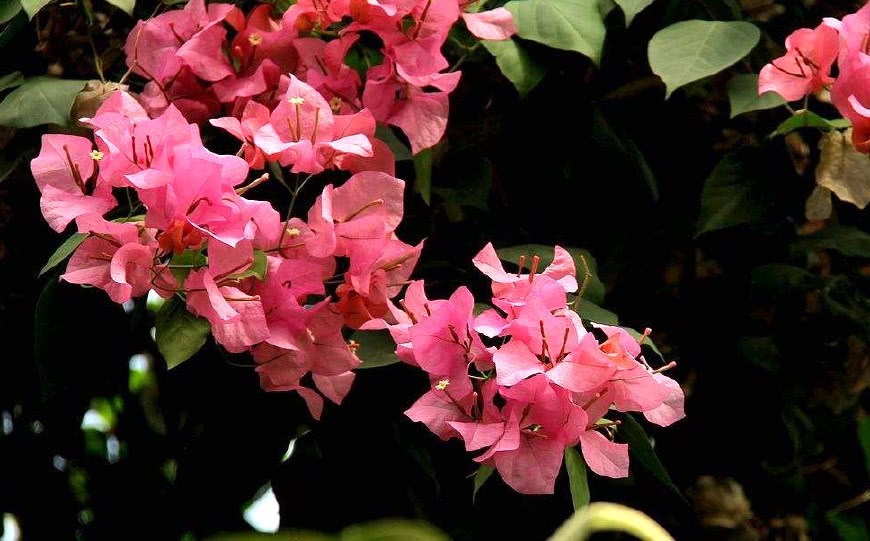
Plant one Bougainvillea and enjoy 270 days of blooms, adding vibrant color and brilliance
What flowers do gardening friends like? Is it Chinese roses, Gardenias, Camellias, or Clivia? My favorite is this flower - nothing is more beautiful than Bougainvillea, which blooms 270 days a year, brilliant and colorful, adding light and color to life! Bougainvillea is also known as paper flower, ...
-
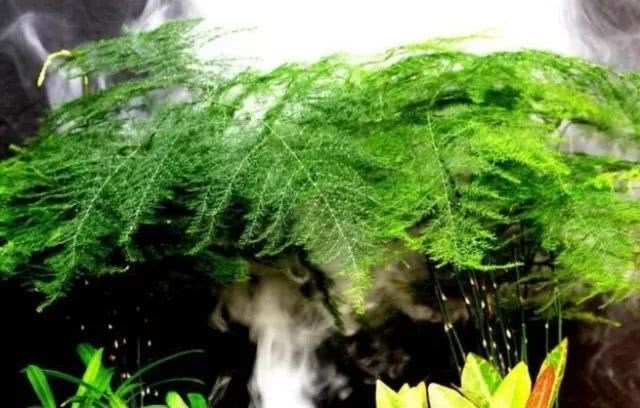
How do you grow asparagus fern so the leaves don't turn yellow? Try adding a little white sugar
Many flower lovers like to grow asparagus fern, but when caring for asparagus fern, the leaves easily turn yellow and so on. Based on the experience of many flower lovers, here is a share on how to grow asparagus fern well. Asparagus fern care tips: 1. Ventilation must be good. Although asparagus fern can...
-
A new method for padding orchid pots with a base layer – friends who grow orchids might want to give it a try
A new method for padding orchid pots
-
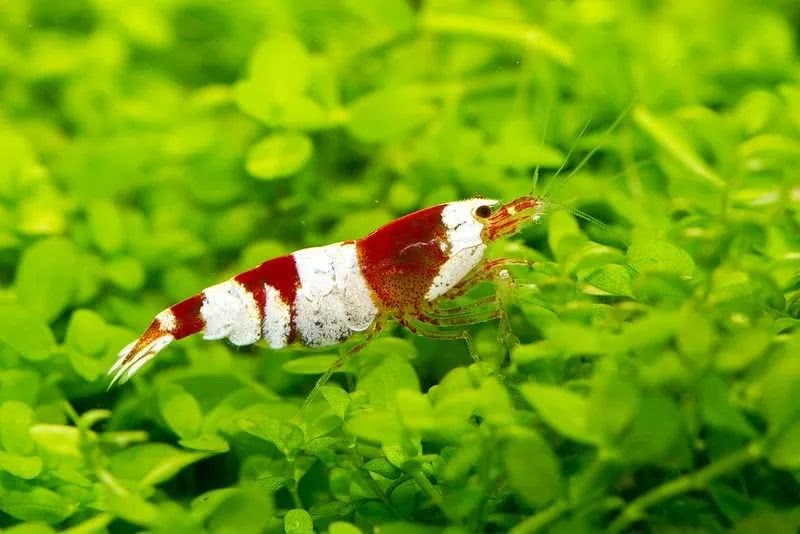
Adding another shrimp tank, how to convince your wife to agree
Tank specifications: 45×27×30cm Filter: small external canister filter 360LPH CO2: inline atomizer 12/16mm (pressurized CO2 running 10 hours) Substrate: aquarium soil; Lighting: LED light, 7 hours of light; Hardscape...
-
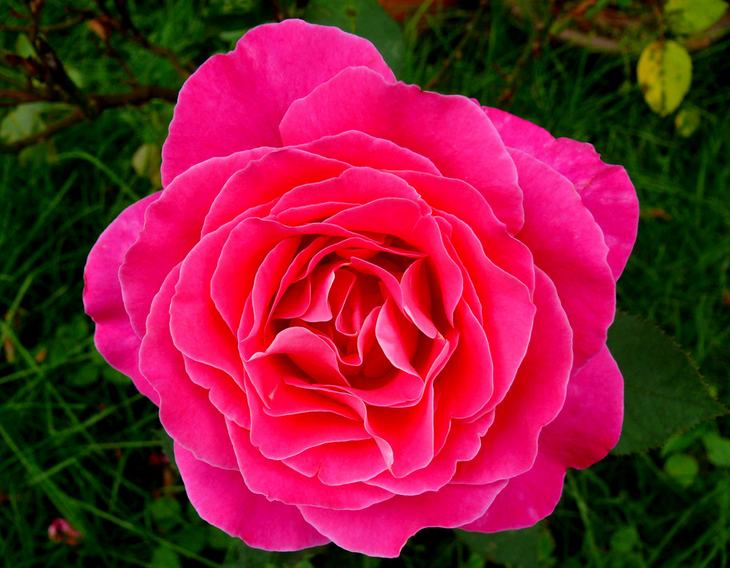
A detailed guide to growing Chinese roses (Rosa chinensis), easily adding colorful beauty to life
Chinese roses are splendid and beautiful, with diverse forms and colors, blooming in all four seasons, and are deeply loved by people. They are called the queen of flowers, and many people want to grow Chinese roses themselves. So when growing Chinese roses, what exactly should you do? Are there any methods and precautions?
-

Adding table salt to oyster mushroom substrate can increase yields
In oyster mushroom cultivation, using carbendazim to control contamination by foreign fungi is effective, but pesticide residues remain in the mushrooms, which is harmful to human health, and the cost is relatively high. According to experiments: when cultivating oyster mushrooms on raw substrate, adding 1.5 kg of table salt per 100 kg of dry substrate (dissolved in advance in a measured amount of water) and mixing thoroughly can prevent infection by foreign fungi and also bring mushrooms out 5-7 days earlier. At the same time, because table salt is rich in sodium, calcium, magnesium and other metal ions needed for oyster mushroom growth, if a 10% salt solution is sprayed in the early stage of fruiting body differentiation and after each flush is harvested, the mushrooms can be free of pesticide residues and their quality
-
What is the effect of adding plant ash to oyster mushroom substrate
When cultivating oyster mushrooms on raw substrate, adding an appropriate amount of plant ash to the substrate has certain benefits for the growth of oyster mushrooms. Because plant ash is alkaline, it has a disinfecting and sterilizing function and can inhibit the growth of various contaminating microorganisms. At the same time, plant ash contains various trace elements such as calcium, magnesium, iron and phosphorus, which can increase the nutrient content of the substrate. In addition, plant ash has the effect of absorbing heat and raising temperature, which can create a good growing environment for mycelial growth. The method of adding plant ash to the substrate is simple: just add 3%-4% after the substrate has fully absorbed water.
-
Adding fat to rabbits' feed in winter has many benefits
In winter, the weather is cold and temperatures are low. If 2%-3% fat (rendered lard is best, vegetable oil is second best) is added to the rabbit diet, feeding it to rabbits not only improves palatability and promotes healthy growth, but also increases body fat and fat reserves, thereby improving the rabbits' resistance to winter cold. According to many years of practice at the author's rabbit industry base: adding fat to the feed of pregnant does can increase the survival rate of kits by about 10%; adding fat to the diet of does during lactation can significantly increase the weaning survival rate of kits; adding fat to the diet of meat rabbits
-
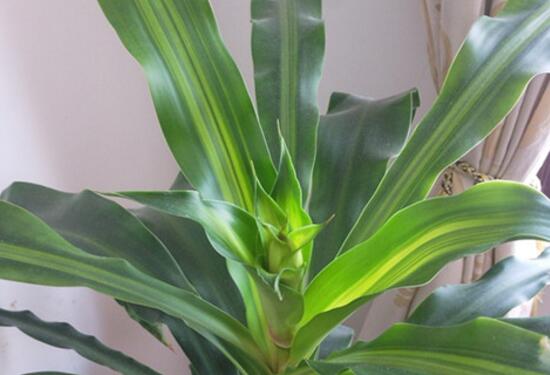
What to do when the Brazil wood plant's leaves turn yellow? Controlling water, adding light and changing the soil will solve it
The Brazil wood plant (Dracaena fragrans), a plant with a handsome, well-proportioned form, has emerald-green leaves that grow just like agave leaves, making it highly ornamental. In everyday life, many people grow Brazil wood plants, but during cultivation, many flower growers cause the leaves of the Brazil wood plant to turn yellow through improper care, seriously harming its ornamental value
-

What to do about yellow leaves on hydroponic lucky bamboo in winter? Try adding these two things
Those of you who grow lucky bamboo at home probably know that lucky bamboo turns yellow very easily, especially in winter! So what should you do about yellow leaves on lucky bamboo?
条件筛选