Adding another shrimp tank, how to convince your wife to agree
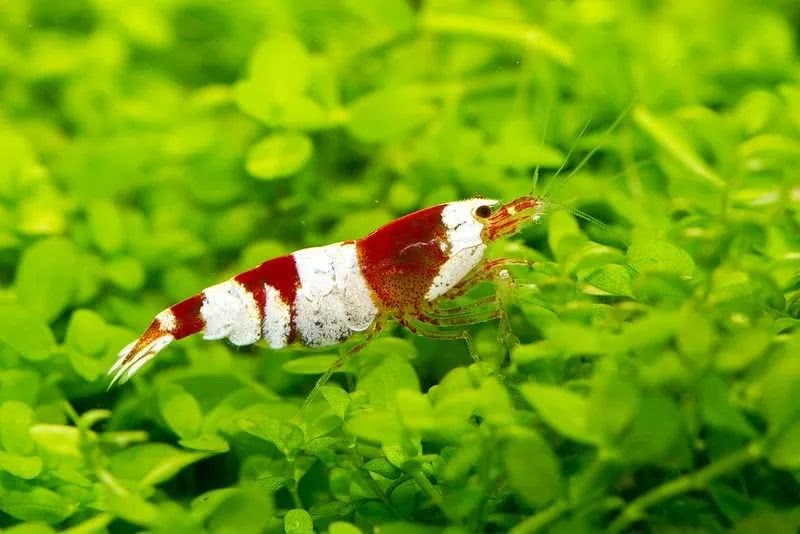
Tank specifications: 45×27×30cm
Filter: small external canister filter 360LPH
CO2: inline atomizer 12/16mm (pressurized CO2 running 10 hours)
Substrate: aquarium soil;
Lighting: LED light, 7 hours of light;
Hardscape: Seiryu stone;
Aquatic plants: dwarf hairgrass;
Tank temperature: 25°C;
A relatively small shrimp tank designed by the author in his own 70 sq m small apartment;
I still recommend using soil, because soil can maintain its own fertility for a long time, and it can promote the normal reproduction of some beneficial algae and microorganisms, and these are natural shrimp food that no commercial shrimp food can replace, and the soil itself has a certain bacteria-cultivating effect;
Tank: relatively speaking, when the tank is smaller, shrimp breed very easily;
Water quality: it is best not to use tap water, use pure water, and later add the minerals needed in the water yourself;
Nitrifying bacteria: choose a single type of nitrifying bacteria, and if you use the previous filter media, you can largely skip the nitrifying bacteria;
Lighting: you can choose LED tubes, or you can choose T5 tubes (decide according to your own situation)
First, separate the coarse and fine grains, use an ordinary undergravel filter plate, and after sieving it will break down much faster, and the particle size sieved out is just right, but with ADA there will be more fine particles sieved out;
Second, keep the inside of the tank in a moist state to prevent the aquarium soil from breaking down; the water level just needs to exceed the soil surface by 5 to 10cm;
After that, change the water, fill it up and you can add the nitrifying bacteria; in the beginning you can use tap water;
Then you can start the filtration system, or even connect a sponge filter, and you can consider putting in one apple snail; when the tank is first set up, its algae-removing effect is very good;
After one week you can turn on the light; for LED it is recommended to keep the light-on time between 8h and 12h; this may cause biofilm to appear in the tank, showing a white state, and it is nothing serious;
After that, change all the water again; fill it up, and you can add the step of strong aeration at the water surface;
After controlling this state for a period of time, do not change the water, and at around 35 days change 80 percent of it with pure water; at this time NO3 will break out on a large scale, then it will tend to stabilize, and the most effective way to solve it is to change the water; by this time the nitrifying system is already very stable, and even changing the water is not a big problem;
The end
Everyone is welcome to submit your contributions~