-

Detailed Explanation of the Main Symptoms and Onset Patterns of Eel Hyperactivity Disease
Caused by Eel Coronavirus-like Virus. Main symptoms: 1) Diseased eels dart erratically up and down in the water at the pond edge, or roll and spin, or swim backwards, with occasional paroxysmal spasmodic trembling or twisting of the head, mouth open, followed by death shortly after. There are no obvious external lesions, though slight congestion or ulceration may sometimes be seen in the oral cavity, anal fin, and pectoral fin areas; necropsy may reveal swelling of the liver or kidney. 2) In the early stage of onset, a small number of eels swim irregularly at the pond edge, swimming weakly, with intermittent head twitching, spinning and rolling, or backward movement. After a few days, a large number of eels show similar symptoms, with paroxysmal trembling of the head, and after frantic swimming at the water surface they die quickly; newly dead eels are rigid with the mouth open. The body surface of diseased fish is intact, but the lower jaw shows varying degrees of ulceration or congestion. Some diseased fish have congestion or ulceration in the oral cavity, anal fin, and tail. Most diseased fish have bright red gill filaments and pale red liver, and some have swollen kidneys. In diseased eels, red blood cells, hemoglobin, and serum chloride ions are significantly elevated, while blood urea nitrogen content is significantly decreased, and serum cholinesterase is reduced. At present, because understanding of this disease is still lacking, diagnosis can only be based on the above main symptoms. It mainly occurs in European eels and African eels, with the high-temperature summer period as the peak epidemic season, hence it is also called European eel summer hyperactivity disease. From the start of onset to the peak period is about 7 days, and mass mortality occurs about 15 days after onset; the speed of spread and transmission is very fast, and it readily forms outbreaks and epidemics.
-
What are the activity patterns of snakes? A detailed explanation
1. What are the activity patterns of non-venomous snakes? Snakes' activities follow certain patterns. Since the distribution of snake species differs, the activity patterns of snakes also differ markedly. Taking Shandong Province as an example, the activity patterns of non-venomous snakes are roughly as follows: around mid-April (Gregorian calendar) each year, when the outside temperature slowly rises to 15-18°C, all kinds of snakes wake from hibernation and crawl one after another from their hibernation dens to the entrance of the den or to sunny spots to bask. After May, once the temperature has basically stabilized, the snakes leave their dens to move about, drink water, and seek mates to copulate. However, they are not very interested in the food provided
-
Porcine yin deficiency with liver hyperactivity is one of the difficult and complicated diseases of pigs.
[Etiology] This disease mostly occurs in spring and summer. In spring and summer, yang qi is released, and the main qi of livestock tends to the body surface. When feeding and management are improper, the climate is abnormal, or the pig's own regulatory and adaptive functions are disordered, some diseases closely related to the season appear, and pigs are prone to yin deficiency with liver hyperactivity. When the liver is hyperactive, it affects the heart (the mother organ affecting the child organ). The liver opens into the eyes, and the heart opens into the tongue, so diseased pigs show red eyes, red tongue, dry mouth, and fever. Because of persistent high fever, body fluids are consumed and damaged, so symptoms such as weakness and a preference for lying down appear. Liver hyperactivity overacts on the spleen, and the spleen fails in its transportation and transformation, so appetite decreases. The liver governs free coursing
-
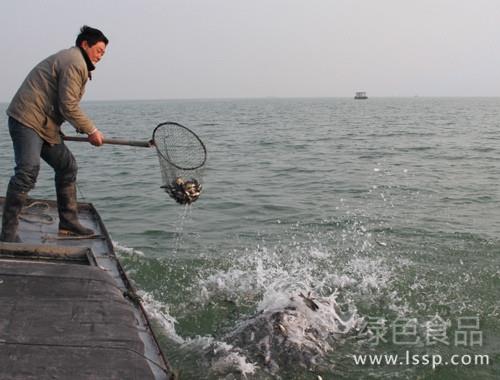
Key technical points for stocking fish fingerlings in winter: low water temperature, low fish activity, high survival rate
Low water temperature, low fish activity, high survival rate: key technical points for stocking fish fingerlings in winter
-
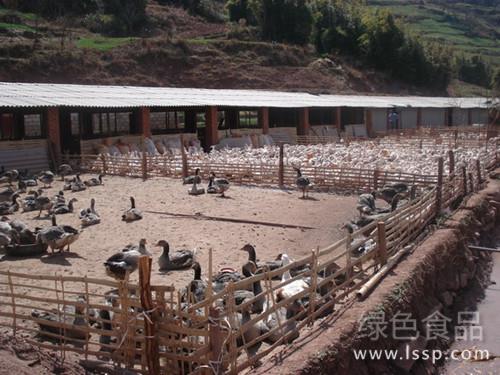
Greenhouse goose farming: a shed-based fattening method that reduces the activity of meat geese
Greenhouse goose farming: a shed-based fattening method for meat geese that reduces their activity
条件筛选