-
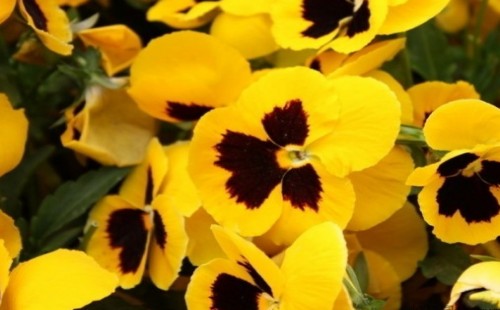
Which flowers and plants are suitable for planting in summer in Northeast China
In the northern regions of our country, such as Northeast China, winter temperatures are particularly low compared with the south. Summer also arrives a little later than in the south, so temperatures rise later as well. But in the summer in Northeast China, there are quite a few flowers and plants that can be planted. So which flowers and plants can be planted in summer in Northeast China?
-
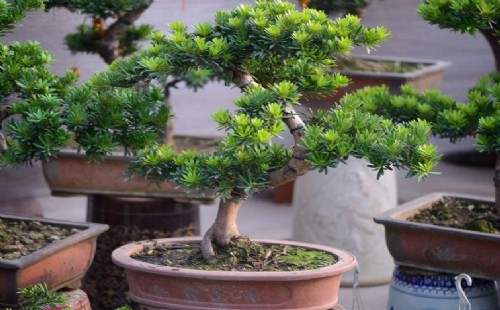
Is Buddhist pine suitable for outdoor planting in Shandong?
Everyone knows that although Buddhist pine (Podocarpus macrophyllus) has high ornamental value and is not only suitable for landscaping but also often grown as a potted plant, it is also an excellent tree species for making bonsai. However, Buddhist pine prefers warmth and light, and is very suitable for planting in southern China, while in northern China, due to the too-low winter temperatures
-
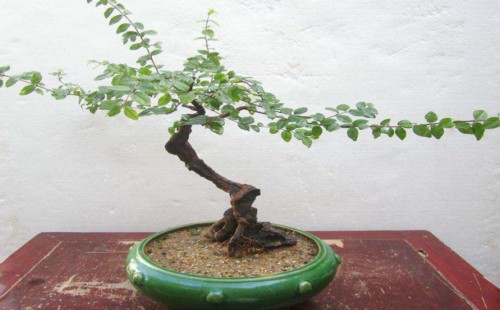
Are Sageretia bonsai suitable for growing in the north?
Sageretia is an excellent material for making bonsai, especially in Lingnan-style bonsai, where its qualities can be fully brought out. But Sageretia likes a warm, humid growing environment and is a tree species suited to tropical and subtropical regions, so it is very well suited to being grown in southern China. This is because temperatures in southern China are relatively high
-
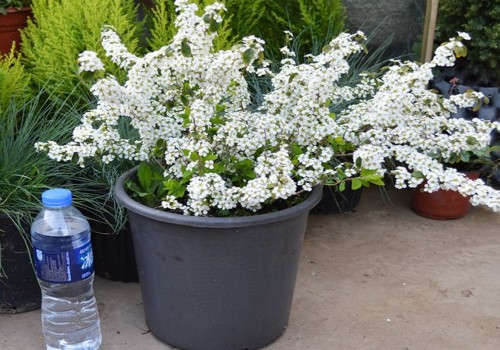
Is Sorbaria sorbifolia (false spirea) suitable for growing indoors?
Sorbaria sorbifolia is an evergreen shrub with relatively high ornamental value that is suitable for growing as a bonsai. Because it is easy to care for and very easy to keep alive, many plant enthusiasts like to grow it indoors. But when growing flowers and plants indoors, it is often necessary to consider whether this brings adverse effects on their growth and the environment.
-

How big an aquarium is suitable for keeping Japanese koi?
Keeping Japanese koi, how big an aquarium is suitable? ↑Click "Hua Wang Yu" above to follow us. Japanese koi is an ornamental fish that modern people are very passionate about, a high-end ornamental fish popular around the world, and has the reputation of "living gem in the water". Planning to keep Japanese koi...
-
After buying new koi fish, stable water quality is the key to keeping them alive
People who keep fish at the Japanese Consulate-General in Shanghai probably all know about Japanese koi to some extent. As a traditional large ornamental fish of Japan, koi are precious and brilliantly colored, and are called "living works of art," "living gems in the water," and "the king of ornamental fish." However, as early as 2003, because Japan...
-
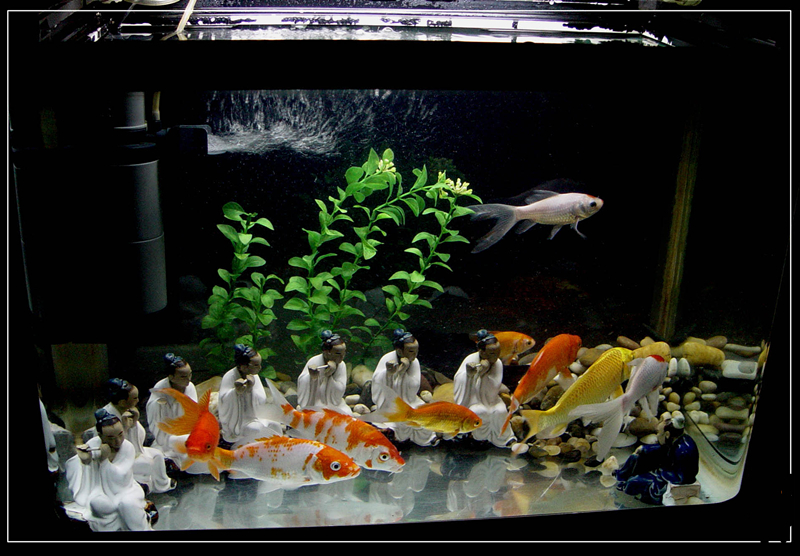
What fish are suitable for keeping with koi? Pay attention to these points when changing the water
Changing the water is an important part of the daily management of koi, and it is also the key to successful koi keeping, hence the saying "to keep koi, first keep the water." When changing the water, pay attention to the following three points: 1. The method must be correct: when draining water with a siphon hose, hold the wall of the hose, because the suction is strong during draining...
-
Where is the yellow dragon fruit native to? Suitable rootstocks for grafting and cultivation methods
Yellow dragon fruit, also known as yellow pitaya (Pitahaya Amarilla), is distributed in regions such as Colombia, Ecuador, Peru and Bolivia. Because the fruit is refined, sweet and juicy, it can be called the finest in the dragon fruit world. However, its ripening period is two to three times longer than that of ordinary dragon fruit.
-
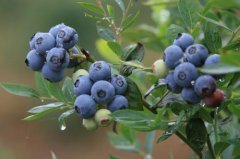
What row spacing and plant spacing are suitable for blueberry planting? Introduction to planting techniques and common mistakes
Blueberries are an important investment in health and happiness, and Nourse Farms can show you how they are one of the easiest fruits to produce. With proper attention to soil pH and wise selection of the planting site, you can harvest for 20-30 years or longer! Research shows that eating plenty of
-

Which plant and flower varieties are suitable for indoor care
1. Plants that can absorb toxic chemicals. Aloe, spider plant, tiger tail orchid - ylang-ylang and Monstera deliciosa are natural purifiers that can remove harmful substances from the air. Research shows that snake plant and spider plant can absorb more than 80% of harmful gases indoors
条件筛选