-

What pathogenic effects does feed contamination have on fish?
Because some feed products currently contain bacteria at levels far exceeding the standard, mass fish deaths occur from time to time after fish eat contaminated feed. Based on the disease symptoms in fish, it can be roughly divided into two types: acute type (explosive) and chronic type. 1. Acute type (explosive type): After fish eat contaminated feed, disease onset occurs in as much as 3 to 5 days, or as little as 1 to 2 days, with symptoms appearing; severely affected fish have already died, and the number of dead fish shows a gradually increasing trend, but feeding is not affected, and most fish can eat normally. This kind of
-
What are the symptoms of porcine proliferative enteropathy? Detailed explanation of prevention and treatment methods
Porcine proliferative enteropathy, also known as proliferative enteritis, is a common intestinal infectious disease in growing and finishing pigs. Other names include necrotic enteritis, proliferative hemorrhagic enteropathy, porcine ileitis, terminal ileitis, and porcine intestinal adenomatosis. The clinical manifestations of the disease are mainly intermittent diarrhea, decreased appetite, and stunted growth. Growing pigs and replacement gilts sometimes have bloody diarrhea and sudden death. The characteristic finding on necropsy is thickening of the mucosa of the small intestine and ileum. The histopathological change is characterized by adenomatoid proliferation of immature intestinal cells within the crypts of the ileum and colon. The disease is endemic in various parts of the world.
-
How Are Russian Olive Foods Developed and Utilized? A Full Explanation of Pathways and Value
Russian olive (Elaeagnus angustifolia L.), also known as Guixiang willow, silver willow, or Qilixiang, belongs to the Elaeagnaceae family, genus Elaeagnus. It is an evergreen shrub. Russian olive is light-demanding, cold-tolerant, highly resistant to wind-blown sand and saline-alkali conditions, grows fast, has wide uses, and holds high economic value. Russian olive is distributed in Shaanxi, Gansu, Inner Mongolia, Ningxia, **, Qinghai and other places; in ** it is found in the Taklamakan Desert and along the banks of various rivers, and it is also distributed in Yili, Toksun and other places in northern **. Russian olive is a "treasure tree" of desert saline-alkali land; its edible value and medicinal value are both very high, and it has great potential for development into green foods.
-
What causes encephalopathy in chickens?
Encephalopathy in chickens refers to diseases caused by damage to the brain tissue of chickens. The main manifestations are various neurological symptoms, such as head and neck tremors, ataxia, paralysis of the wings and legs, twisted neck, and circling. The causes are diverse, including bacterial, viral, metabolic, and toxic factors. It is caused by Escherichia coli invading the brain tissue. Necropsy shows soybean-sized grayish-white necrosis in the posterior part of the cerebral hemispheres, with depression. Clinical symptoms include head and neck tremors, unstable standing, and so on. For diagnosis, aseptically
-
Detailed Explanation of the Pathological Lesions of Chicken Infectious Anemia
The most characteristic necropsy lesion of uncomplicated chicken infectious anemia is bone marrow atrophy. The bone marrow of the femur is fatty-colored, pale yellow, or pink; the thymus is atrophied and congested, and in severe cases may undergo complete involution. As the age of affected chickens increases, thymic atrophy is more readily observed than bone marrow lesions. Bursal atrophy is not obvious and is often transient; sometimes the weight is reduced and the volume is decreased, while in most affected chickens the bursa of Fabricius appears semi-transparent. In severely affected cases, the liver and kidneys may be seen to be enlarged, yellowed, and friable. Hemorrhage of the proventricular mucosa and subcutaneous and muscular hemorrhages are sometimes observed.
-
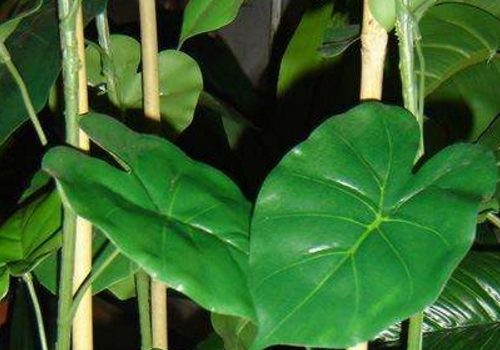
Why does Alocasia macrorrhizos get root rot and how is it different from Spathiphyllum
Alocasia macrorrhizos, many people have seen it, they just don't know its name. Why does Alocasia macrorrhizos get root rot? How is it different from Spathiphyllum? Why does Alocasia macrorrhizos get root rot: 1. Root rot in soil-grown Alocasia macrorrhizos is mainly caused by the potting soil being too wet. When the potting soil is too wet, the rhizomes of Alocasia macrorrhizos easily rot. The cause of overly wet potting soil may be that you watered too much, leading to water accumulation in the pot, or it may be that the soil is highly clayey, has poor aeration, and easily retains water on its own.
-

Sun Shougong used a magnifying glass to develop Sun-Huang microbial control materials and protect Taiwan's plant pathology
A lifelong legend in the field of plant pathology, Sun Shougong guarded Taiwan, China with a magnifying glass and developed "Sun-Huang" to launch microbial control materials
-

Rural tourism broadens the path for farmers to increase income and become prosperous
Rural tourism broadens farmers' path to prosperity
-

Rex rabbit farming opens a path to wealth: small rabbits bring big returns
A path to wealth, with rex rabbits leading the way
-

Who is the entrepreneurial pathfinder to prosperity in Fanjiachuan Village?
The pathfinder of entrepreneurship and prosperity in Fanjiachuan Village
条件筛选