-
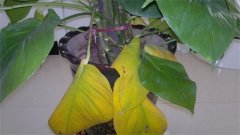
Why Are Pothos Leaves Turning Yellow? Causes and Treatment Methods
Pothos is also very common in homes and offices. It is a very easy plant to grow, yet even so, many people manage to kill it, and the most common problem is yellowing. Many analyses online say it is due to low temperatures, or too much or too little watering, but in fact these kind of beginner
-

Is Cuban oregano (touch-me-not scented plant) toxic? Explaining the causes of yellowing leaves in potted cultivation
also be used to make tea, brew soup and so on, so it has quite a few uses. Let us take a look below at <strong>Is Cuban oregano toxic? Why do potted plants show yellowing leaves?</strong></span></p> <p style="text-align: center;"></p> <p style="text-indent:2em;"><strong>1. Is Cuban oregano toxic?</strong></p> <p style="text-indent:2em;">Cuban oregano is not toxic and can emit an inviting fragrance, as fresh as mint and carrying a faint apple scent. Cuban oregano is a small potted plant that can be both viewed and enjoyed for its scent, with an aroma like mint yet slightly appley. It refreshes the mind, clears heat and relieves summer heat, and repels mosquitoes. Cuban oregano can be kept indoors. Except for some friends who are allergic to the scent, everyone else can safely grow Cuban oregano at home; it can freshen the air and give off a faint fragrance.</p> <p style="text-indent:2em;"><strong>2. Why do potted Cuban oregano plants show yellowing leaves?</strong></p> <p style="text-indent:2em;">1. Too much watering</p> <p style="text-indent:2em;">Overwatering is a mistake many flower lovers make; too much water easily causes root rot. So first you need to check whether you have watered too much. Cuban oregano does not tolerate water; too much water causes root rot, and rotten roots make the leaves turn yellow.</p> <p style="text-indent:2em;">Cuban oregano likes to grow in dry soil, so when cultivating it the soil needs to be kept alternately dry and moist; on rainy days reduce or stop watering as much as possible, because soil that is too dry or too wet can both easily cause the plant's roots to rot.</p> <p style="text-indent:2em;">In late autumn, when the temperature gradually drops, gradually reduce the frequency of watering Cuban oregano, and water appropriately when the soil surface looks dry. You can also let it get a little rain. At ordinary times it still needs to be kept in sunlight. Moreover, plants placed in the open air clearly grow better than those indoors.</p> <p style="text-indent:2em;">When the temperature is below zero, do not water. When the temperature is too low, at this time both day and night it must be covered well with plastic sheeting or plastic bags, and watering is forbidden. If it is placed in the open air, let it get some sun during the day, and at night something must cover it, otherwise it will freeze to death overnight.</p> <p style="text-indent:2em;">2. Improper fertilizing</p> <p style="text-indent:2em;">Potted Cuban oregano has limited soil, and the fertility of the soil alone is certainly not enough, so it needs fertilizing. However, too much fertilizer or a lack of fertilizer can both cause the leaves to turn yellow. Too much fertilizer causes fertilizer burn; too little fertilizer means insufficient nutrients.</p> <p style="text-indent:2em;">During its growing stages Cuban oregano does not need much fertilizer; we do not need to fertilize it deliberately, and we should keep the fertilizing frequency at about once a month. By all means avoid too much fertilizer, which causes root burn.</p> <p style="text-indent:2em;">3. Natural causes</p> <p style="text-indent:2em;">As time goes on, the stems of Cuban oregano gradually become woody, and the surrounding leaves also turn yellow and gradually wither; this is normal, and after withering new branches gradually grow.</p> <p style="text-indent:2em;">4. Insufficient light</p> <p style="text-indent:2em;">Cuban oregano loves sunlight and is slightly shade-tolerant; its suitable growing temperature is about 5°C to 10°C. We need to place it in an environment with abundant sunlight for care, so only under strong light will the fleshy leaves of Cuban oregano be thick.</p>
-
Key Points of Tomato Seedling Planting Methods and Detailed Explanation of Yellowing Causes
Tomato, also called fanqie, usually ripens and comes to market in summer and autumn. With the development of cultivation techniques, it can now basically be eaten all year round. Tomatoes are brightly colored, have a distinctive taste, and are rich in certain nutrients, making them deeply loved by consumers. Tomatoes are cultivated in many parts of our
-
How much does a four-season rose seedling cost? Solutions for yellowing leaves in potted plants
Four-season rose is also called thornless rose and purple-branch rose. It is a flowering plant with ornamental value in all four seasons: the branches are enjoyed in winter and spring, the flowers in summer and autumn, and the fruit in autumn. The common flower color of the four-season rose is purplish red, with a rich fragrance, and the flowers
-
Lemon Tree Planting Methods and Solutions for Yellowing Leaves
Lemon is a fruit with a very sour taste, yellow skin, and plenty of juice, with a rich fruity fragrance. However, it is hard for most people to eat lemons raw directly; they are mostly used to add flavor to food or to make fruit drinks, and are deeply loved by consumers. Lemon is relatively common in Guangdong and Guangxi, Taiwan, China, Fujian, and other places in our country, so
-
Pearl Podocarpus Seedling Prices and the Reasons for Yellowing Leaves in Potted Plants
Pearl Podocarpus is a new variety of Podocarpus with relatively dense leaves and a relatively short plant form. It is suitable for growing as a potted ornamental, and can also be planted in parks, courtyards and other places to absorb harmful gases from the air. Pearl Podocarpus is mainly distributed in Guangxi and other places in China
-
Why is wheat turning yellow in patches, and can it recover?
Abstract: The reasons wheat turns yellow in patches are: soil drought, shallow plough layer under straw return to the field, soil nutrient deficiency, relatively high sowing density, sowing too deep, herbicide phytotoxicity, damage from prolonged low-temperature freezing, and the occurrence of pests and diseases. Wheat yellowing is a common
-
Causes of Yellowing and Death of Young Morel Mushrooms and Watering Precautions
Abstract The causes of yellowing and death of young morel mushrooms are excessive or insufficient humidity, and the occurrence of pests and diseases can also lead to death. Young morel mushrooms can be watered, but when the temperature in the mushroom house is above 20°C, watering is not advisable. After each watering, ventilation should be carried out promptly; do not water in a closed, stuffy environment.
-
Causes of Yellowing Wheat Seedlings and Control Methods
Abstract Causes of yellowing wheat seedlings: land preparation not fine enough, base fertilizer not fully decomposed, seed-dressing pesticide concentration too high, sowing density too high, no base fertilizer applied or insufficient fertilizer, too much waterlogging in the soil, occurrence of pests and diseases, encounter with cold wave and temperature drop, etc. Control of yellowing wheat seedlings
-
Causes of Yellowing Top Leaves on Tomatoes and How to Prevent and Treat Them
Abstract Yellowing top leaves on tomatoes is a sign of tomato yellow leaf curl virus disease. It requires timely field sanitation, crop rotation, flooding the greenhouse and sealing it for more than 15 days, and appropriately delaying the sowing date. Seedling stage: heart leaves crinkle, leaf color is slightly yellow, and plants are stunted. Flowering stage:
条件筛选