-
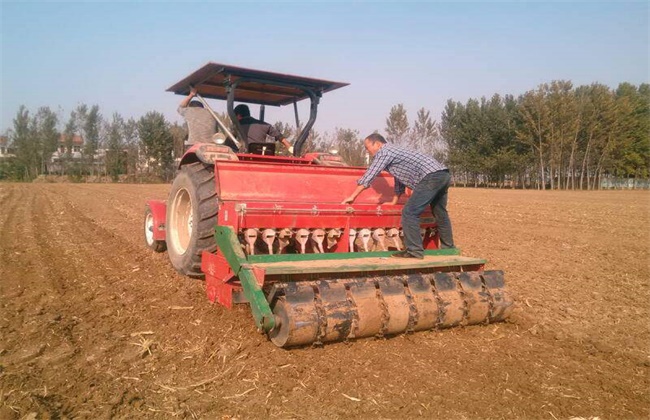
Which fertilizers are suitable as seed fertilizers? There is more to choosing a seed fertilizer than meets the eye
Which fertilizers are suitable as seed fertilizers
-
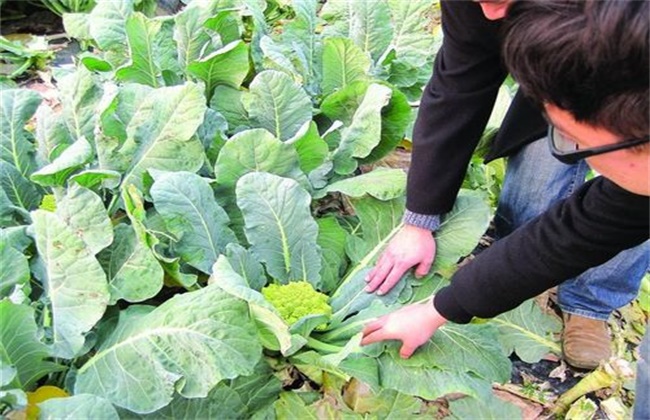
Which chemical fertilizers should not be applied to vegetables? Fertilization taboos you need to know
Which chemical fertilizers should not be applied to vegetables
-
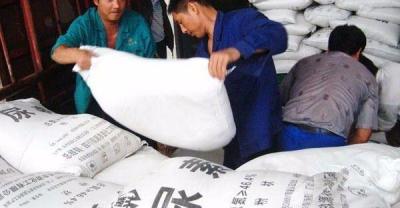
Which fertilizers are unsuitable as seed fertilizers? These fertilization basics are worth knowing
Simultaneous sowing and fertilizing of corn (1) Fertilizers containing harmful ions. Such as: ammonium chloride, potassium chloride, etc. (2) Fertilizers that corrode seeds. Such as: ammonium bicarbonate, ...
-
Which fertilizers cannot be mixed in agricultural production?
Pure urea is a white crystalline solid, while the industrial product is small white or pale yellow granules, with a nitrogen content of 44-46%. It is only slightly hygroscopic, easily soluble in water, and is a neutral fertilizer; it has the highest nutrient content among solid nitrogen fertilizers. Because it is absorbed quickly through the leaves and has a high utilization rate, its yield-increasing effect is great, making it most suitable for foliar topdressing. The spraying concentration should be based on...
-
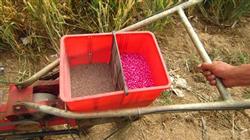
Which fertilizers are unsuitable as seed fertilizers? Understand before applying fertilizer
Three types of chemical fertilizers are unsuitable as seed fertilizers. Fertilizers containing harmful ions: ammonium chloride and potassium chloride fertilizers contain large amounts of harmful chloride ions. After being applied to the soil, they produce water-soluble compounds that burn seeds and seedlings; fertilizers such as ammonium nitrate and potassium nitrate contain nitrate ions, which seriously affect seed germination, so they are unsuitable as seed fertilizers....
-
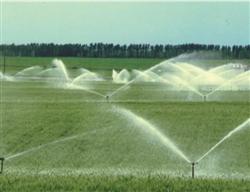
Which fertilizers cannot be applied by flushing? Fertilization taboos every grower must know
Flush fertilization is widely used on greenhouse and open-field vegetables, mainly for topdressing during the vigorous growth period of vegetables. But not all fertilizers can be applied by flushing; only water-soluble fertilizers can be applied by flushing with water. For nitrogen fertilizers, urea, ammonia water, ammonium sulfate and ammonium nitrate are commonly used; for potassium fertilizers, potassium chloride and potassium sulfate are commonly used, and potassium nitrate can also be used for flush...
-
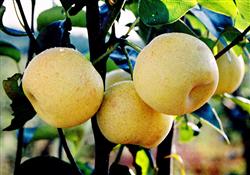
Which crops are suitable for potassium sulfate and potassium chloride application?
Which crops are suitable for potassium sulfate or potassium chloride application? Please give an introduction. Crop chloride tolerance refers to a crop's ability to endure chloride applied to the roots without suffering toxicity; the lower the concentration at which toxicity begins, the poorer the chloride tolerance. Among common crops, those with strong chloride tolerance include sugar beet, spinach, foxtail millet, kenaf, radish, chrysanthemum, rice, sorghum...
-
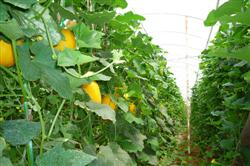
Which type of flush fertilizer is best for greenhouse planting? A full analysis of purchasing key points
Which type of flush fertilizer is good for greenhouse planting? Please explain that greenhouses should pay attention to choosing microbial flush fertilizers or fertilizers such as humic acid and fully water-soluble fertilizers, which both alleviate soil salinization and help raise ground temperature. Choose biological fertilizers. Biological fertilizers can release the nitrogen, phosphorus and potassium fixed in the soil and promote the improvement of soil fertility...
-
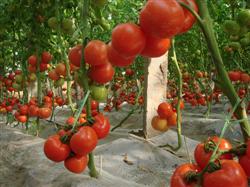
Which fertilizers should not be used for growing vegetables?
Which fertilizers should not be used for growing vegetables? Here is an introduction to the fertilizers that should not be applied when growing vegetables, for reference: Ammonium nitrate and other nitrate nitrogen fertilizers generally should not be applied to vegetables. After nitrate nitrogen fertilizers are applied to vegetable fields, they can multiply the nitrate content in vegetables. Nitrate is easily reduced to nitrite in the human body...
-
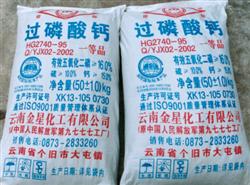
Which fertilizers cannot be mixed? Remember these mixing taboos
Which fertilizers cannot be mixed? What are the reasons? We also ask knowledgeable readers to help explain. Because farmers do not understand the properties of chemical fertilizers and mix them carelessly, some crops wither, burn to death, and have reduced yields. Therefore, Zhongdi Web has compiled the reasons why fertilizers cannot be mixed, and they are listed in detail below for readers' reference....
条件筛选