-
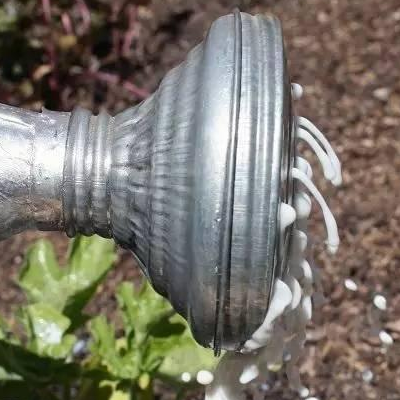
The benefit of using milk for plants is that it can control aphids and other soft-bodied pests.
Milk, which many people enjoy, is great to have a bottle of every day, but what are the benefits of using milk for plants: Milk as fertilizer. Milk is a great source of calcium, and this principle applies to plants as well. Milk can be used on some common vegetable plants.
-
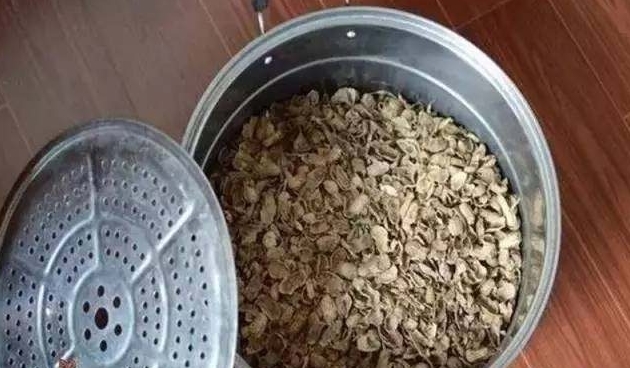
What are the methods and benefits of using peanut shells to grow flowers
Peanut shells, everyone has seen them, nobody eats peanut shells, and the taste of peanut shells is not good at all. How do you use peanut shells to grow flowers? What are the benefits of using peanut shells to grow flowers: How to use peanut shells to grow flowers: Step 1: Crush the peanut shells from your home, preferably roasted and plain peanut shells
-

-
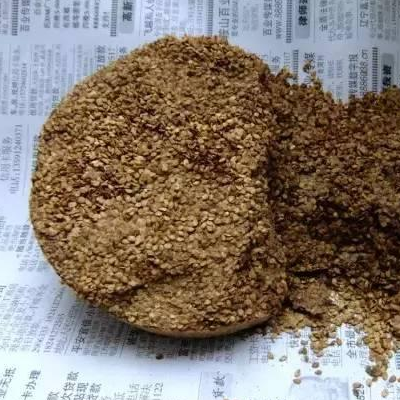
How to ferment cake fertilizer? Methods and tips for using bone meal to grow flowers
When growing flowers, you need to use flower fertilizer, but you always feel that the fertilizer you buy is not good. How do you ferment cake fertilizer? How do you use bone meal to grow flowers: How to ferment cake fertilizer: You can collect residue such as soybean cake, ferment and decompose it, and turn it into organic compost suitable for promoting plant growth. Seal and ferment the residue produced by pressing various oil crops until decomposed
-
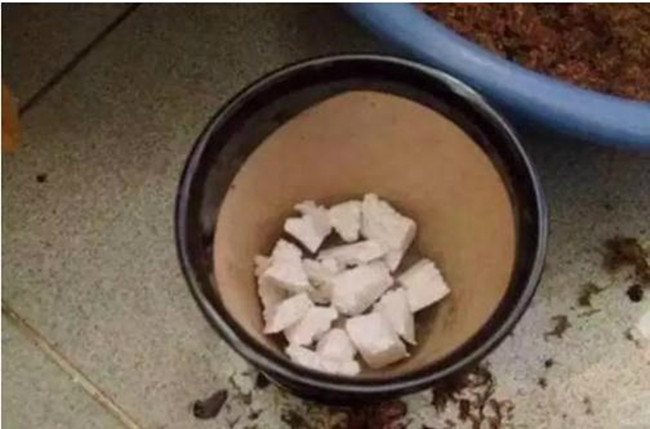
Using foam at the bottom of the pot for pothos: can it make roots strong and the pot overflow without root rot?
Pothos is found in many people's homes and is super easy to grow, usually in water. So can foam be used at the bottom of the pot for pothos? When we buy home appliances, there is a lot of foam padding inside. Cut the large pieces of foam into small pieces with scissors and place them at the bottom of the pot for pothos.
-
Cotton production outlook not optimistic, experts recommend focusing on four management measures
Reporters learned from the province-wide cotton production and high-yield creation work conference held on August 26 that this year's cotton production situation in our province is extremely unoptimistic. In response to the current realities of cotton production, attending experts recommended that cotton farmers focus on four measures. This year's cotton production in our province is characterized by reduced area, lower per-unit yield, and decreased total output. According to incomplete statistics, the province's actual harvested cotton area is around 11 million mu, a decrease of more than one million mu compared to last year. Cotton per-unit yield is expected to be 70-75 kg, with total output of 75-80 million tons, a decrease of 10
-
What are the advantages of using extruded floating feed to farm the four major Chinese carps?
Farming grass carp (Ctenopharyngodon idella) with extruded floating complete compound feed has many advantages, such as lowering costs, protecting the aquaculture water environment, and high utilization rate. In countries with advanced aquaculture technology such as the United States and Japan, to meet the needs of the environment and fishery production, floating aquatic feed has been widely used since the 1980s. In recent years, China has also vigorously promoted the use of floating aquatic feed, developing rapidly, and many famous, special and high-quality aquatic products have already used it in large quantities, but in the use of extruded floating fish feed to farm the four major Chinese carps, there is still
-
Queen bee rearing method: rearing queens using natural supersedure queen cells
Select excellent colonies with old queens as breeding stock; when they build supersedure queen cells, select and retain them. Move the comb with natural queen cells up into the super, place unsealed brood combs on both sides, insert a queen excluder between the brood box and the super, confine the queen to the brood box, and record the emergence date of the queen from each natural queen cell. Natural supersedure queen cells can be taken successively from this old-queen colony; queens from natural supersedure allow the excellent traits of the stock to be passed on more stably. When this natural supersedure occurs, the colony generally builds only a few queen cells, and the reared queens are of relatively good quality
-
Correct methods for using rice-specific compound fertilizer
Rice-specific compound fertilizer is a medium-concentration compound fertilizer developed according to the patterns of nitrogen, phosphorus, and potassium requirements of rice after transplanting, and it is most suitable for use as a basal fertilizer in rice transplanting fields. It has the characteristics of "low cost," "convenient use," "fast greening-up," and "good safety." After use, it can enhance crops' resistance to lodging, pests, and diseases, with obvious effects in increasing yield and income. Methods of use: as a basal fertilizer for rice, the dosage is generally 25 kg/mu, and no other chemical fertilizers need to be applied. After fertilization, rice seedlings can be transplanted immediately without
-
Be careful when using fishery drugs; these details cannot be neglected
How to prevent and treat fish diseases and correctly use fishery drugs is very important. If fishery drugs are not used correctly, it will bring economic losses to aquaculture farmers. In this regard, Li Zhengjun, director of the Fishery Drug and Fishery Feed Division of the Sichuan Provincial Fisheries Bureau, said that some fishery drugs are banned by the state. If they are used, they will lead to very serious consequences. He hopes that aquaculture farmers will never use banned fishery drugs. There are 32 banned fishery drugs in total, namely phorate, benzene hexachloride, lindane, toxaphene, dichlorodiphenyltrichloroethane DDT, calomel, mercurous nitrate,
条件筛选