-
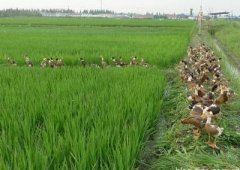
Using natural pest enemies, an agricultural natural factor, to protect the ecological environment
Humans need food, and society needs agriculture, so what should we do to develop agriculture better, and is agriculture bound to cause some damage to the ecology? In order to use fewer pesticides and protect the ecology, the "Sharing Nature" special exhibition soon to be held at the Smart Agriculture Pavilion in the Waipu Park of the Taichung World Flora Exposition
-
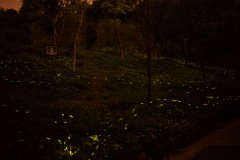
Are fireflies beneficial insects or pests? Where can you see them, and why is the environment causing their numbers to decline?
Fireflies are beneficial insects. Fireflies are environmentally sensitive insects, extremely attuned to changes in the natural environment. Their numbers are now declining more and more, and they can only be seen in environments with mountains and water that are clean and pollution-free. Zhang Mingzhong, deputy director of Dongshi Forest Farm, said that because
-
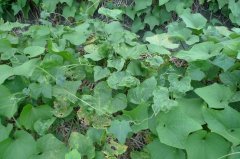
How to prevent and control gummy stem blight and viral diseases spreading in farmland due to temperature and continuous rainfall?
Recently, temperatures have gradually risen, and combined with continuous rainfall, the weather has been unstable. The Hualien District Agricultural Research and Extension Station has found that "gummy stem blight" and "viral diseases" are gradually spreading in the chayote shoot fields of the Ji'an area in Hualien County. Farmers are advised to take preventive measures as early as possible to avoid affecting
-
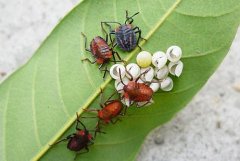
How should the eggs of the litchi stink bug be disposed of? Using Anastatus wasps still requires pairing with physical control methods
Recently, as temperatures have gradually risen, reports of large numbers of litchi stink bugs (Tessaratoma papillosa) activity and breeding have been coming in from all over Taiwan, China. Because the litchi stink bug causes reduced fruit yields in longan and litchi, farmers mostly use pesticide spraying and manual pest removal for control, or release Anastatus wasps to suppress litchi stink bug numbers.
-

What are the application methods and precautions for using ammonium bicarbonate to control pests and diseases?
Ammonium bicarbonate is a fast-acting nitrogen fertilizer that can quickly provide nutrients for crop growth and can also effectively control the occurrence of crop pests and diseases. Many farmers use ammonium bicarbonate to control pests. What are the application methods for using ammonium bicarbonate to control pests and diseases? What are the precautions?
-
Introduction to Seed Melon Varieties and Key Points to Know About Fertilizer Use During Planting
The seed melon is a variety of watermelon, mainly grown to obtain the seeds, which are the watermelon seeds we eat, and it has high economic value. The seed melon prefers sandy loam soil in its native area, tolerates poor soil, is not suitable for continuous cropping, is drought-tolerant but afraid of waterlogging, is a warm-loving and heat-tolerant crop, and has a well-developed root system.
-
What common mistakes are made when using plant regulators?
Plant growth regulators are organic compounds that are artificially synthesized (or naturally extracted from microorganisms) and have growth and development regulating effects similar to natural plant hormones. What common mistakes are made when using plant regulators? I. Introduction to the use of plant regulators
-
A Detailed Guide to Using Trichoderma harzianum and Its Effects
Trichoderma harzianum can be diluted with water and sprayed according to the dosage instructions. The best time to use it is during the seedbed stage: apply once after sowing, then apply half the amount again at transplanting, and after that top up with half the amount of the fungal preparation every 3 months. For short seedling-raising periods, one application is enough. I. Effects
-
What are the precautions for using abamectin?
Abamectin is a widely used agricultural or veterinary fungicide, insecticide and acaricide, also known as avemectin. We all know that this kind of chemical agent is toxic to a certain extent, so what precautions should we take when using abamectin?
-
How to grow Panax notoginseng in pots? Here's the method
Panax notoginseng is also called Tianqi, ginseng notoginseng, or shen sanqi. It is a relatively common Chinese medicinal herb, mainly produced in Wenshan Prefecture, Yunnan Province, China. Panax notoginseng is mainly consumed for its dried rhizome, which can be ground into powder and has effects such as reducing swelling, dispersing blood stasis, and relieving pain. Because Panax notoginseng
条件筛选