-
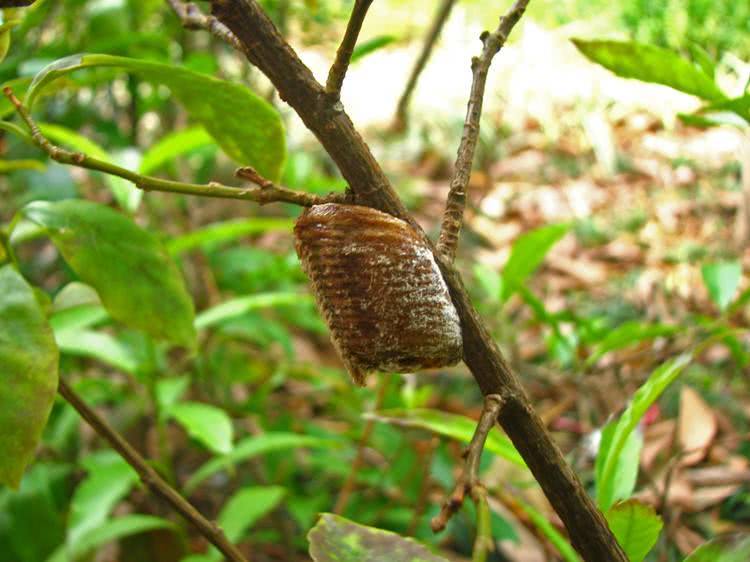
If you come across a "zouniaogou" on a mulberry tree, don't miss it, for it is now worth a fortune.
Speaking of folk "home remedies" for treating illnesses, they are all bizarre and varied, yet they are said to work wonders on even the most stubborn cases. Some of these folk prescriptions really do hit the mark with remarkable accuracy, but their raw materials are rather peculiar. Especially for children who grew up in the countryside, chances are they all have...
-
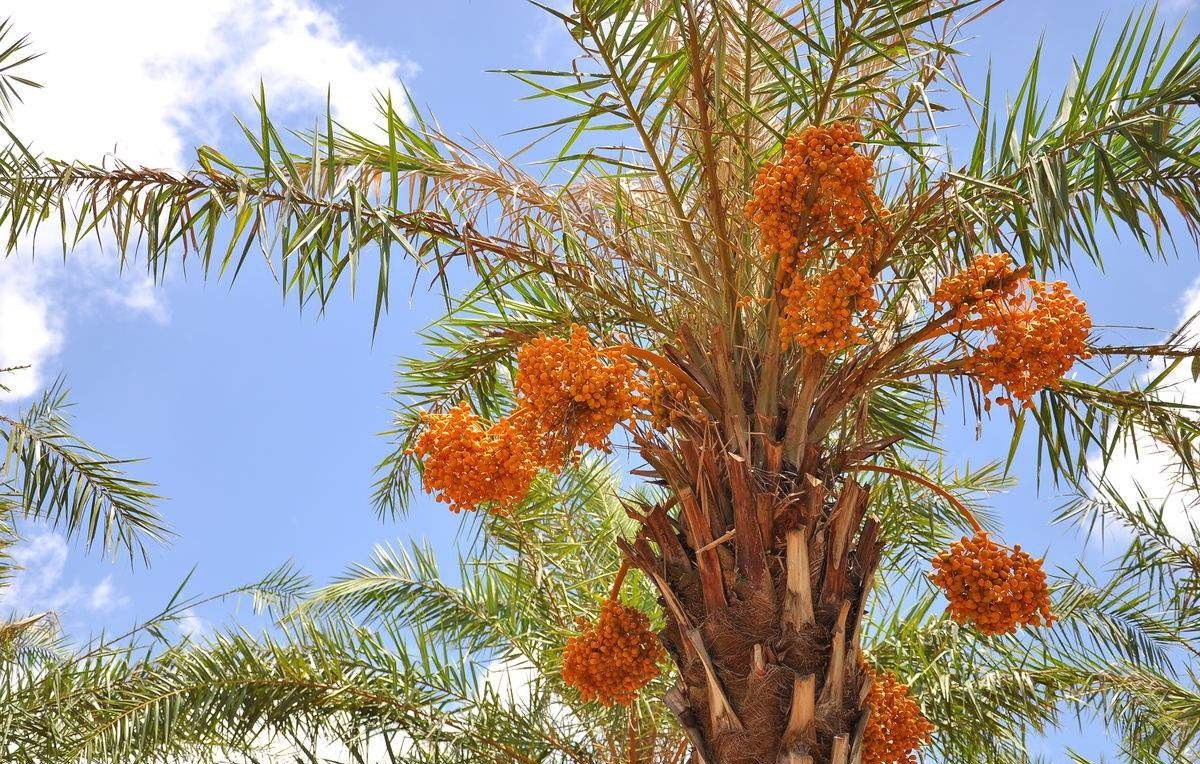
The king of fruits: one tree bears several thousand fruits, enough for a whole family to eat for an entire year
The plants and animals that survive in hot regions are no ordinary beings, and the "date palm," which likes to grow in tropical and subtropical regions, is a symbol of the extraordinary. Looking at its appearance, it resembles an ordinary palm tree somewhat, and a sago cycad somewhat, but they...
-
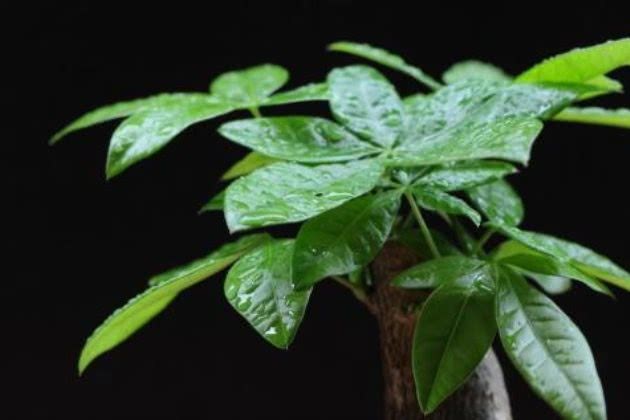
What are the watering methods and precautions for the money tree?
The money tree (botanical name: Pachira aquatica) is one of the indoor green plants that many people like to grow. Whether in company offices, lobbies, shopping malls or individual homes, the money tree can be said to be everywhere. The money tree is not only a...
-
Applying phosphate fertilizer early and sufficient potassium fertilizer to pomelo trees can achieve high yields
Pomelo, also known as honey pomelo, has branches, leaves and fruits that are thicker, wider and larger than those of citrus. It has high yields per mu and requires large amounts of fertilizer, making it the "big eater" of the citrus family. The main pomelo production areas are mainly in South China, where the soil is severely deficient in potassium, and the application rate of potassium fertilizer is roughly the same as that of nitrogen fertilizer. For balanced fertilization of nitrogen, phosphorus and potassium in pomelo, it is necessary to control nitrogen fertilizer, apply phosphate fertilizer early, and apply...
-

Pruning Methods and Technical Key Points for Young Bearing Apricot Trees
How to prune young bearing apricot trees? The main task of pruning young bearing apricot trees is to continue developing good scaffold branches, develop good fruiting branch groups, expand the canopy, promote canopy development, and promote early production. Young bearing trees still have a large growth volume, and pruning should still balance three aspects: shaping, expanding the canopy, and fruiting. In terms of pruning...
-
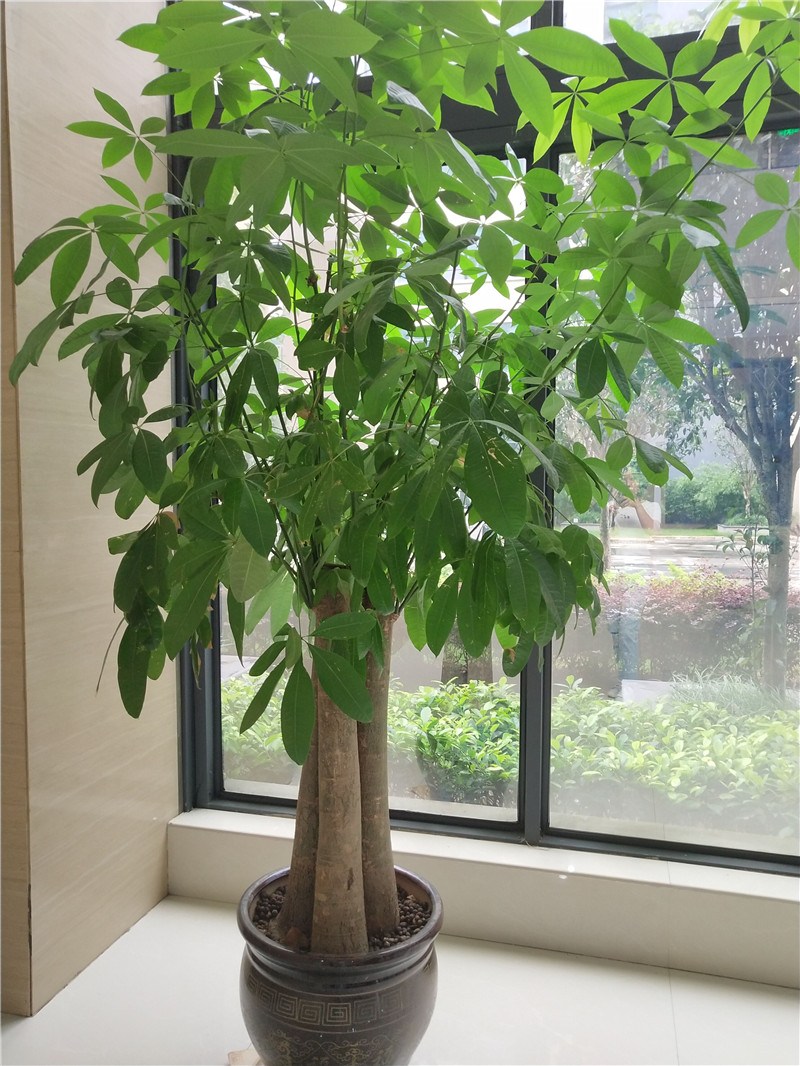
Grow a money tree with roots thicker than your calf, bringing both fortune and a commanding presence
Lately the weather in the south has been rainy, with rain falling at the slightest provocation. Fortunately, the indoor plants have not suffered the battering of wind and rain like those outdoors, and their growth has actually been quite good. A friend sent a photo of their money tree at home. Wow, at a glance, it was growing so...
-
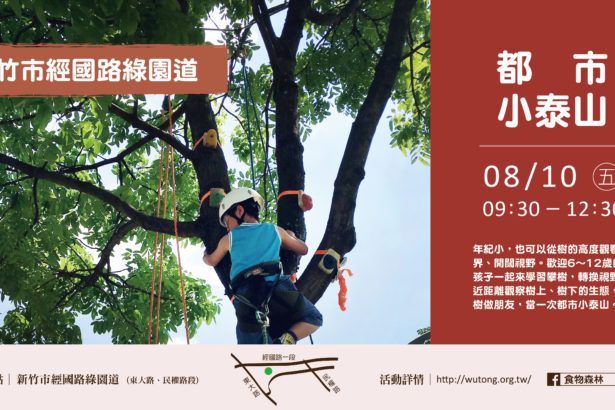
Hsinchu City Food Forest Series August 10 Urban Little Tarzan Tree Climbing Experience
8/10 [Urban Little Tarzan] Tree Climbing Experience Activity - Hsinchu City Food Forest Series
-
What are the environmental requirements for apricot tree growth?
Apricot is a perennial deciduous fruit tree that can grow to over 10 m tall in the wild. It is long-lived and prefers sunlight, tolerates cold, drought, and poor soil. It is extremely adaptable to external environmental conditions, and the range suitable for cultivation is also very wide. In its main production areas, the annual average temperature is -5 to 22°C, the annual accumulated temperature of ≥10°C is 1000 to 6500...
-
Detailed Explanation of Key Points for Fertilization and Water Management Techniques for Apricot Trees
I. Fertilization In the first year after planting, young trees are fertilized with light, frequent applications in order to rapidly expand the canopy and form a certain number of flower buds. The first fertilization is applied when the trees sprout after planting, after which a topdressing is applied once every 15-20 days, mainly with urea, combined with phosphorus and potassium fertilizers and organic fertilizer. Topdressing is stopped in early July, with appropriate water control...
-
What are the key points of winter pruning techniques for apricot trees?
Brief introduction: Brown rot Brown rot is also known as fruit belly disease. In rainy years, if fruit-boring pests are severe, brown rot becomes epidemic year after year, causing a large amount of rotten fruit and fruit drop, resulting in great losses. 1. Symptoms It can infect flowers, leaves and fruit, with fruit suffering the most serious damage. (1) Floral organs: When flowers are affected, they turn brown and wilt, mostly...
条件筛选