-
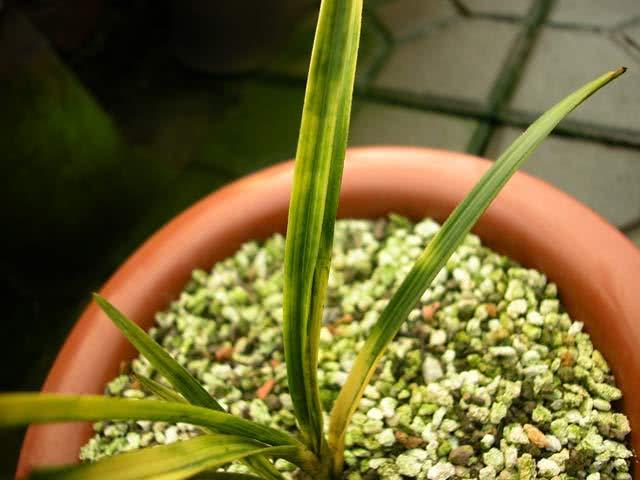
Tiger-stripe orchid fakes are getting more sophisticated - a veteran orchid grower teaches you how to tell real from fake
There really are quite a few fake tiger-stripe orchids on the market, and the forgery techniques are getting better and better. The tiger-stripe orchids you spend a lot of money on often, after a year or so of growing, have old growths that fade and lose their variegation, while the new growths show no variegation at all, so you lose interest and set them aside. Looking at the characteristics of tiger-stripe variegation...
-

How to tell when potting soil is short of water? 6 methods to make watering easier
Whether potting soil is short of water is rather hard to judge. Although there are many watering principles for succulent growers to refer to, not every pot of succulents fits them. After all, the air humidity and sunlight intensity at home both affect whether the potting soil is dry or...
-
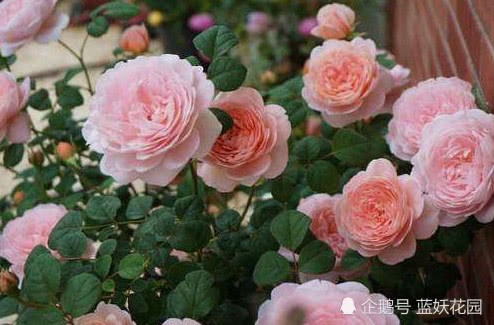
Bought a rose and it bloomed small white flowers? Blue Goblin teaches you to tell real roses from fake ones
0005. So sad, every rose I buy turns out to be small white flowers, Blue Goblin teaches you how to tell real roses from fake ones! In spring, Blue Goblin serialized and shared 100 articles on growing roses, which also sparked a strong interest in roses among many flower lovers...
-
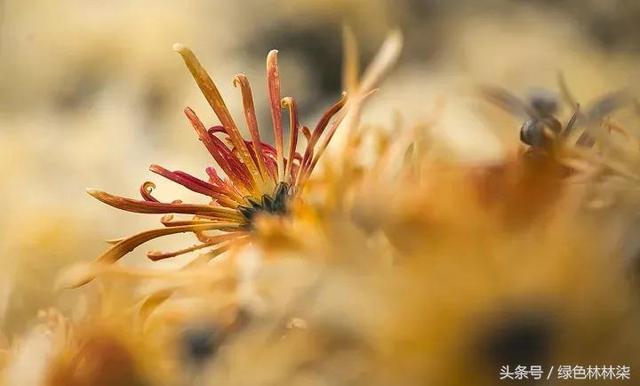
How can chrysanthemums be made big and beautiful? A chrysanthemum-growing expert tells you why
"Its soaring fragrance penetrates Chang'an, the whole city clad in golden armor." Every year in golden October, Wuhan turns into a sea of chrysanthemums. Now it is already mid-September. How are your chrysanthemums doing? In this issue we have invited a horticulture expert to explain chrysanthemums...
-
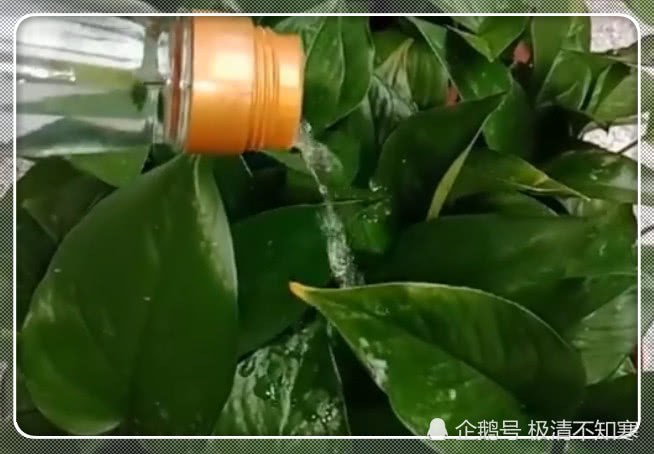
White vinegar in flower pots actually has amazing uses, tell your family quickly
White vinegar is an essential seasoning in the kitchen, and many people keep a few bottles at home. In fact, pouring it into flower pots has many unexpected benefits, but unfortunately many people do not know about them. Let's take a look. First, pour a small amount into a container...
-
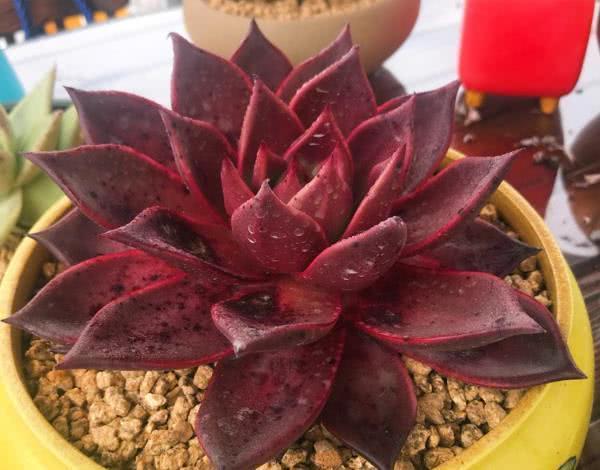
How do you tell when a succulent has gone dormant? Pay attention to the leaves
Dormancy in succulents is part of their life cycle. When light and temperature are no longer suitable for them to be active, they need to rest in order to stay healthy. And your job is to accompany them through this period...
-
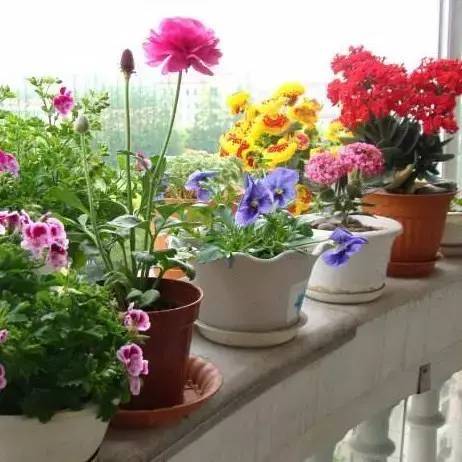
Sprite mixed with soap has a clever use; I only found out after drinking it for over 20 years. Tell your family quickly.
Learn a bit of balcony gardening technique and I'll teach you to grow these plants. Not only are they easy to care for, they can also repel mosquitoes and purify the air. Follow In real life, soap is a very common cleaning product for us, and Sprite is a beverage many people like to drink...
-

What is the difference between Acer henryi and Acer griseum? A quick guide to tell them apart
Tree: Acer henryi can reach a height of 10 m, the bark is a relatively light brown, and the branches are cylindrical; Acer griseum is generally 10-20 m tall, the bark is a relatively dark brown, with oval thin flakes peeling off the trunk, and the current-year twigs are pale purple. Leaves: the leaves of Acer henryi have a papery texture and are compound leaves made up of three leaflets, oval in shape; the leaves of Acer griseum have 2-3 irregular serrations along the edges, with short, small petioles.
-
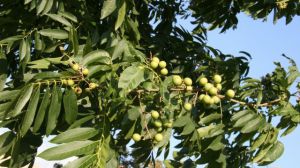
What are the differences between the soapberry tree and the goldenrain tree? A quick guide to telling them apart
Tree shape differences: The soapberry tree can grow to over 20 m, while the goldenrain tree generally only grows to 7-13 m, shorter than the former. Leaf differences: The total length of the soapberry tree's leaves and petiole is 25-45 cm, with 5-8 pairs of leaflets on them. The goldenrain tree's leaves are about 50 cm long, with 5-8 pairs of leaflets on them. Its leaflets are rounder than those of the former.
-
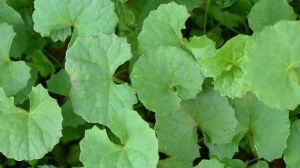
What is the difference between Farfugium japonicum and Centella asiatica? A quick guide to telling them apart
Leaf differences: The leaves of Farfugium japonicum are kidney-shaped, 9-13 cm long; the leaves of Centella asiatica are round, kidney-shaped or horseshoe-shaped, 1-2.8 cm long. Flower differences: The flowers of Farfugium japonicum are pale yellow, oblong or spoon-shaped oblong; the flowers of Centella asiatica are purplish-red or milky white, with ovate petals that are membranous, and a style about 0.6 mm long.
条件筛选