-

Northeast japonica rice market remains stable, with the "strong paddy, weak rice" trend prominent
Recently, the Northeast japonica rice market has been operating steadily, with the "strong paddy, weak rice" feature prominent. Unlike the sharp rise in long-grain paddy, against the backdrop of strict moisture and impurity deductions at state reserve warehouses, round-grain paddy has performed relatively steadily, with only low-moisture paddy seeing an increase of about 2-3 fen compared with last month
-
Raising agricultural competitiveness requires stronger structural reform
Valuing agriculture and strengthening the foundation is the basis for bringing peace to the people. The Central Rural Work Conference held before New Year's Day accurately grasped the current situation of agriculture and rural work, and made a major deployment to focus on strengthening structural reform on the supply side of agriculture, charting a practical path for enhancing the momentum of innovation, fostering development advantages and raising agricultural competitiveness.
-
Push modern agriculture to a new level and accelerate the building of a strong, rich, beautiful and advanced countryside
Report from our newspaper (Reporter Geng Lian) On December 31, 2015, the Standing Committee of the Provincial Party Committee held a meeting to convey and study the spirit of the Central Rural Work Conference, and carefully studied the "Opinions on Implementing the New Development Concepts and Deepening the Implementation of the Agricultural Modernization Project to Build a Strong, Rich, Beautiful and Advanced New Countryside"
-
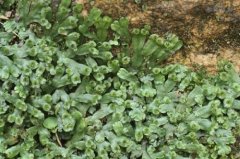
What kind of plant is Porella and is its moss vitality strong
Porella is a variety of moss. This moss mainly grows in four places: ditch sides, tree trunks, stone walls and earth slopes. The distribution areas are Tibet, Gansu and other places. Its vitality is very strong. Porella is a large-bodied species among bryophytes,
-
Greenhouse Planting Management Techniques for Windy Spring Days: Master 3 Points and Save Money
Although the warm spring breeze is truly delightful, it can bring certain troubles for farmer friends who grow crops in greenhouses. A single careless moment can damage equipment and increase planting costs. So what are the greenhouse planting management techniques for windy spring days?
-
What pesticide is effective for controlling root maggots in garlic chive fields
Garlic chives have strong adaptability and are resistant to cold and heat, and are cultivated everywhere across the country. So what pesticide should be used for root maggots in garlic chive fields? 1. What pesticide should be used for root maggots in garlic chive fields? Use chlorpyrifos 2000x solution and Admire 3000x solution for root drenching, drenching once every 7 days, for 3 consecutive times, and the control
-
How to grow cucumber seedlings: how to cultivate strong seedlings during the cucumber seedling stage
Summary. Selecting varieties: choose excellent varieties suited to the local consumer market. Soaking seeds to promote germination: soak in hot water at 52-55°C for 30 minutes, then place in a germination box at 26-30°C to sprout. Preparing seedling soil: choose peat, perlite and vermiculite. Sowing seeds: sow the seeds
-
Detailed Guide to Pineapple Planting Methods and Management Techniques
Summary Potted: Select a healthy pineapple, cut off the crown with a knife, then tear off the lower bracts, place in a cool, ventilated spot for about 3 days; root tips will appear in about a week, then transplant it into a flower pot; in winter it needs to be moved indoors. Open-field planting: choose loose, well-drained
-
How to grow strawberry seedlings that are both short and strong? Detailed seedling cultivation techniques
Summary Water and fertilizer management: In summer, water thoroughly and appropriately, and apply quick-acting fertilizer before the peak growth period. Loosening soil and weeding: Combine with intertillage weeding; in the early stage of weed growth, use the chemical herbicide 48% trifluralin emulsifiable concentrate at 150-200ml per mu diluted in 40-50kg of water for spraying. Remove leaves and buds: Remove dead leaves to
-
Cymbidium sinense growing methods and watering techniques: fertilize lightly, avoid strong doses, and adjust watering according to the season
Summary Growing methods: Cymbidium sinense prefers a warm, humid and well-ventilated environment, avoids direct sunlight and water accumulation in the pot. The most suitable growing temperature is 20-28°C. In winter it can be moved indoors or a plastic shed can be built to help it overwinter. Fertilizing should be light rather than strong, from late spring to late autumn
条件筛选