-
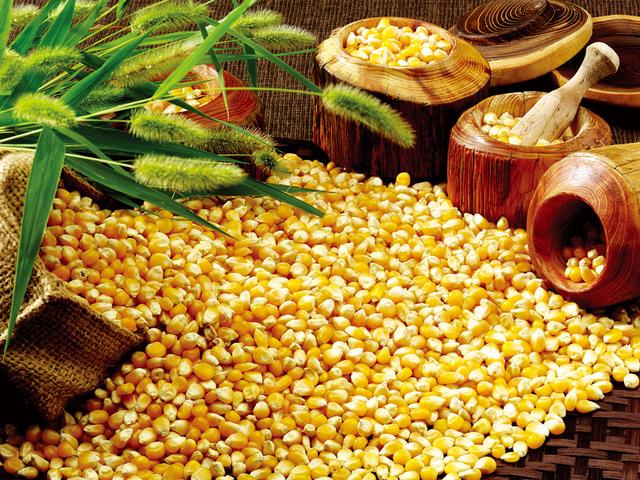
Starting this year, corn planting is no longer allowed in the Huang-Huai-Hai summer sowing region. Is your area affected?
Starting this year, corn planting is no longer allowed in the Huang-Huai-Hai summer sowing region either. See if your area is affected.
-
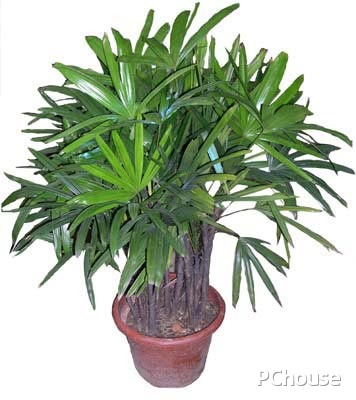
How to grow Rhapis excelsa (broadleaf lady palm)? These care tips make it easy to get started
Because Rhapis excelsa prefers a semi-shaded environment and must not sit in waterlogged conditions during cultivation, the following points should be noted when caring for it: 1. During the growing season, water should be sprayed on the leaves often; it is suitable for growing in pots. 2. Although Rhapis excelsa is shade-tolerant, it still needs appropriate light; too little light will cause the leaves to turn yellow.
-

How to Grow Calla Lilies? A Detailed Guide to Cultivation Methods to Help You Get Started Easily
Calla lilies are a very common flower in our daily lives, and many people want to grow them themselves but do not know how to go about it. The editors at Yiqi Zhuangxiu Wang remind you that when growing calla lilies, you must first master some relevant knowledge
-
Getting Started with Tarantula Keeping: Essential Tools and Substrate for Beginners
What tools are needed for keeping tarantulas? What substrate is best for tarantulas. Essential tools for keeping 1. Enclosure: You can choose an acrylic box or a plastic enclosure, or even buy a storage box and drill holes in it. Basically, the size just needs to be 1 to 2 times the tarantula's leg span.
-

At what age do dogs start wanting to mate?
After a puppy is born and reaches a certain age, the male dog can produce sperm capable of fertilization, and this is called sexual maturity. Maturity does not mean the dog has reached the period when it can reproduce, because the dog's body has not yet fully developed and matured. Around 12 months of age is the suitable time to begin breeding. Generally, small dogs reach sexual maturity earlier, while large dogs reach sexual maturity later. Sexual maturity is generally considered to occur at 8-12 months after birth, with some as early as 6 months. This also varies across different regions. For small and medium-sized dogs, 1-1.5 years, the survival rate of offspring is high, and for large dogs, starting breeding at 2 years of age is most suitable.
-
Four key points for fish farming at the start of spring
1. Fertilization: In early spring, when the pond water temperature stabilizes at 8°C to 10°C, start applying additional fertilizer to cultivate natural food organisms in the water. The amount of fertilizer should be determined based on the fertility of the water and the quality of the fertilizer. Generally, apply 60 to 90 kg of human and animal manure per mu, or 100 to 150 kg of livestock manure. If chemical fertilizer is used, follow a nitrogen-to-phosphorus-to-potassium ratio of 1:1:0.5. When applying, first crush it, mix it with water, and splash it evenly over the entire pond. The total amount per mu is 3 to 7 kg, with each application spaced 5 to 10 days apart. Keep the pond water a yellowish-brown or yellow
-
Key Points of Fine Management Techniques for Chickens Starting to Lay in Autumn
Autumn is exactly the initial laying stage for chickens raised in spring, and the flock management during this period is related to the economic benefits of the chicken farm (household). Therefore, the following management measures should be taken for laying hens that have started to lay: Timely switch to transitional feed. Generally, chickens at 20 weeks of age are switched to pre-laying feed, also called transitional feed, in which calcium is 1% and crude protein is 16.5%. When changing feed, the feed transition process should be gradually completed over half a month. Do not rush it, to prevent diarrhea. When the laying rate reaches 2%-5%, the feed calcium content should be 3.4%-3.5%, and the crude protein content should reach 18%.
-
Key Points of Fine Feeding Techniques for Hens Starting to Lay in Autumn
Autumn is exactly the initial laying stage for chickens raised in spring, and the management of the flock during this period is related to the economic benefits of the poultry farm (household). Therefore, the following management measures should be taken for hens starting to lay: 1. Timely switch to transitional feed. Generally, chickens at 20 weeks of age are switched to pre-laying feed, with calcium at 1% and crude protein at 16.5% in the feed. When switching feed, the transition process should be completed gradually over half a month; never rush it, to prevent diarrhea. When the laying rate reaches 2%-5%, the feed calcium content should be 3.4%-3.5%, and the crude protein content should reach 18%.
-
How to manage a fish pond after the start of winter? These tips you need to know
1. Pond renovation. Use the winter slack season to renovate the pond: turn small ponds into large ponds and shallow ponds into deep ponds. After renovation, the pond's water-holding capacity can be increased and the pond environment improved. Ponds in relatively good condition should also be drained, and excessively thick mud dug out so that the mud thickness is kept at around 20cm. Remove weeds around the pond and raise and reinforce the pond embankments. 2. Pond disinfection. A properly repaired pond should be disinfected with quicklime. Pond disinfection should be carried out on a sunny day. For dry disinfection, use 50-80kg of quicklime per 667 sq m
-
Spring management of garlic after overgrowth must start early
For garlic sown in autumn 2006, temperatures from planting through early December remained higher than in previous years, which accelerated the growth of the garlic sprouts. Before winter, the garlic grew to 7-10 leaves (the optimal seedling age for overwintering is 5-7 leaves), showing overgrowth, and had already begun "mother bulb rot," with pest problems occurring. As a result of overly rapid growth, the garlic suffered from poor nutrient accumulation, reduced stress resistance, slow greening after the New Year, severe disease, and reduced high-yield potential. In spring, garlic must complete a series of growth processes including greening, vigorous seedling growth, garlic scape elongation, and bulb enlargement. On the basis of applying sufficient base fertilizer, garlic in spring
条件筛选