-

Prospects for using mulberry stalks to grow edible fungi look promising
The Microbiology Experimental Plant of the Guangxi Academy of Sciences Institute of Biology recently invented a technique for growing edible fungi using mulberry branches and stalks, and is carrying out an industrialization demonstration in the sericulture experts' compound in Luoxi Town, Yizhou City, Guangxi. According to professionals, the mulberry stalks left over each year after sericulturists plant mulberry and raise silkworms can, after being processed and crushed, serve as the main raw material for cultivating edible fungi (oyster mushrooms, enoki mushrooms, shiitake mushrooms, jade yellow mushrooms, wood ear mushrooms, etc.), and using the mulberry stalks from each mu to cultivate edible fungi can increase income by more than 2000 yuan. Based on the county (city) with the largest mulberry and silkworm production base in the country
-
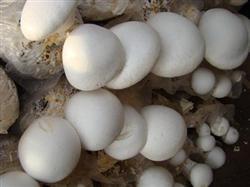
Techniques for Cultivating Bailing Mushroom (Pleurotus nebrodensis) with Corn Stalks
Bailing mushroom, also known as white Ferula mushroom, is a large, fleshy flat mushroom of extremely high quality that originally grew wild in arid grasslands. After artificial cultivation, it is just as rich in protein and amino acids as the wild mushroom, with the highest levels of glutamic acid and arginine. In addition, it also contains abundant vitamin D and various mineral elements, making it a...
-
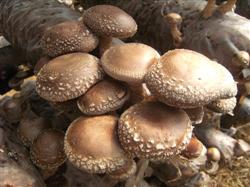
Tobacco stalks can be used to cultivate shiitake mushrooms, did you know?
Using tobacco stalks as a substrate for bag-cultivated shiitake mushrooms produces high yields, good quality, and early fruiting. Tobacco stalks have a loose structure and well-developed vascular bundles, are easy to crush, and the resulting substrate has good aeration. The specific formula is 22.5% tobacco stalks, 1% gypsum, 52% sawdust, 23% bran, and 1% brown sugar. The moisture content of the nutrient substrate is 50%-60%. Other management...
条件筛选