-
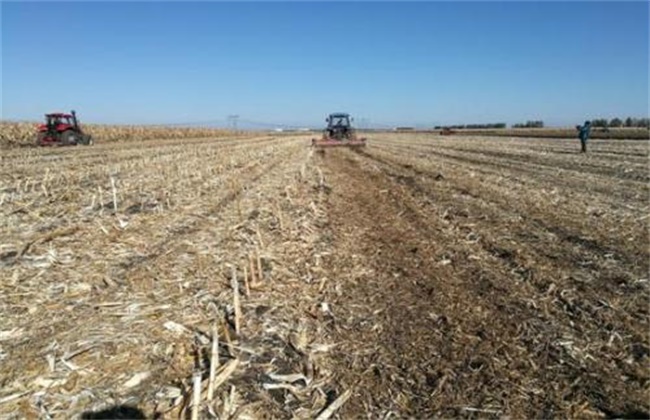
What are the benefits of returning corn stalks to the field?
Benefits of returning corn stalks to the field
-

Causes and Control Methods for Short, Thin, and Hollow Scallion Stalks
During production, various factors can cause the scallion stalk to be short, thin, and hollow, thereby reducing the yield and quality of scallions. I. Causes of short, thin, and hollow scallion stalks 1. Variety type Scallions are divided into two types: long-stalk and short-stalk. The length of the scallion stalk is related to the variety, and long-stalk varieties should be used in production. 2. Soil quality and cultivation conditions The selected plot has heavy clay soil, is plowed shallowly and not finely; during the growing period, intertillage and hilling are not timely, and the soil below the roots becomes compacted; planting is shallow, row spacing is small, base fertilizer is insufficient, and topdressing
-
What are the key technical points for harvesting asparagus while retaining the mother stalks?
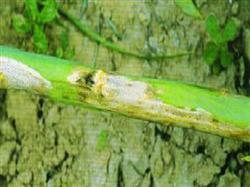
Asparagus stem blight is a devastating disease known as "asparagus cancer." Once stem blight occurs, it causes reduced yields in mild cases and total crop loss in severe cases, bringing huge losses to asparagus growers. Affected by the 2003 SARS outbreak, asparagus prices were low, many growers abandoned management, stem blight outbreaks were relatively severe, and asparagus fields...
-
What to do when celery stalks are thin and long? Teach you effective control methods
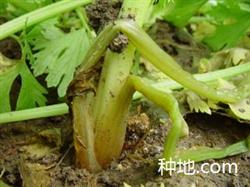
What should you do when celery suffers from soft rot? Celery soft rot, also known as rot disease or putrefaction disease. The optimum temperature for onset is generally 25-30°C, and the affected parts are mainly the base of the leaf stalks or the stems. In the early stage, the lesions appear as water-soaked, light brown sunken spots, then become wet rot, turn black and give off a foul odor, with only the epidermis remaining. Control methods...
-

What are the causes of and solutions for empty stalks in corn
Causes of and solutions for empty stalks in corn
条件筛选